
Why the Maintenance Reserve Deserves More Attention Than Most Owners Give It
Rental repairs rarely arrive on a convenient schedule. A maintenance reserve gives an owner money set aside for upkeep and unexpected problems, so each repair does not require a new scramble for funds. Planning that reserve alongside the mortgage, taxes, insurance, and vacancy costs creates a more realistic property budget.
The purpose of a maintenance reserve is simple: set aside operating funds specifically for the repairs and upkeep that keep a rental property functioning. It is less about predicting every expense and more about building enough financial flexibility to respond quickly when something breaks. In a disciplined budget, the reserve is not optional. It is the buffer that keeps a property stable instead of reactive.
For owners working with property management in St. Louis, the reserve also plays a strategic role. It helps separate routine operations from unexpected repairs, which leads to cleaner accounting and better decision-making. Avenue Residential Leasing & Management approaches this through transparent maintenance coordination and detailed owner reporting, making it easier to see where the money goes and why.
What a Maintenance Reserve Actually Covers
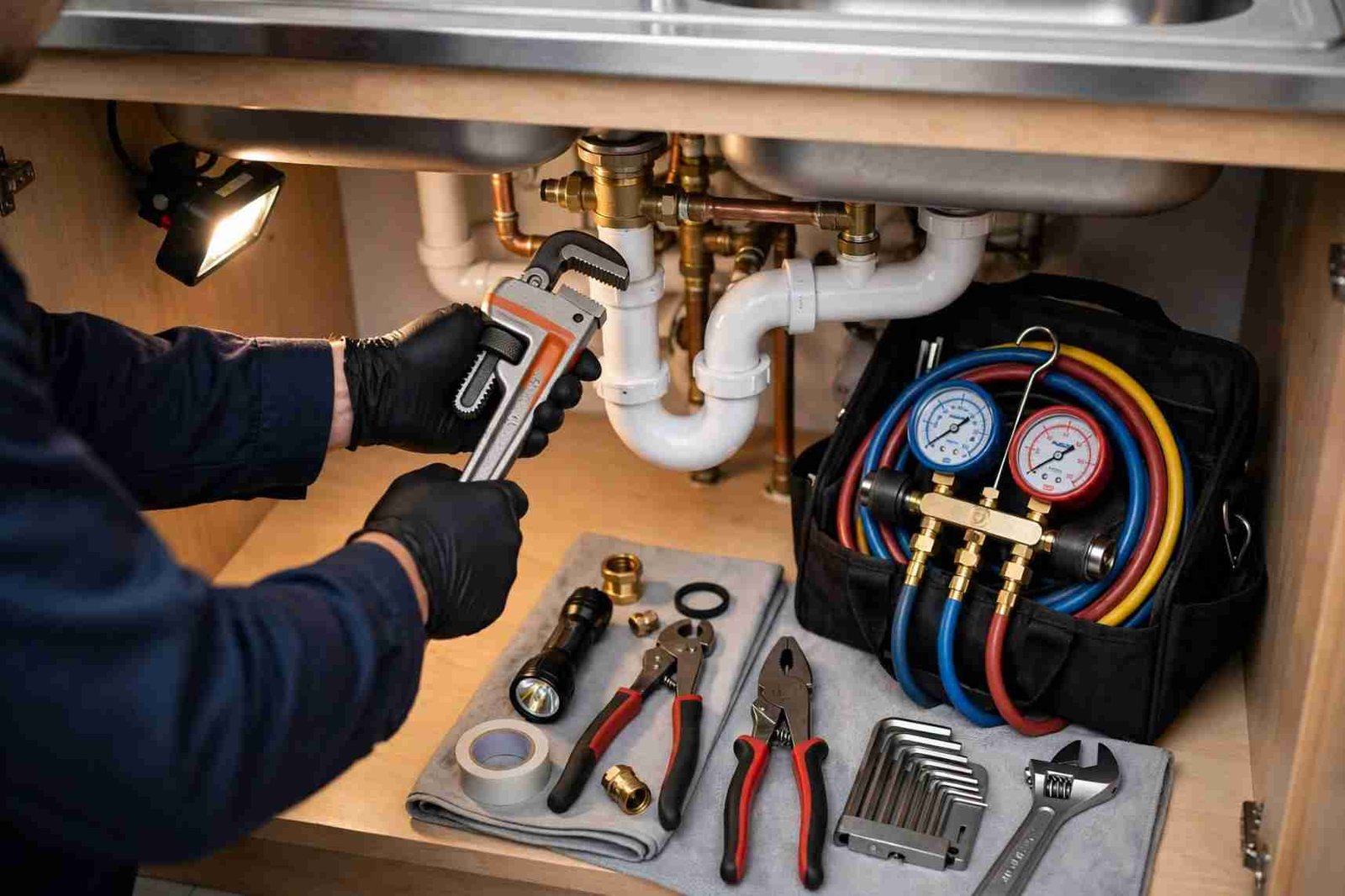
A maintenance reserve is not a catch-all savings account for every possible property cost. It is a working pool of funds intended for anticipated repairs, preventive upkeep, and urgent maintenance that can’t wait for a later budget cycle. The distinction matters because too many owners blur the line between operating cash, capital improvements, and true maintenance needs.
Routine Repairs vs. Capital Events
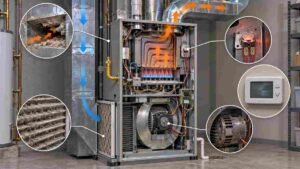
Routine repairs are the recurring issues that come with property ownership. Think HVAC service calls, plumbing leaks, appliance failures, damaged fixtures, caulking, smoke detector replacement, and general wear from tenant use. These are the expenses a reserve should be ready to absorb.
Capital events are different. A full roof replacement, major structural work, or a complete system overhaul may eventually require separate planning. A maintenance reserve should support the property day to day, but it should not be treated as a substitute for long-term capital planning. Strong operators keep those buckets distinct so they do not distort cash flow.
Predictable Does Not Mean Routine
One of the most common budgeting mistakes is assuming that if a problem is predictable, it is therefore harmless. A water heater will not last forever. An HVAC system will require servicing. Caulk, filters, seals, and shutoff valves age whether or not anyone is watching. Predictable maintenance is still real cost.
That is why Avenue Residential Leasing & Management emphasizes prompt coordination and transparent vendor billing. When repair requests are handled quickly through a 24/7 process and documented carefully, owners are not left guessing whether a cost was avoidable, inflated, or simply part of normal property operations.
Why Underfunded Maintenance Creates Bigger Financial Problems
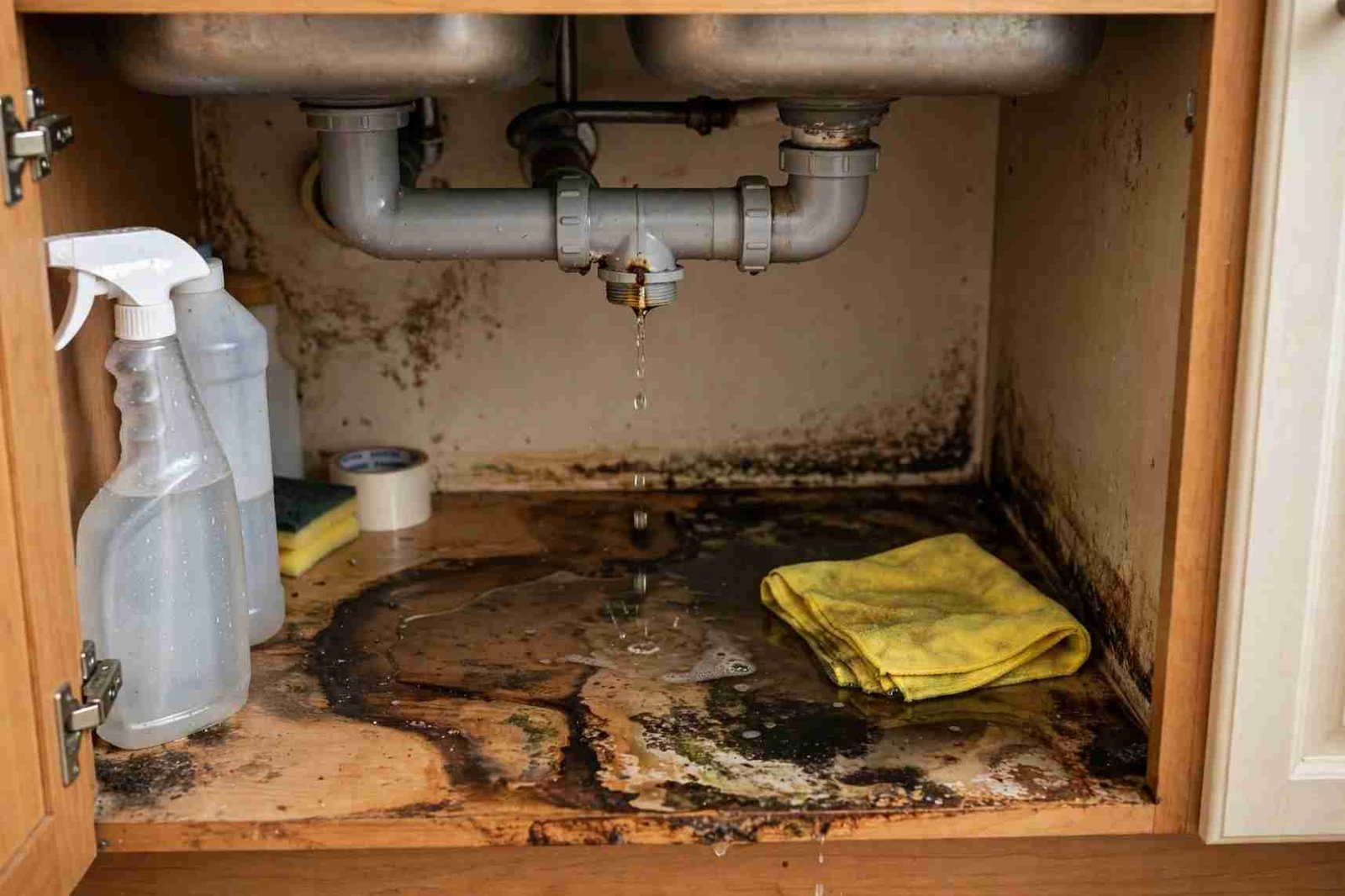
A small reserve problem rarely stays small. If the reserve is too thin, owners tend to delay repairs, approve only the most urgent fixes, or mentally reclassify maintenance as “later.” That can keep cash available in the short term, but it usually raises total cost over time.
A delayed repair often creates a chain reaction. A minor plumbing issue can become water damage. A neglected HVAC issue can shorten system life. A small exterior problem can worsen tenant complaints or trigger a larger repair bill later.
This is particularly important because roofing and siding protect your home from weather exposure and help prevent damage that can lead to more expensive repairs. In rental ownership, neglect is expensive because the property keeps aging whether or not the budget is ready.”
In rental ownership, neglect is expensive because the property keeps aging whether or not the budget is ready.
A small exterior problem, such as trapped moisture in brick and mortar, can lead to progressive material damage and more expensive repairs if left unaddressed.
A strong reserve also supports tenant retention. Tenants notice when maintenance requests are handled quickly and professionally. They also notice when repairs stall. Fast response does not eliminate all turnover, but it does reduce one of the biggest controllable reasons renters leave: frustration with property condition and communication.
For owners using Avenue Residential Leasing & Management, the real advantage is not just speed. It is the combination of speed, vetted local contractors, and clear financial documentation. That means repairs are not only handled, they are also traceable. Owners can review receipts and statements in the Owner Portal rather than sorting through fragmented invoices at tax time.
Building the Reserve Into the Budget Instead of Treating It as Leftover Cash

A reserve should be built intentionally, not funded only if money happens to remain at the end of the month. That approach turns maintenance into a guessing game. Serious rental budgeting works in reverse: maintenance is planned as part of normal ownership, and the reserve is treated as a non-negotiable line item.
A practical budget usually begins with three questions:
- How old are the major systems and components?
- How much tenant turnover does the property typically experience?
- How much disruption would a surprise repair create for monthly cash flow?
Those questions do not produce a perfect number, but they create a more realistic reserve strategy. A newer property with recently updated systems may need less immediate cushion than a property with aging mechanicals.
A high-turnover unit may need more frequent touch-ups than a long-term rental with light wear. Incorporating effective property investment strategies into this planning process can also help owners balance maintenance spending, long-term asset value, and rental income potential.
A high-turnover unit may need more frequent touch-ups than a long-term rental with light wear.
Why Transparency Matters in Reserve Management
A reserve only works if owners can see how it is being used. Hidden markups and vague repair charges make it difficult to tell whether a maintenance budget is truly sufficient or just poorly managed. Avenue Residential Leasing & Management addresses that issue with a zero-markup maintenance structure, meaning vendor invoices are passed through directly rather than padded with percentage surcharges or hidden maintenance fees.
That matters because reserve planning is not just about setting money aside. It is about understanding the actual cost of preserving the asset. When invoices, receipts, and repair documentation are easy to review, owners can make better decisions about future budgeting instead of reacting to incomplete information.
How the Reserve Supports Better Decision-Making
A thoughtful reserve does more than pay for emergencies. It creates discipline. Owners can distinguish between a repair that should be approved immediately and an upgrade that can be deferred, priced out, or scheduled later. That kind of clarity improves cash flow management and keeps the property from being managed by stress.
The benefit becomes especially clear when maintenance is coordinated through a professional system rather than handled ad hoc. Avenue Residential Leasing & Management’s approach gives owners one place to review spending, vendor work, and distribution tracking. That reduces administrative noise and keeps attention on the real question: what does the property need to stay healthy?
What Strong Operators Do Differently With Maintenance Planning
Good budget management is not about spending less at all costs. It is about spending earlier, smarter, and with better visibility. Strong operators accept that a rental property is a functioning asset, not a static investment. Assets require maintenance, and maintenance is easiest to control when the process is structured.
A disciplined operator usually does three things well:
- Plans for regular upkeep before something fails.
- Responds quickly to urgent issues before they spread.
- Tracks the true cost of maintenance over time, not just the invoice total.
This is where Avenue Residential Leasing & Management stands out in practice. With more than 22 years of local experience and more than 800 managed properties across the St. Louis metropolitan area, the company brings enough regional context to recognize what types of issues are common, what repairs need urgency, and where owners tend to underestimate risk.
That local experience matters because maintenance is not purely financial. It is operational. Weather patterns, property age, neighborhood housing stock, and tenant expectations all influence what the reserve needs to support. A reserve that looks fine on paper can still be weak if it does not reflect the actual property environment.
The Real Goal: Protecting Cash Flow Without Starving the Property
The best maintenance reserve is not the biggest one possible. It is the one that is consistently funded, realistically used, and easy to monitor. Owners should be able to cover ordinary repairs without panic, keep urgent issues from escalating, and avoid turning every maintenance call into a cash flow crisis.
That is the larger lesson behind good rental budgeting. A maintenance reserve is not money sitting idle. It is part of the operating system that keeps the property intact, the tenants satisfied, and the owner’s financial picture clear. When it is managed well, maintenance stops feeling like a surprise and starts functioning like a controlled part of ownership.
For owners who want a more transparent and operationally disciplined approach, Avenue Residential Leasing & Management provides a useful model: direct vendor billing, 24/7 maintenance coordination, and reporting that makes the reserve easier to understand in real terms. If you are building a stronger rental budget, that level of clarity is worth prioritizing.