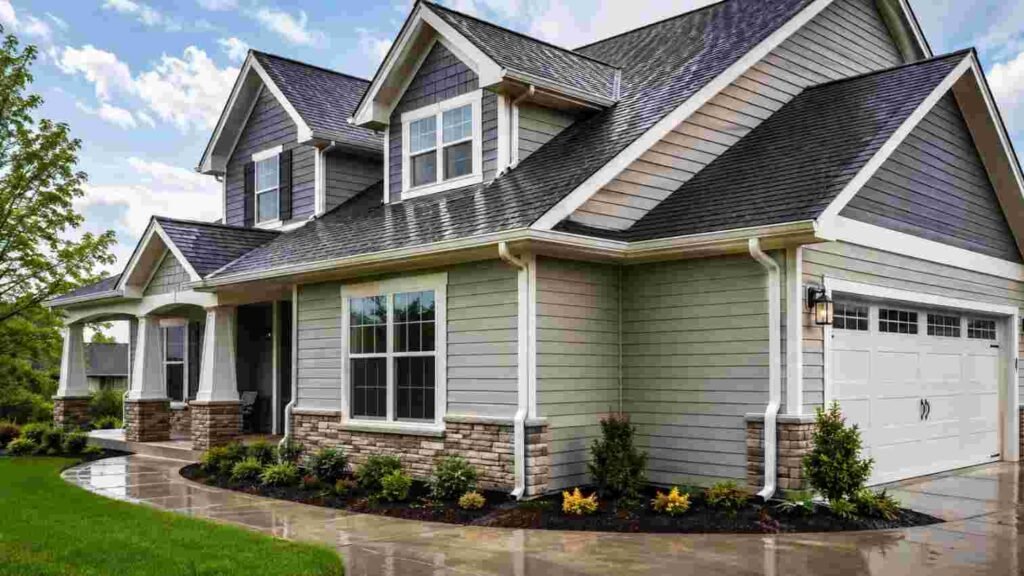
A home’s first line of defense is rarely one product. It is a system. Roofs, siding, flashing, gutters, and insulation all work together as part of the building envelope, and when one part is weak, the others have to absorb the pressure. That is why homeowners looking for a roofing and siding contractor in Utah often get better long-term results when they think beyond isolated repairs and focus on how the entire exterior performs.
R1 Roofing & Exteriors approaches exterior protection from a systems perspective. Instead of treating roofing and siding as unrelated jobs, the company helps property owners understand how each component affects moisture control, energy efficiency, and structural durability. That matters in a place like Utah, where snow, wind, sun, and seasonal swings can expose small weaknesses fast.
Why the Roof and Siding Should Be Treated as One Protection System
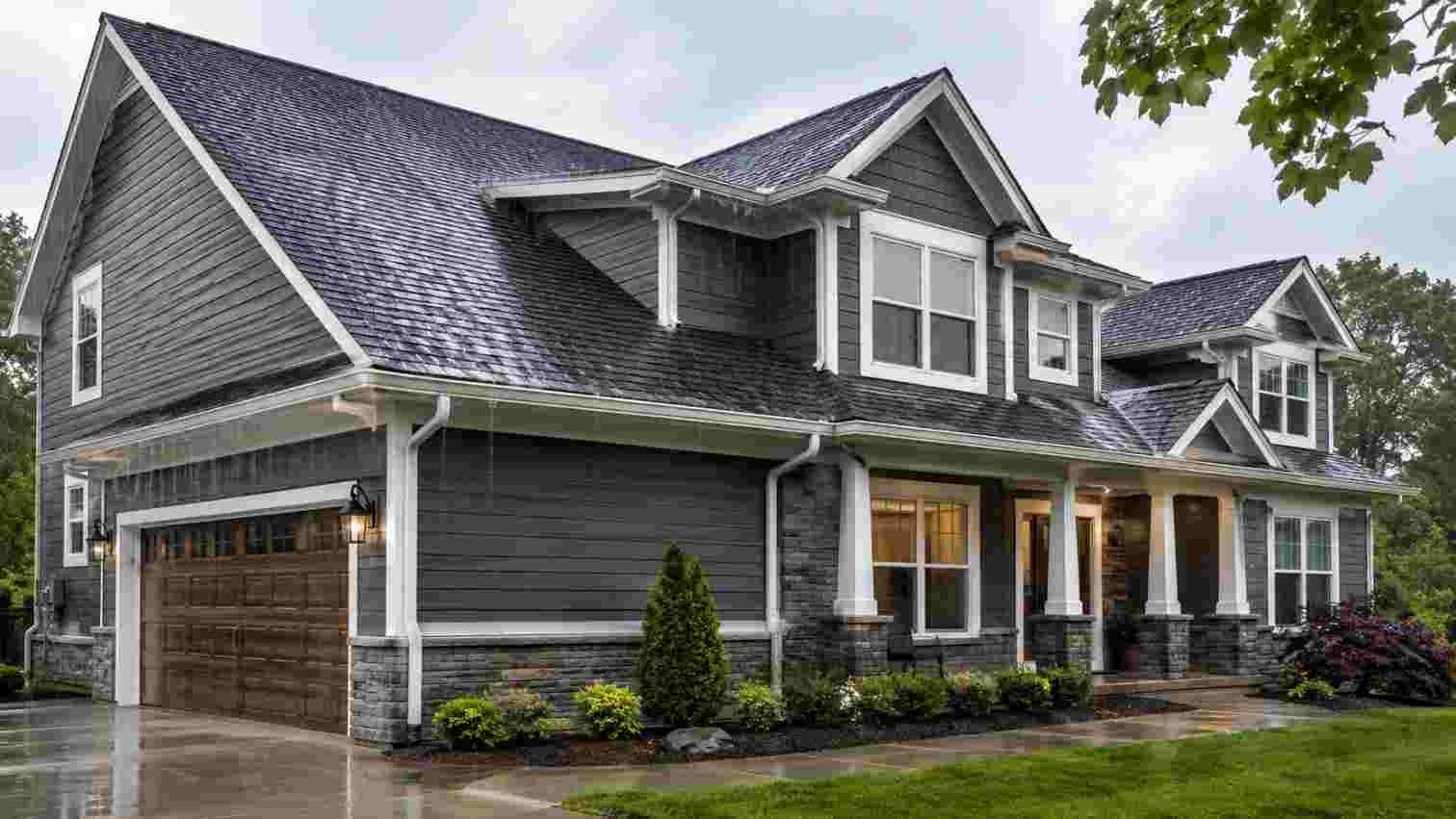
People often think of the roof as the top shield and siding as the wall covering. That is true, but incomplete. The real job of both is to control water, air movement, and temperature at the same time. If the roof sheds water well but siding allows moisture behind the wall, the home still has a vulnerability. If siding is durable but the roof edges, valleys, or flashing fail, water can still travel into the structure.
This is why experienced exterior contractors pay attention to the transitions between roof and wall, not just the material on each surface. The most common failures happen where systems meet: roof-to-wall intersections, chimneys, dormers, window trim, and edge flashing. Those are the spots that determine whether the exterior functions as a weather-tested system or just a collection of individual products.
A strong roof-siding strategy can help reduce:
- Water intrusion at vulnerable joints
- Heat loss and drafts through gaps in the envelope
- Premature rot in sheathing and framing
- Repair costs from repeated patchwork fixes
- Visible wear that reduces curb appeal and resale confidence
The point is not that every home needs a full exterior overhaul. The point is that roofing and siding should be evaluated together whenever the home shows signs of age, storm damage, or repeated leaks.
Where Damage Usually Starts: The Hidden Failures Between Surfaces
The most expensive exterior problems usually begin where damage is not visible. A roof leak might show up as a ceiling stain, but the source may be a compromised roof edge, deteriorated flashing, or moisture slipping behind siding and tracking along framing. By the time interior damage appears, the problem has often been developing for a while.
Water Does Not Respect Boundaries
Water follows the path of least resistance. That means one weak point in a roof edge or siding seam can affect the entire wall assembly. In homes with aging materials, the issue is not always dramatic storm damage. Sometimes it is gradual exposure: sealant drying out, fasteners loosening, siding warping, or underlayment wearing down.
That is why a contractor should look at the structure as a connected system. R1 Roofing & Exteriors emphasizes coordinated exterior evaluation because it helps identify whether the problem is isolated or part of a broader moisture issue. In practical terms, that means a repair can be more accurate, more durable, and less likely to repeat.
Climate Stress Makes Small Problems Bigger
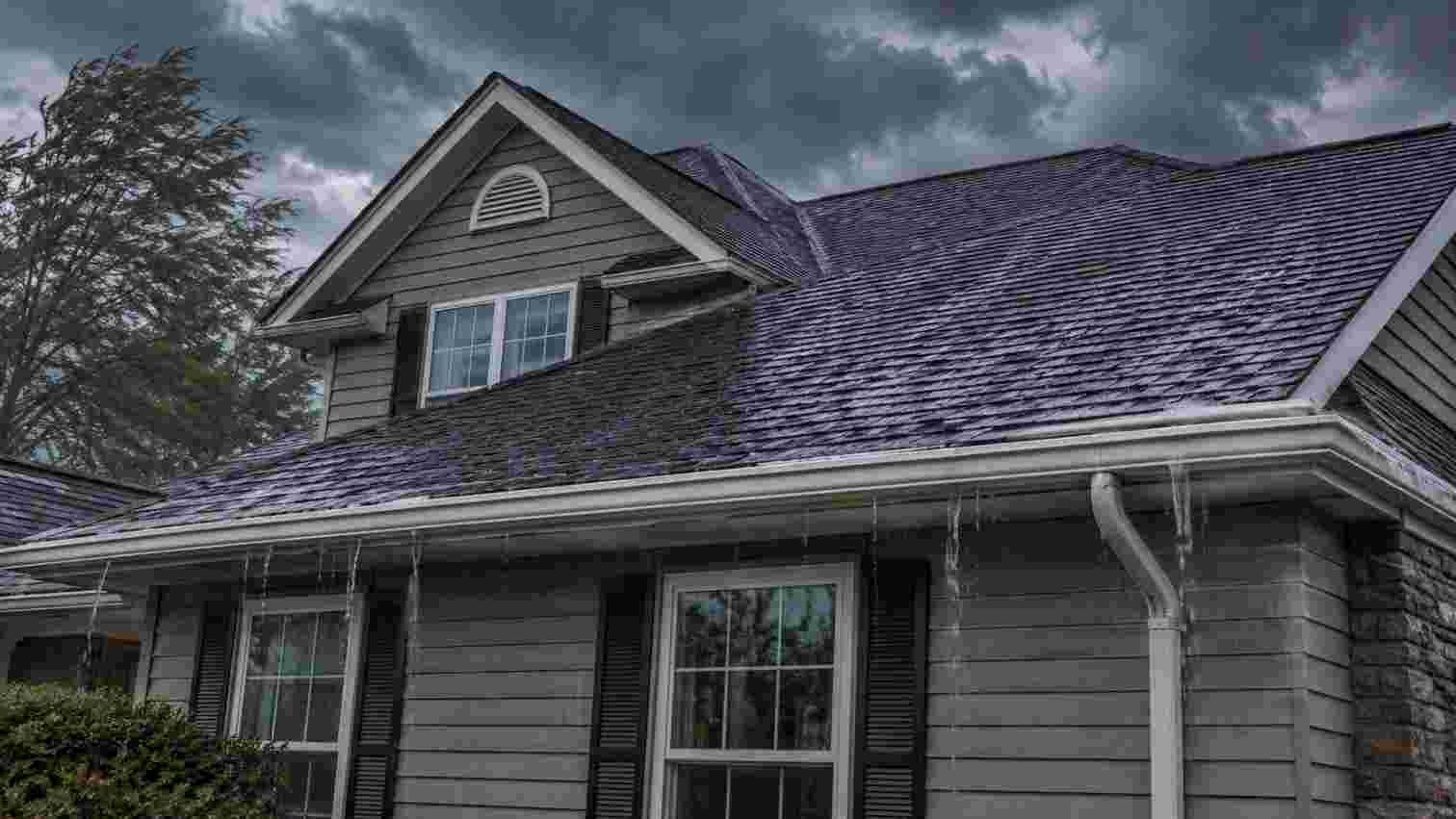
Utah and Northern Arizona weather can magnify weak points quickly. Snow loads, freeze-thaw cycles, high summer heat, and wind all test materials in different ways. Roofing and siding that look acceptable from the street may already be underperforming at seams, edges, or penetrations. If those weaknesses are ignored, they can turn into hidden moisture intrusion or insulation damage.
This is one reason property owners benefit from a contractor who understands both roofing and siding installation. The right fix is not just about replacing what is broken. It is about building a better exterior response to the climate the home actually faces.
What Exterior Contractors Look For During an Integrated Assessment
A surface-level inspection can miss the most important clues. A strong contractor studies the whole envelope, looking for signs that the roof and siding are influencing each other. R1 Roofing & Exteriors is positioned well for this kind of work because it handles roofing, siding, gutters, windows, and exterior restoration under one roof, which makes the inspection process more cohesive.
Good assessments usually focus on these questions:
- Is water being directed away from the structure correctly?
- Are roof transitions sealed and flashed properly?
- Is siding allowing moisture, air, or heat to enter behind the wall?
- Are there signs of swelling, soft spots, or staining at the edges?
- Do the roof and siding materials look mismatched in age or performance?
- Is the current assembly supporting energy efficiency, or working against it?
These are not cosmetic questions. They are performance questions. A home can look fine and still be losing durability, comfort, and efficiency through small exterior failures.
When Roofing-Only Repairs Make Sense
Not every project needs both systems addressed at once. If the roof has a localized issue and the siding is in sound condition, a focused roof repair may be the right move. The same is true for siding. A damaged wall section does not automatically mean the entire roof needs replacement.
The key is coordination. A roofing repair should not create a siding problem, and a siding project should not leave the roof-to-wall transition weaker than before. This is where a knowledgeable roofing and siding contractor in Utah can provide real value: not by upselling, but by sequencing work correctly so one repair does not undermine another.
Why Coordinated Roofing and Siding Decisions Improve Performance and Value
When roofing and siding are chosen or replaced with each other in mind, the home gains more than protection. It gains consistency. Materials can work together to control water, improve insulation continuity, and create a cleaner exterior finish. That consistency matters for both comfort and resale value.
A coordinated approach also improves the economics of exterior ownership. Homeowners often pay more over time when projects are handled in fragments without a long-term plan. A patch today may lead to a second repair next season, then another contractor visit after the next storm. A smarter plan helps reduce those repeat disruptions.
There is also a design advantage. Roofing color, siding texture, trim, and wall lines influence how polished a property feels. Homes with cohesive exteriors tend to present better and signal better maintenance, which can matter when buyers or appraisers evaluate the property.
That same focus on exterior upkeep can extend to the surrounding property, where building a healthier yard can further improve curb appeal, drainage, and the overall appearance of a well-maintained home.
For homeowners considering a larger exterior project, it is useful to work with a contractor who can explain materials, labor, and warranties clearly.
R1 Roofing & Exteriors offers free detailed project estimates that include those details, which helps owners make decisions with fewer surprises. Their GAF Certified status also means some installed products come with available warranties up to 50 years, adding another layer of confidence when planning for the long term.
What Utah Homeowners Should Expect From a Better Exterior Plan
In Utah, exterior work should be built around durability, not just appearance. That means choosing systems that fit the home’s exposure, age, and maintenance needs. It also means thinking in terms of sequencing. Sometimes roofing comes first. Sometimes siding does. Sometimes a phased plan is the smartest route, especially if one side of the home has sustained more damage than the rest.
Exterior upgrades can also support broader efficiency goals, especially when homeowners combine weather-resistant improvements with smart home energy-saving strategies that reduce unnecessary energy use throughout the property.
R1 Roofing & Exteriors stands out because it is fully licensed and insured in Utah and Arizona, and it brings regional experience to projects that need weather-tested systems rather than generic products. That matters when the goal is not just to “fix” a home, but to protect it for years.
Homeowners should expect a contractor to explain:
- What problem is actually being solved
- Whether the roof, siding, or both are driving the issue
- How the repair affects the building envelope
- What warranty coverage applies
- Whether the project can be phased without increasing risk
That level of clarity is what separates a quick transaction from a sound exterior strategy. It also makes it easier to compare bids fairly, because the real question is not who is cheapest. It is who understands how the pieces of the exterior fit together.
The Long-Term Payoff Is a Stronger, More Resilient Home
The real value of roofing and siding is not just that they cover the house. It is that they protect the structure beneath the finish. When they are designed, repaired, or replaced with coordination, the home is better prepared for moisture, heat, wind, and seasonal stress. That translates into fewer surprises, better efficiency, and more reliable performance over time.
R1 Roofing & Exteriors treats exterior work as a system, which is the right mindset for homeowners who want lasting results rather than temporary fixes. Whether the job is a targeted repair or a broader restoration plan, the goal should always be the same: keep the building envelope strong, keep moisture out, and keep the home working as it should.