
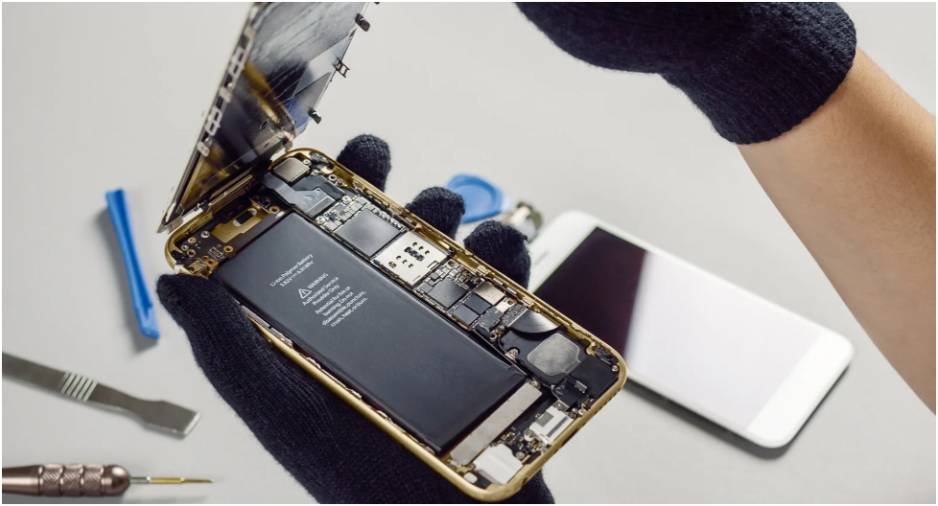
A cracked screen. A battery that barely lasts until lunchtime. A charging port that only works at a very specific angle while being held in a way that no human should have to hold a phone. These are the moments most people take as a sign — time for a new device.
And most of the time, that conclusion is premature.
The repair industry has matured significantly in recent years. Parts are more accessible, tools have become more affordable, and the wealth of information available to anyone willing to look has made a surprising range of fixes genuinely achievable — either at home or through a local specialist at a fraction of replacement cost.
The starting point for most people is finding reliable phone repair guides that break down the process clearly, honestly, and without assuming everyone holding a screwdriver is already an engineer.
The Repairs More People Are Doing Than You’d Expect
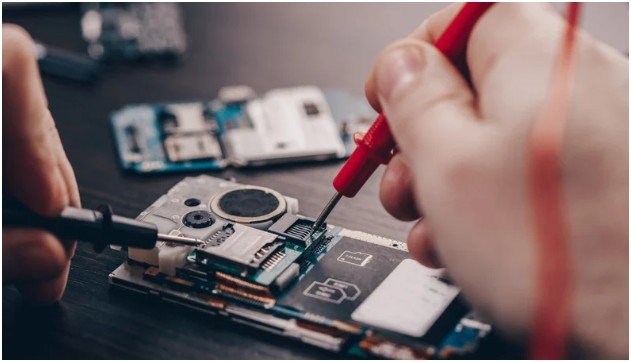
Replacement of the battery comes first on this list. Batteries of most of the smartphones start losing their performance ability after two or three years of active usage. The phone itself is often perfectly functional — the battery is simply exhausted due to excessive use while power surge issues at home. Replacing it typically costs a fraction of a new device and restores performance that many users assumed was gone permanently.
Screen replacement is more involved but equally common. Cracked glass doesn’t always mean a dead display — and even when the display itself is damaged, replacement screens for popular models are widely available. With the right guide, the right tools, and a steady hand, it’s a repair many complete successfully at home.
Other commonly addressed issues include:
- Charging port replacement — Loose or failing ports are fixable; they don’t require a new phone
- Speaker and microphone faults — Often caused by debris or a failed component, both are repairable
- Camera lens replacement — Scratched or cracked camera glass is a cosmetic fix that significantly improves photo quality
- Button and switch repair — Power buttons and volume controls can be replaced without specialist equipment on many models
What Good Repair Guidance Actually Looks Like
Not all repair content online is created equal. Some guides are vague, outdated, or built around tools and parts that are no longer available for specific models. Finding model-specific guidance, clearly written and includes realistic warnings about where things can go wrong makes a significant difference to outcomes.
The best phone repair guides share a few consistent qualities:
- Step-by-step photography or video — Written instructions alone miss things that visuals catch immediately
- Parts and tools listed upfront — No surprises halfway through a disassembly
- Honest difficulty ratings — A guide that calls everything “easy” isn’t a trustworthy guide
- Common mistake warnings — Knowing where people go wrong is as useful as knowing what to do right
- Model-specific detail — Generic guidance rarely accounts for the design differences between manufacturers and generations
When DIY Is Right and When It Isn’t
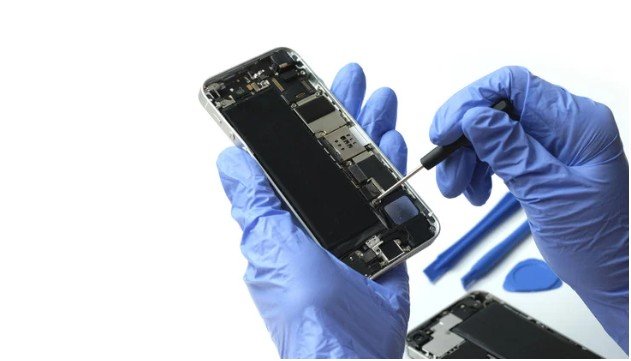
The value of repair information lies in its honesty regarding limitations. There are some cases when even repair that requires skills and proper tools with electrical safety is available to those who just have patience and knowledge.
Others involve components — motherboards, Face ID hardware, certain display assemblies — where the risk of causing further damage is real, and the specialist tools required aren’t practical for a one-off fix.
A reliable guide helps users make that call before they’re midway through a disassembly with twelve tiny screws on the table.
The basic rule: if the problem concerns a replaceable part that doesn’t require working with the main logic circuit, it’s worth thinking of it as an option. In case of software problems, professional diagnostics solves this issue much quicker than it seems at first glance. And only when it comes to damaging the main elements, it makes sense to ask specialists for help.
The Financial Case Is Straightforward
Repairing a phone rather than replacing it saves money in almost every scenario where repair is viable. Even professional repair through a specialist typically costs significantly less than a new handset — and considerably less than a new contract over two years.
The environmental argument reinforces the financial one. Every repaired device is one fewer phone manufactured, shipped, and eventually disposed of.
It’s important to say that the information required for repair is more available than it may seem.