Effective management of underground water plays a critical role in maintaining sustainable water resources and preventing environmental degradation. One proven solution in this area is the use of infiltration tank systems.
These structures allow for the efficient collection, storage, and infiltration of excess surface water, particularly stormwater, into the surrounding soil. Their implementation lends significant benefits to both urban and rural water management strategies.
Understanding Infiltration Tanks
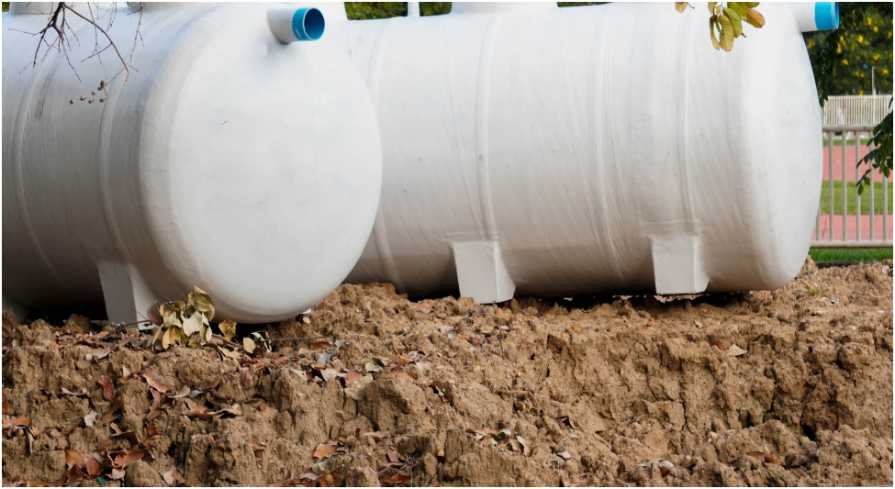
An infiltration tank is an underground structure designed to temporarily store water, typically stormwater runoff, and allow it to gradually seep into the ground through permeable surfaces.
Unlike traditional retention ponds or large surface basins, these tanks are buried and utilise natural infiltration processes to reduce surface water runoff volume and peak flow rates.
Infiltration tanks are commonly constructed from durable materials such as concrete or high-density polyethylene and are installed beneath car parks, gardens, and open spaces. Their discreet nature means they do not occupy valuable surface land and can be integrated effectively into existing urban infrastructure.
Primary Uses of Infiltration Tanks
The central function of an infiltration tank is stormwater management. Urban environments often experience increased runoff due to impermeable surfaces like roads and buildings. This excess water can overwhelm drainage systems, cause flooding, and carry pollutants into waterways.
By collecting and gradually infiltrating stormwater, infiltration tanks mitigate the risk of flooding and reduce pollutant loads. They are particularly beneficial in areas prone to heavy rainfall events or where traditional drainage is insufficient. Additionally, infiltration tanks support groundwater recharge, maintaining aquifer levels and contributing to long-term water supply sustainability.
Flood Risk Reduction
Flooding is a pressing concern in many developed areas, largely due to increased surface runoff. Infiltration tanks serve as vital flood mitigation tools by temporarily storing water and releasing it slowly into the ground. This controlled release reduces pressure on municipal drainage systems and limits flash flooding incidents.
Water Quality Improvement
Surface runoff often contains suspended solids, oils, nutrients, and other pollutants. As water passes through the soil following infiltration, many contaminants are naturally filtered out. This process results in cleaner water reaching groundwater reserves and nearby water bodies, contributing positively to environmental conservation efforts.
Advantages of Using Infiltration Tanks
There are numerous benefits associated with the deployment of infiltration tanks in water management schemes. These advantages extend beyond their primary function to offer ecological, economic, and planning benefits.
Space Efficiency
The underground placement of infiltration tanks preserves surface land for other uses. In urban settings where space is at a premium, avoiding large surface basins can be a significant advantage. This flexibility makes infiltration tanks preferable for developers and planners seeking efficient land use.
Cost-Effectiveness
Compared to extensive drainage upgrades or constructing large retention basins, infiltration tanks can offer a more cost-effective solution. Their installation requires less disruption to existing infrastructure and can reduce long-term maintenance expenses associated with surface water management facilities.
Enhancement of Groundwater Resources
By promoting infiltration, these tanks assist in replenishing groundwater aquifers. This benefit is critical in regions where groundwater extraction is significant, and recharge rates are declining. Improved groundwater recharge sustains water availability for various uses, including agriculture, industry, and domestic consumption.
Compliance with Regulatory Requirements
Environmental regulations increasingly require sustainable stormwater management solutions that align with green infrastructure principles, such as reducing plastic use daily. Installing infiltration tanks can facilitate compliance with these standards, thereby aiding permitting processes and reducing regulatory risks for development projects and property investment strategies for success.
Applications Across Different Environments
Infiltration tanks have diverse applications tailored to specific environmental contexts. Their adaptability makes them suitable for urban, suburban, and rural installations alike.
Urban Environments
Within cities, infiltration tanks often integrate with existing infrastructure such as parking lots, parks, and residential gardens. Their presence helps manage runoff from impervious surfaces like rooftops and pavements, reducing stress on combined sewer systems and lowering urban flood risk.
Suburban and Rural Settings
In less densely populated areas, infiltration tanks can complement natural drainage patterns. They may be incorporated into large property developments or public spaces where runoff control and groundwater recharge are priorities. This approach supports landscape conservation and ensures water cycle balance.
Design and Maintenance Considerations
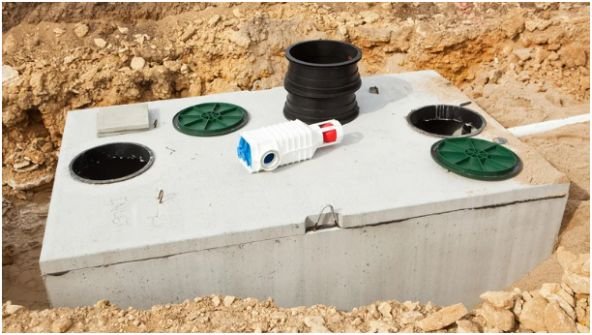
Successful infiltration tank implementation depends on careful design tailored to site-specific conditions. Factors such as soil permeability, groundwater levels, precipitation patterns, and load requirements must be analysed before installation.
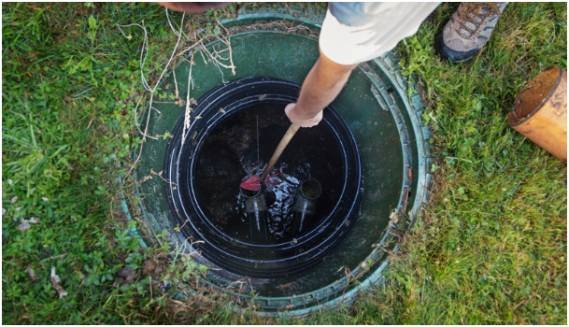
Regular maintenance is essential to preserve infiltration efficiency. Sediment and debris accumulation can block tank outlets or infiltration surfaces, reducing performance. Routine inspection, cleaning, and sometimes repair are necessary components of an effective infiltration tank management programme.
Site Assessment and Soil Testing
Proper site assessment, including soil testing, is crucial in determining suitability for infiltration tanks. Soils with high permeability such as sandy or gravelly types are ideal, while impermeable or high-clay soils may require alternative solutions or additional design modifications.
Integration with Other Water Management Systems
Infiltration tanks can be combined with other stormwater control measures, such as permeable pavements, rain gardens, and swales, to create comprehensive, sustainable drainage systems. This multi-faceted approach maximises stormwater management effectiveness and environmental benefits.
Environmental and Sustainability Impact
Infiltration tanks contribute positively to broader environmental objectives by reducing stormwater runoff and pollution, enhancing groundwater recharge, and supporting ecosystem health. They are aligned with sustainable urban drainage system (SUDS) principles that emphasise mimicking natural hydrological processes.
By alleviating pressure on downstream watercourses, infiltration tanks help maintain aquatic habitats and biodiversity. They also reduce soil erosion risks associated with uncontrolled runoff, protecting surrounding landscapes.
Conclusion
Infiltration tanks present an effective solution for underground water management that offers numerous benefits including flood risk reduction, water quality improvement, and groundwater recharge. Their discreet installation, cost-effectiveness, and environmental advantages make them increasingly essential components in contemporary stormwater strategies.
Proper design, site assessment, and maintenance ensure that infiltration tanks perform optimally to support sustainable water management objectives.
For organisations and developers seeking reliable and efficient water management systems, considering an infiltration tank is a practical and forward-thinking approach to managing stormwater and protecting valuable water resources.