
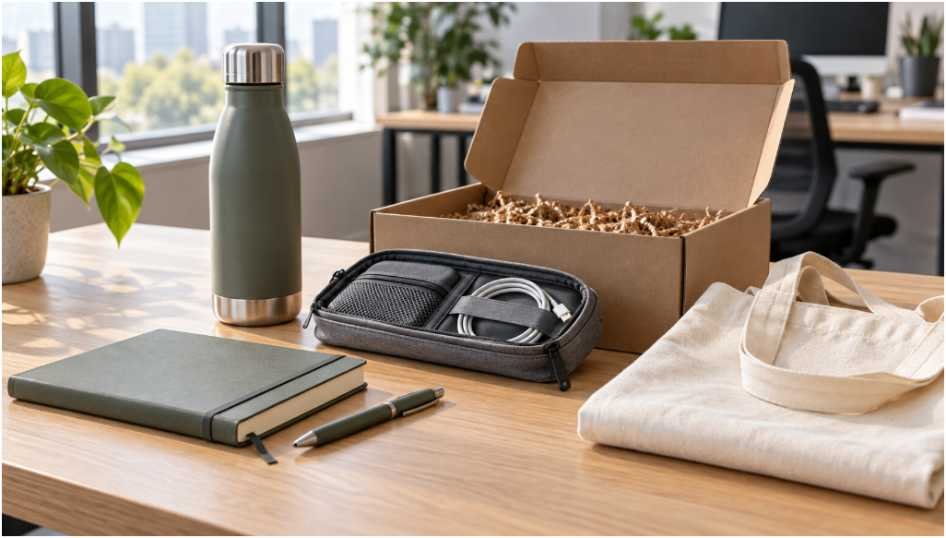
A company gift is more likely to be appreciated when it suits the recipient’s actual routines. A distinctive design can attract attention, but usefulness often determines whether the item stays on a desk, goes into a bag, or disappears into storage. Start with the audience rather than the logo.
Consider where recipients work, how they travel, and whether the gift is intended for individual use or a shared setting. A bulky item may be inconvenient for someone flying home from an event. A food gift may require attention to dietary needs and delivery conditions.
Choose a purpose before choosing the product

Define what the gift is meant to communicate: appreciation, a welcome, or recognition of a milestone. That purpose can guide the budget and presentation. Branding should fit the item without making it uncomfortable to use in everyday settings.
When looking at customized company gifts, compare practical details such as durability, packaging, storage, and distribution. Ask whether customization affects care requirements or reorder consistency. A sample can help you assess whether the gift feels appropriate at the intended price point. Plan how recipients will receive it and what brief message will accompany it. A useful, thoughtfully selected item generally needs less explanation than an elaborate gift that does not fit the people receiving it.
Consider how the gift will reach the recipient. An item handed out at a local event has different packaging needs from one mailed to several addresses. Confirm whether assembly, individual labeling, or separate deliveries are included. These practical tasks can affect both the budget and the amount of staff time required—streamlining logistics upfront is an easy way to simplify your life with small daily changes.
Ask a small group of people similar to the intended audience what they would use, rather than relying only on the organizer’s taste. Their feedback may reveal inconvenient size, unwanted personalization, or a care requirement that was easy to overlook. A thoughtful choice balances appearance with the recipient’s ability to carry, store, and use the item comfortably.
Start with the person using the item

Describe where the item will be used, who will handle it, and what it needs to accomplish. A choice that looks appealing in a product photograph may be uncomfortable, difficult to read, or inconvenient in daily use. Function should guide the design before decorative details are finalized.
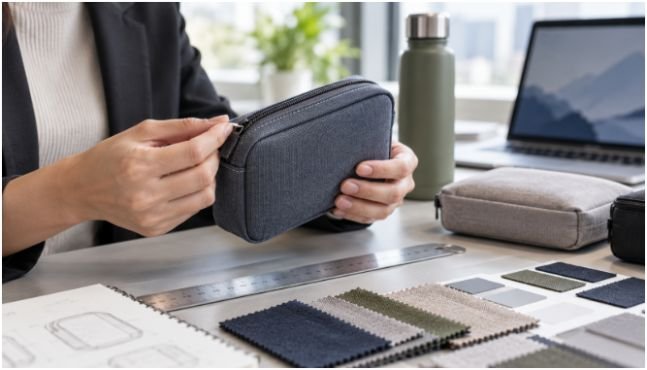
When possible, examine a sample or an existing item in a similar setting. Notice size, weight, finish, and ease of cleaning or storage. If several people will use the product, collect feedback from more than one person. Small differences in preferences can become important when an order is large or difficult to change.
Approve details before production
Ask which specifications need final approval and which are only illustrative. A digital preview may not reproduce color, texture, or scale exactly. Confirm dimensions, materials, quantities, and any customization in writing. Check spelling against an authoritative list instead of relying on memory.
Discuss the production and delivery schedule before choosing a date for distribution or installation. Allow time to review the proof and resolve questions. Ask how errors, damaged items, or missing quantities are handled. Written approval protects the buyer and supplier by giving both parties the same reference for the finished order.
A useful ordering checklist
- Confirm the intended use and required dimensions.
- Review every name, logo, number, and special instruction.
- Ask what the sample or proof accurately represents.
- Check quantities, delivery arrangements, and total cost.
- Keep the approved specifications with the order confirmation.
Consider what happens after delivery
Think about storage, cleaning, replacement, and future reorders while the specifications are still easy to change. A product that requires unusual care may not suit a busy workplace, someone working while traveling, or a one-time event. If continuity matters, ask whether the supplier can retain the approved design and what may vary between orders.
When the order arrives, inspect a representative selection before distributing everything. Compare the delivered items with the approved proof and record any issues promptly. For products used by a group, give people simple handling or care instructions. Good ordering decisions make the item easier to use and reduce the work required to manage it afterward.
For a repeat purchase, note what worked and what caused problems with the previous version. Specific feedback such as difficult fastening, unclear lettering, or awkward storage gives the supplier something concrete to address. Keep one approved sample when consistency matters. It can be useful during future reorders, especially if the person placing the next order was not involved originally. A clear record is often more dependable than trying to match an item from a photograph months later.
Discuss your audience, budget, and delivery needs with Elevate Promo to explore suitable company gift options.