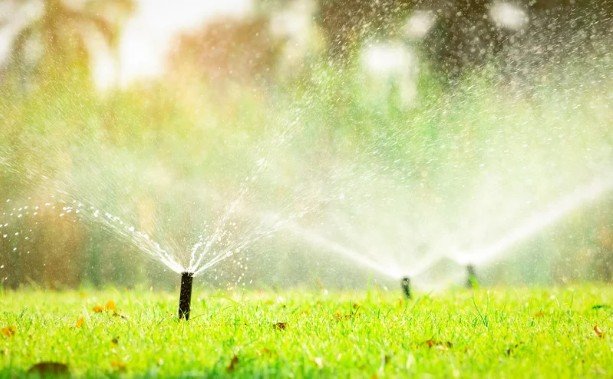
Before choosing sprinkler heads or dividing a landscape into zones, find out how much water the property can supply. Pressure and flow affect what the system can run at once. Measuring them early helps the designer plan around the site’s actual limits.
For Colorado Outdoor Environments, the first question is not “What system do we want?” It is “What can this site actually support?” Water pressure and flow testing answer that question with enough precision to shape the entire design. Without that baseline, even a well-drawn plan can underperform, waste water, or fail to cover the landscape evenly.
This is what separates a system that looks complete on paper from one that works reliably in the field. It also explains why landscape irrigation design in Aspen should never be treated as a generic layout exercise. The water supply determines the design capacity, and design capacity determines everything that follows.
The Water Supply Is the Real Starting Point
Many irrigation problems are not caused by the wrong controller or poor installation. They begin much earlier, when the system is designed around assumptions instead of measured conditions. Pressure and flow testing replace guesswork with usable data.
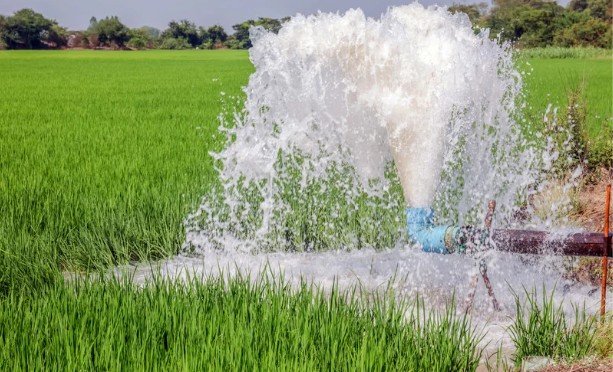
Water pressure tells you the force available to move water through the system. Flow tells you how much water is available at once. Those two measurements are related, but they are not the same. A site may have acceptable pressure and still lack enough volume to run multiple zones efficiently. Another site may have enough flow but not enough pressure to maintain consistent performance across the landscape.
That distinction matters because irrigation components do not perform in isolation. Sprinkler heads, valves, pipe sizes, and drip control kits all need to match the actual supply conditions at the point of connection. Colorado Outdoor Environments uses testing to determine what the system can truly support before anything is specified.
Why Assumptions Create Problems Later
A design built on assumptions often leads to one of three outcomes.
- The system is oversized for the water supply and struggles to perform as intended.
- The system is undersized in key areas and requires too many compromises.
- The landscape is watered unevenly, which can lead to stressed plants and wasted water.
These problems are not always obvious at first. They often show up after installation, when certain zones fail to reach coverage, runtime increases, or the system needs frequent adjustments. By then, the fix is usually more expensive than doing the testing correctly from the start.
Colorado Outdoor Environments approaches irrigation as a hydraulic system, not just a layout of equipment. That perspective is especially important in Colorado, where terrain, elevation, and site conditions can create wide differences in water delivery from one property to another.
Design Capacity Should Be Verified, Not Estimated
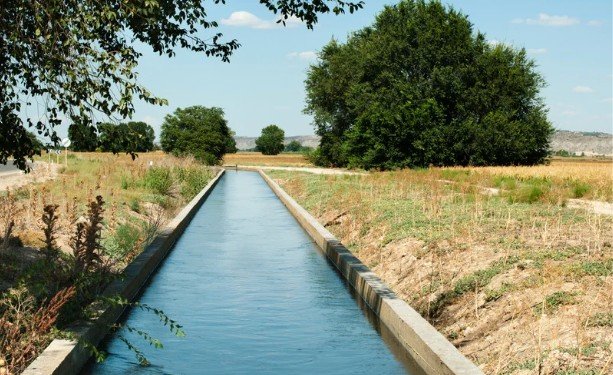
Design capacity is the practical limit of what the system can handle. It is not a theoretical number and it should not be guessed from the size of the property or the type of landscape alone. It has to be verified through pressure and volume testing at the point of connection.
Once that capacity is known, the rest of the design becomes more disciplined. The team can decide how many zones are realistic, what kind of heads belong in each zone, whether a drip zone should be separated from spray irrigation, and how to balance performance with conservation. That is a more reliable process than trying to make the site fit a preselected product list.
Colorado Outdoor Environments uses this data to size the system around actual conditions rather than wishful thinking. That results in a design that is more likely to comply with local requirements, distribute water more evenly, and operate with fewer surprises after installation.
What the Testing Actually Informs
Pressure and flow testing influence several key decisions:
- Sprinkler head selection and spacing
- Pipe sizing for mainlines and laterals
- Valve grouping and zone layout
- Drip control kit design
- Controller programming assumptions
- The feasibility of separate high- and low-demand areas
These are not minor technical details. They determine whether the irrigation system works as a coordinated whole. If one part is misaligned with the water supply, the entire plan can become less efficient.
A good design is not just about making water reach the plants. It is about delivering the right amount of water in the right way, without forcing the system to operate beyond what the supply can reasonably provide.
Better Testing Leads to Better Water Use, Not Just Better Coverage
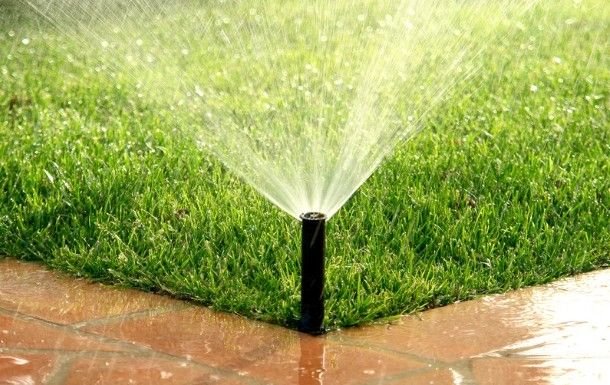
One of the most important benefits of proper testing is that it helps prevent overwatering. When a system is designed without a clear understanding of pressure and flow, the common response is to add runtime and hope the landscape eventually gets enough water. That approach may keep plants alive, but it is not a sound strategy.
A verified irrigation plan creates room for efficiency. It allows the designer to match each zone to its true hydraulic capacity so the system can deliver water consistently without relying on excess runtime as a backup plan. That matters for landscape health, but it also matters for operating cost and long-term sustainability.
Colorado Outdoor Environments places a strong emphasis on systems that are tailored to the site rather than forced into a one-size-fits-all structure. That is especially important in areas where water conservation and reliable landscape performance need to work together rather than compete.
Why Smart Controls Work Best on a Sound Hydraulic Base
Smart irrigation controllers can improve scheduling and responsiveness, but they are not a substitute for proper design. A smart controller cannot correct a system that was built on the wrong assumptions about supply capacity. It can only manage what the hardware can already do.
That is why testing comes first. Once the irrigation system is properly designed, smart technology can do its job more effectively. It can help reduce waste, adapt to changing conditions, and support a more intuitive watering strategy. Without accurate pressure and flow data, though, even the best controller is only managing a flawed foundation.
In other words, technology amplifies the quality of the design. It does not replace it.
The Most Reliable Systems Balance Code, Performance, and Site Conditions
A well-built irrigation system has to do more than water plants. It also has to respect local point-of-connection requirements, function within the available supply, and handle the realities of the property. That balance is where experienced design matters most.
Colorado Outdoor Environments brings over 30 years of experience to that process, which is valuable because irrigation problems are rarely isolated. A system in Colorado may need to account for changing terrain, diverse microclimates, and the practical limits of the available water supply. Residential sites in particular benefit from a design process that treats each of those variables as part of the same system.
That is also why the best irrigation plans tend to look simple only after the technical work is done. Before that point, they require careful evaluation of the site, the supply, and the intended use of each zone. A clean final design is usually the result of a lot of disciplined decisions upstream.
For homeowners who want a more dependable system, this is where professional guidance pays off. Understanding the benefits and uses of infiltration tanks can also help homeowners consider how irrigation fits into broader landscape water management. The residential irrigation design services at Colorado Outdoor Environments are built around that logic: verify the supply, design to the actual capacity, and choose components that support efficient performance from the start.
What Strong Operators Look For Before a Single Head Is Placed
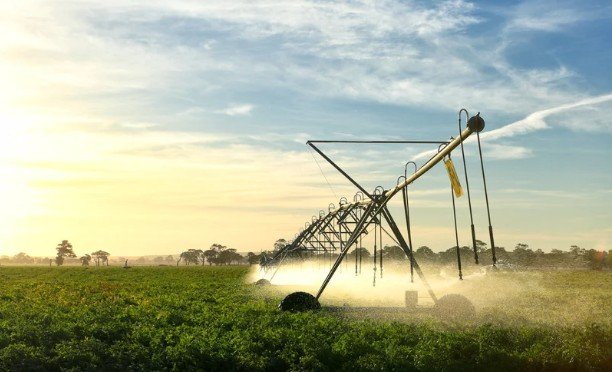
The best irrigation plans do not start with product preferences. They start with a sequence of practical questions that protect the project from avoidable failures.
A thoughtful design process typically asks:
- How much water is available at the point of connection?
- What pressure is present under working conditions, not just at rest?
- How much flow can the site sustain while still functioning properly?
- Which areas need spray, rotor, or drip irrigation?
- How should zones be separated to respect differing water needs?
- What equipment will support the design without overtaxing the supply?
That sequence is what turns an irrigation plan into a dependable system. It also makes the rest of the project easier to manage, because the design is already aligned with site realities before installation begins.
Colorado Outdoor Environments uses this kind of technical planning to keep systems grounded in measurable performance. That approach is more efficient, more defensible, and more likely to hold up over time.
The Long-Term Value of Getting the First Step Right
Pressure and flow testing may seem like a preliminary detail, but it is really the backbone of the whole irrigation plan. It defines what the system can do, what it should not be asked to do, and how to build something that performs well without wasting water.
That is the strategic value of this step. It reduces guesswork, improves coverage, supports code-aware design, and gives the homeowner a system that is easier to trust. More importantly, it avoids the common trap of trying to solve supply problems with schedule adjustments after the fact.
Colorado Outdoor Environments takes that foundation seriously because it leads to better outcomes at every stage of the project. If the goal is a durable, efficient irrigation system that fits the site instead of fighting it, pressure and flow testing belong in the plan from day one.