
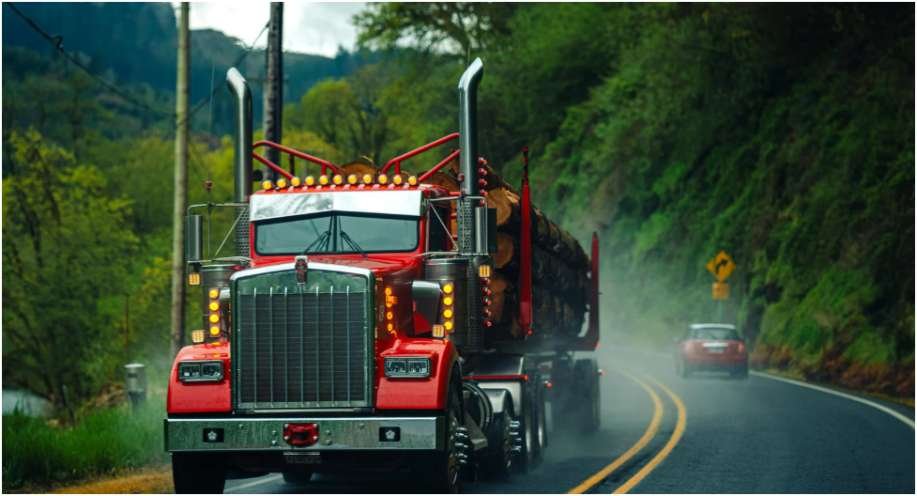
Heavy haulage is a specialized sector within the transportation industry focused on moving large, heavy, and oversized loads that require specialist equipment and careful planning.
In Victoria, Australia, the heavy haulage industry plays a vital role in supporting various sectors such as construction, mining, manufacturing, and infrastructure development. This article provides an in-depth overview of heavy haulage in Victoria, highlighting its importance, regulatory framework, equipment, and challenges involved.
Understanding Heavy Haulage
Heavy haulage involves the transportation of loads that exceed standard size and weight limits established for regular freight. These can include machinery, transformers, bridge components, and other oversized industrial materials. Due to the critical nature of these loads, heavy haulage demands specific expertise, including route planning, risk assessment, and the use of specialised trailers and escort vehicles.
Importance of Heavy Haulage in Victoria
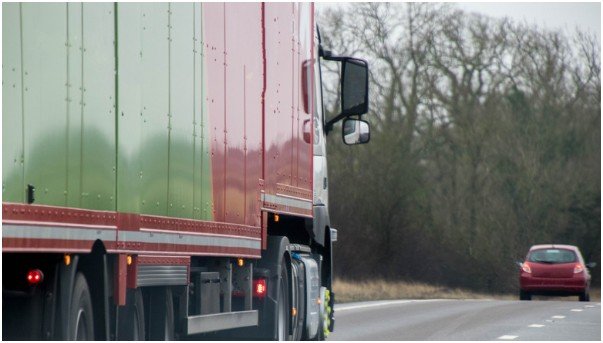
Victoria’s robust economy and industrial activities create considerable demand for heavy haulage services. The transport of oversized machinery and construction materials is essential for the development of infrastructure projects such as roads, bridges, railways, and energy plants. Without efficient heavy haulage providers, delays in project timelines and increased costs would become significant challenges for the industry.
Heavy Haulage Providers in Victoria
Finding experienced heavy haulage Victoria operators is crucial for ensuring that oversized loads are managed and transported safely and efficiently. These providers typically have access to tailored equipment such as multi-axle trailers, low loaders, and modular transporters, which facilitate the movement of heavy cargo over varied terrain.
Regulatory Requirements
Heavy haulage operations within Victoria are governed by stringent regulations designed to maintain road safety and infrastructure integrity. Operators must acquire the necessary permits for overweight and oversized loads. The Victorian government enforces weight and dimension limits, and compliance is monitored by relevant authorities such as VicRoads and the National Heavy Vehicle Regulator (NHVR).
Permits specify the allowable routes, travel times, escort vehicle requirements, and load securing methods. Failure to comply with these regulations can result in penalties, delays, and increased risks. As such, experienced heavy haulage companies develop comprehensive compliance strategies and maintain communication with regulators throughout the transport process.
Specialised Equipment for Heavy Haulage
Heavy haulage transport employs a diverse fleet of specialised vehicles and equipment tailored to the unique requirements of oversized loads. Popular equipment includes hydraulic modular trailers, capable of adjusting to various load sizes, and bolster trailers designed for transporting long loads such as pipes and beams.
Additionally, transporters use axle configurations that distribute weight evenly to reduce stress on road pavements and bridges. Equipment used by heavy haulage Victoria services is regularly inspected and maintained to ensure optimal performance and safety standards.
Planning and Route Assessment
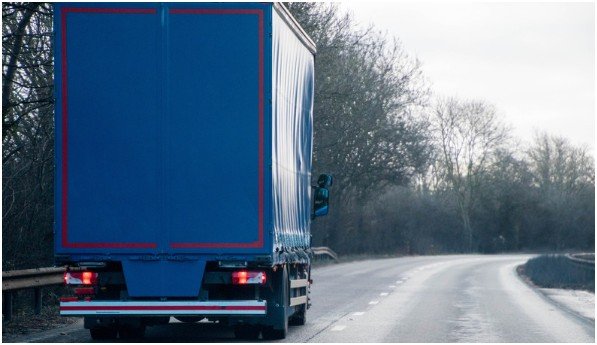
One of the critical components of heavy haulage is route planning. This phase requires detailed analysis of the load dimensions, weight, and centre of gravity. Planners must consider overhead clearances, bridge weight capacities, road widths, and possible obstructions such as power lines and trees.
Using geographic information systems (GIS), transport companies can simulate routes and anticipate challenges that may arise along the way. Road closures, traffic management, and the availability of escort vehicles are also factors that must be incorporated into the transportation plan.
Safety Considerations
Safety in heavy haulage encompasses load securing, vehicle operation, and public safety measures. Loads must be securely fastened using certified chains, binders, and tensioning devices to prevent shifting during transit. Drivers of heavy haulage vehicles are specially trained to manage complex manoeuvres while maintaining control and adhering to speed limits.
Escort vehicles are often deployed to warn other road users, particularly for wide or long loads. These vehicles communicate with the transport truck to negotiate intersections, tight corners, and narrow roads. Safety briefings and risk assessments are integral to every transport operation. That’s how laws shape society using these safety standards by making laws and doing risk assessments without restricting heavy haulage vehicles on roads.
Challenges in Heavy Haulage in Victoria
Victoria’s terrain and urban environments present several challenges to heavy haulage. Within metropolitan areas, heavy vehicles must navigate congested streets and comply with strict travel time windows to minimise disruption. In regional areas, road conditions and infrastructure may vary, requiring adaptability and contingency planning.
Weather conditions also affect heavy haulage operations. Rain, fog, and strong winds can impact visibility and vehicle handling. Operators must monitor weather forecasts and adjust plans accordingly to ensure safe transportation using autonomous AI workflows integration to improve productivity using software designed for logistics.
Environmental and Community Impact
Heavy haulage routes may pass through residential or environmentally sensitive areas. As a result, operators must consider noise pollution, emissions, and potential disruptions to local communities. Implementing best practices such as scheduling travel during off-peak hours and maintaining clean and well-maintained vehicles can mitigate some of these impacts.
Technological Innovations in Heavy Haulage
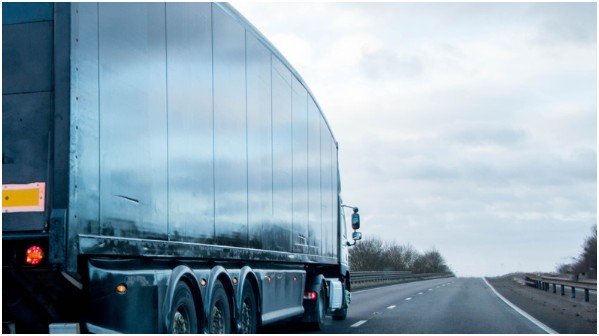
Recent technological advancements are enhancing the efficiency and safety of heavy haulage. GPS tracking and telematics systems enable real-time monitoring of vehicle position and condition, allowing operators to respond promptly to issues. Load sensors and stability control systems provide additional safety measures by detecting load shifts and preventing rollovers.
Moreover, digital tools for permit management and route optimisation reduce administrative workloads and streamline planning processes. Providers engaged in heavy haulage Victoria increasingly leverage such technologies to maintain high service standards.
Future Outlook
The demand for heavy haulage in Victoria is expected to grow in tandem with infrastructural development and industrial expansion. This will likely drive further innovation in equipment, planning methodologies, and regulatory frameworks. Improving road infrastructure and investment in specialised training for operators are critical areas of focus for stakeholders to support safe and efficient transport of heavy loads in the future.
Summary
Heavy haulage is an essential service in Victoria that supports industrial activities by transporting oversized and heavy equipment safely and efficiently. Operators must navigate complex regulations, employ specialised equipment, and plan meticulously to manage logistical challenges. The integration of technology and adherence to safety standards underpin the success of heavy haulage operations in the region.
Engaging professional heavy haulage Victoria companies is imperative for ensuring compliance and reducing risks associated with the transport of large and heavy loads. As the industry evolves, ongoing improvements in regulations, technology, and training will bolster the sector’s capacity to meet future demands effectively.