Walking through my home used to feel routine until small electrical issues started catching my attention, and that’s when I began learning about signs of unsafe home wiring more seriously. What seemed minor at first turned out to be early warnings I could have easily missed. Once I understood what to look for, everything felt more controlled and a lot safer.
Why Electrical Warning Signs Matter
Electrical wiring problems are one of the leading causes of residential fires, and most of them start with subtle warning signs. These signals often appear long before anything dangerous actually happens, which means you have time to act—if you know what to look for.
Understanding these signs is not about becoming an electrician. It’s about protecting your home, your family, and your peace of mind by recognizing when something isn’t right.
Common Signs Of Unsafe Home Wiring
These are the most frequent warning signals homeowners notice before problems escalate.
Flickering Or Dimming Lights
This is usually the first thing people notice, but it’s often ignored.
Lights that flicker occasionally might not seem serious, but if it happens regularly or across multiple rooms, it could indicate or loose wiring connections. Inconsistent power flow is a clear sign your system isn’t stable.overloaded circuits
Burning Smell Or Scorch Marks
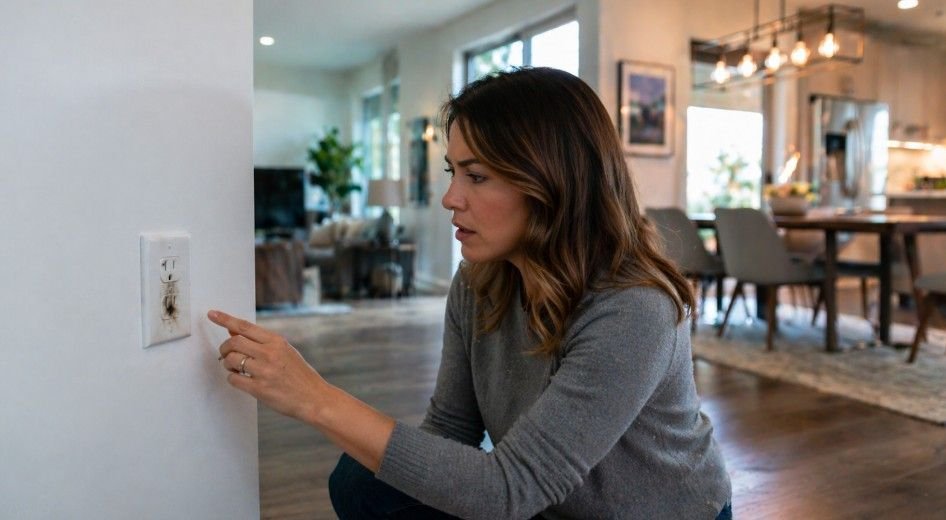
This is one of the most dangerous signals you should never ignore. A faint burning smell near outlets, switches, or electrical panels often points to overheating of electric wires or insulation breakdown. If you notice discoloration or scorch marks, the risk of fire increases significantly.
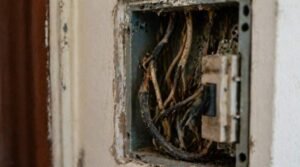
Frequent Circuit Breaker Trips
Your electrical panel is trying to protect you. Circuit breakers trip when there’s too much electrical load or a fault in the system. If this happens often, it’s not just inconvenience—it’s a sign your wiring may be struggling to handle your home’s demand.
Warm Or Vibrating Outlets
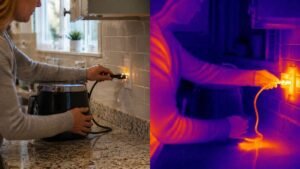
Outlets should never feel warm to the touch. Heat buildup indicates excess current or poor connections inside the wiring. In some cases, you might even feel a slight vibration or buzzing, which points to loose or faulty wiring behind the walls.
Normal Vs Dangerous Electrical Behavior
Not every issue is a major problem, but knowing the difference matters.
Occasional Flicker Vs Constant Flicker
A brief flicker during a storm or power fluctuation is normal. However, consistent flickering in multiple areas usually indicates wiring instability or overloaded circuits. That’s when it shifts from normal to something worth investigating immediately.
Warm Appliance Vs Hot Outlet
Some appliances naturally generate heat while running. But outlets and switches should remain cool. If they feel hot or uncomfortable to touch, it’s a warning sign of internal wiring stress that needs attention.
Single Issue Vs Repeated Pattern
One isolated issue may not mean much. But repeated electrical problems across your home often signal a deeper wiring issue. Patterns are what you should pay attention to, not just one-off events.
What These Signs Actually Mean
Understanding the cause helps you act faster and smarter.
Overloaded Circuits
Modern homes use more devices than older wiring systems were designed for. When too many appliances draw power from the same circuit, it creates stress on the wiring, leading to overheating and circuit breaker trips.
Outdated Or Damaged Wiring
Older homes may still have aluminum wiring or worn insulation. These materials degrade over time, increasing the risk of electrical faults, short circuits, and fire hazards.
Loose Connections Behind Walls
Hidden wiring issues are often the most dangerous. Loose connections create resistance, which generates heat. Since this happens out of sight, it can go unnoticed until visible damage appears.
How To Detect Signs Of Unsafe Home Wiring
This simple routine can help you identify issues early without overcomplicating things.
- Start by observing your home during normal use. Notice how lights behave when appliances turn on, and pay attention to any unusual sounds like buzzing near outlets or switches.
- Walk through each room and check outlets by lightly touching them to ensure they’re not warm. Look for visual signs such as discoloration, burn marks, or damaged wires.
- Next, test your circuit behavior by using multiple devices at once. If breakers trip or lights dim significantly, it may indicate overloaded wiring. Also, trust your senses—unusual smells or sounds are often early warnings.
- Finally, if something feels off but you’re unsure, don’t wait for confirmation. Getting a licensed electrician to inspect your system is always safer than guessing.
When Should You Be Concerned
Some situations require immediate attention rather than observation.
Sudden Burning Smell
This is not something to monitor—it’s something to act on. Turn off power to the affected area immediately and avoid using the outlet or switch. This often indicates overheating wires that could lead to fire.
Repeated Electrical Failures
Recurring issues signal a deeper problem. If multiple appliances fail, breakers trip frequently, or lights constantly flicker, it’s time to treat it as a system-wide concern rather than isolated incidents.

Old Home With No Upgrades
Age plays a significant role in wiring safety. Homes older than 20–30 years may not be equipped for modern electrical loads, making them more vulnerable to unsafe wiring conditions.
Prevention Tips That Make A Difference
Avoid overloading power strips and extension cords, as they place extra stress on circuits. Replace damaged cords or outlets immediately instead of delaying repairs. Make it a habit to periodically check outlets and switches for heat or discoloration.
Scheduling a professional electrical inspection every few years is also one of the most effective ways to stay ahead of potential problems without guessing.
Frequently Asked Questions
1. What Are The First Signs Of Unsafe Home Wiring?
Flickering lights, frequent breaker trips, burning smells, and warm outlets are common early warning signs.
2. Is Flickering Lights Always A Wiring Problem?
Not always. Occasional flicker can be normal, but frequent or widespread flickering often indicates wiring or circuit issues.
3. How Urgent Is A Burning Smell From An Outlet?
Very urgent. It may signal overheating wires and potential fire risk, requiring immediate attention.
4. Can Old Wiring Still Be Safe?
It can be, but older systems are more likely to fail under modern electrical loads and should be inspected regularly.
Signs Of Unsafe Home Wiring
Paying attention to signs of unsafe home wiring completely changed how I approach home safety. What once felt like small annoyances now serve as early warnings that help prevent bigger problems.
Staying aware, acting quickly, and not ignoring subtle changes makes all the difference. The goal isn’t perfection—it’s awareness and timely action to keep your home healthy and stress-free.