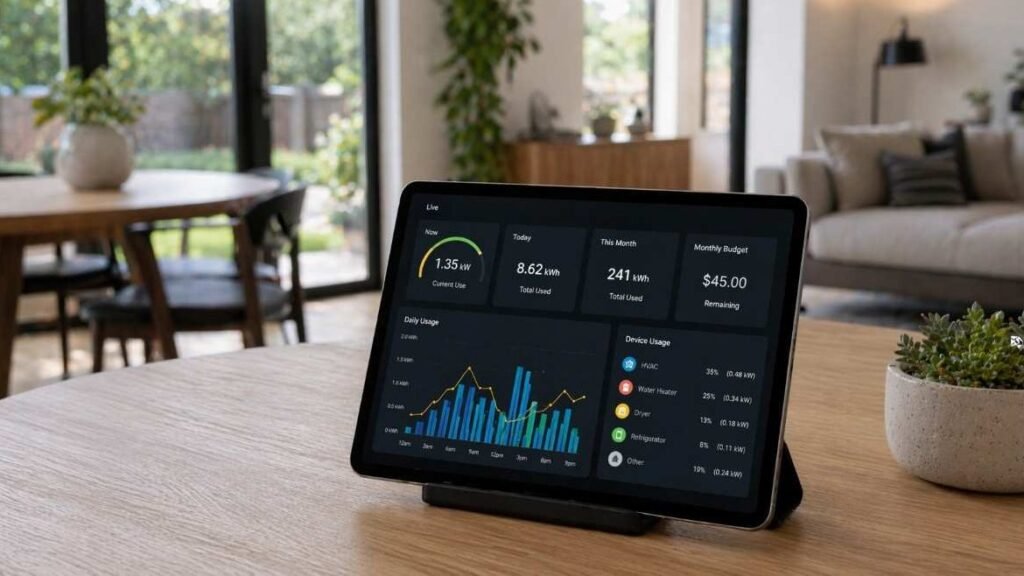
The moment energy bills started becoming unpredictable, everything pointed toward the need for smarter control. Understanding how smart grids help homes changed the way electricity is viewed and managed daily. Instead of waiting for a monthly bill, energy becomes something visible, adjustable, and far more efficient, giving a sense of control that traditional systems never offered.
How Smart Grids Help Homes Work Smarter
Smart grids change the way electricity flows and how homes interact with energy systems.
Two Way Communication System
This is where the transformation begins with how smart grids help homes operate. Traditional grids only deliver electricity in one direction, from the utility to the home. Smart grids introduce a two way communication system where data flows back and forth continuously.
This means utilities can respond instantly to demand changes while homeowners can monitor usage in real time. It creates a more balanced and efficient energy system that reacts to actual needs rather than assumptions.
Real Time Energy Monitoring
Another major shift in how smart grids help homes is the ability to track energy usage instantly. Smart meters provide second by second updates instead of monthly estimates.
This level of visibility helps identify waste quickly. Appliances left running or inefficient usage patterns become obvious, allowing immediate corrections that lead to long term savings.
Data Driven Energy Decisions
With accurate data available, energy decisions become more intentional. Instead of guessing, homeowners can adjust usage based on real insights.
This leads to smarter routines such as running appliances during cheaper hours or reducing usage during peak demand. Over time, these small adjustments create a noticeable difference.
Key Benefits For Homes
The real impact becomes clear when looking at how smart grids improve everyday life.
Lower Electricity Bills
One of the most practical ways how smart grids help homes is through cost savings. Time of use pricing allows electricity to cost less during off peak hours. By shifting activities like laundry or charging devices to these times, households can significantly reduce their monthly bills without changing their lifestyle drastically.
Faster Power Restoration
Smart grids improve how outages are handled. Sensors across the system detect issues instantly and can isolate problems before they spread. In many cases, power is rerouted automatically, reducing downtime. This means fewer disruptions and a more reliable electricity supply for homes.

Empowered Energy Producers
Homes with solar panels benefit greatly from smart grids. Instead of wasting excess energy, it can be sent back into the system. This creates an opportunity to earn credits or reduce costs further. It turns homes into active participants rather than passive consumers.
Automation And Efficiency In Daily Life
Automation plays a key role in making smart grids more effective for households.
Smart Appliances Adjust Automatically
Smart appliances can respond to real time signals from the grid. For example, a refrigerator can delay energy intensive cycles until electricity is cheaper. This automatic adjustment reduces costs without requiring constant attention from homeowners.

Better Energy Efficiency At Home
Smart grids balance supply and demand more effectively. This reduces unnecessary energy waste and ensures electricity is used where it is needed most. Even small improvements in efficiency add up over time, leading to noticeable savings and reduced environmental impact.
Improved Reliability During High Demand
During extreme weather or high usage periods, traditional grids often struggle. Smart grids distribute energy more efficiently to avoid overload. This reduces the chances of blackouts and ensures consistent performance even during peak demand.
Smart Home Vs Traditional Home
Understanding the difference highlights why smart grids are becoming essential.
| Feature | Traditional Home | Smart Grid Enabled Home |
| Data Flow | One way communication | Two way real time interaction |
| Metering | Manual or estimated | Digital smart meters |
| Pricing | Fixed electricity rates | Dynamic time of use pricing |
| Renewable Energy | Only consumes energy | Can produce and sell solar energy |
| Outage Detection | Customer reports issue | Automatic detection and alerts |
How Smart Grids Support Renewable Energy
Smart grids make it easier to integrate cleaner energy sources into daily life.
Solar Energy Integration
Homes with solar panels can send excess electricity back to the grid. This prevents waste and improves overall efficiency. It also allows homeowners to reduce reliance on traditional energy sources while benefiting financially.

Efficient Energy Distribution
Smart grids manage energy from multiple sources, including renewables. This ensures a stable supply even when solar or wind production fluctuates. The result is a more reliable and flexible energy system for modern homes.
Future Ready Energy Systems
Electric vehicles and home battery systems depend on smart grid infrastructure. These technologies require precise energy management. Smart grids make it easier to adopt these innovations without major changes to the home setup.
How Smart Grids Help Homes
This step by step approach explains how to take advantage of smart grid technology in everyday life.
- Start by connecting to a utility provider that offers smart grid programs or installing a smart electricity usage meter if available. This provides access to real time energy data and forms the foundation for better energy management.
- Next, begin monitoring daily usage patterns through a dashboard or mobile app. Identify peak usage times and adjust routines by shifting energy intensive tasks to off peak hours where electricity costs less.
- Finally, integrate smart devices such as thermostats or plugs that can automate energy consumption. Review usage regularly and refine habits over time. These consistent changes help maximize efficiency and reduce costs without adding complexity.
Frequently Asked Questions
1. How smart grids help homes reduce energy costs?
They provide real time data and dynamic pricing, allowing you to shift usage to cheaper periods and avoid unnecessary consumption.
2. Do smart grids require smart devices?
No, but smart devices enhance efficiency by automating energy use and responding to grid signals.
3. How smart grids help homes during outages?
They detect faults instantly and reroute power, reducing downtime and improving reliability.
4. Can smart grids work with solar panels?
Yes, they allow homes to send excess solar energy back to the grid and receive credits.
Smarter Way To Manage Energy
Looking back, the biggest change came from gaining control over daily energy use. Understanding how smart grids help homes turns electricity from a hidden expenses of power into something visible and manageable.
Small adjustments begin to make a real difference over time. With smarter systems and better awareness, managing energy becomes simpler, more efficient, and far less stressful in everyday life.