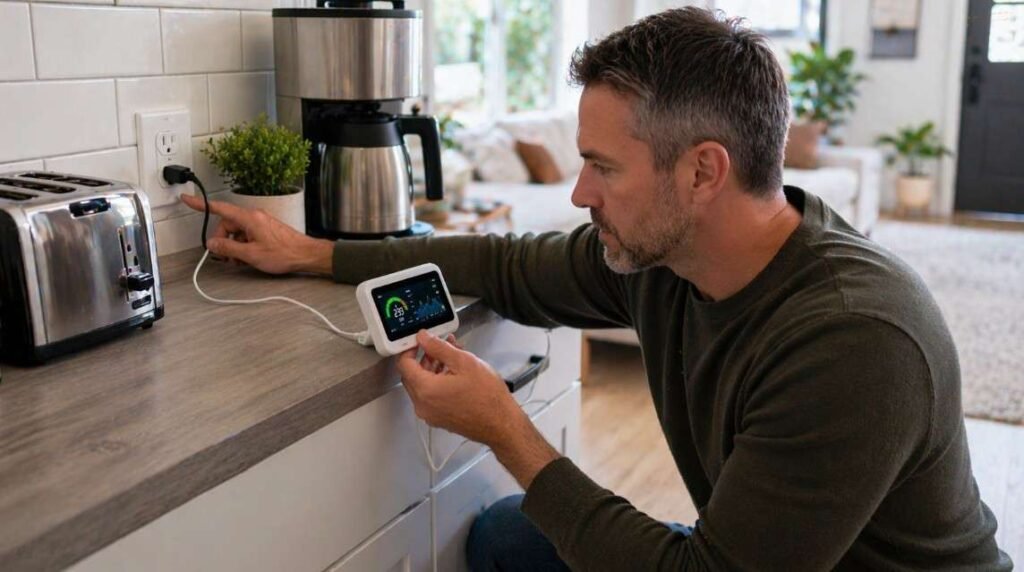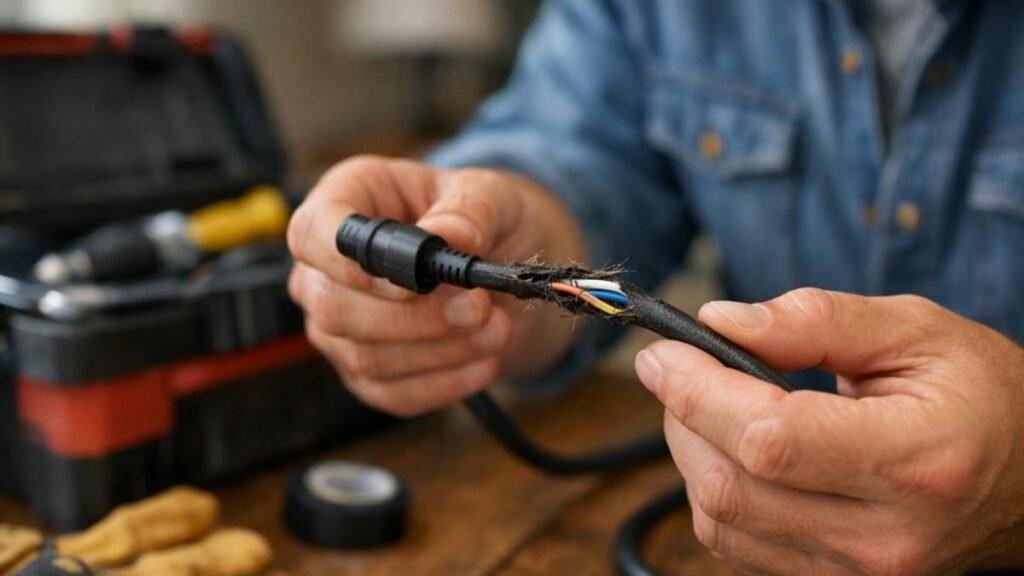

Power outages used to feel unpredictable and stressful, especially when everything suddenly stopped working at once. Over time, building a simple routine helped me stay calm and in control. Learning how to prepare for a power outage is really about small, practical steps that keep your home safe, your essentials ready, and your mind at ease when the lights go out.
Why Preparation For A Power Outage Matters
Being ready before an outage happens changes everything. Power outages can disrupt daily life in ways most people underestimate. It is not just about losing electricity but also about food safety, communication, and maintaining comfort during extreme weather conditions. Having a plan in place helps avoid last-minute panic and confusion.
From storms to grid overloads, outages can last longer than expected. Preparing in advance ensures you have what you need to stay safe, warm, and connected. It also reduces risks associated with spoiled food, unsafe lighting, and lack of information during emergencies.
Essential Supply Kit For A Power Outage
This is the foundation of how to prepare for a power outage effectively.
Basic Emergency Supplies
Every household should have a reliable emergency kit ready. Start by storing at least one gallon of water per person and pet per day for at least three days. Keep non-perishable foods like canned goods, peanut butter, and energy bars that do not require cooking. A manual can opener is just as important because electric ones will not work during an outage.
Flashlights and headlamps should always be your primary lighting source instead of candles, which can create fire hazards at home. Keep extra batteries nearby and store everything in an easy-to-access location so no one wastes time searching in the dark.

Medical And Information Essentials
Staying informed and prepared for health needs is critical. A battery-powered or hand-crank radio helps you monitor weather updates and emergency alerts when internet access is unavailable. Keeping a well-stocked first aid kit and a backup supply of essential medications ensures you are prepared for minor injuries or ongoing health conditions.
Make sure every member of your household knows where these supplies are stored. This simple step makes a huge difference during stressful situations when quick access is necessary.
Immediate Actions During A Power Outage
Knowing what to do during the outage is just as important as preparation.
Protect Food And Appliances
Food safety should be your top priority during a blackout. Keep refrigerator and freezer doors closed as much as possible to maintain cold temperatures. A refrigerator can keep food safe for about four hours, while a full freezer can preserve food for up to forty eight hours if left unopened.
Unplug sensitive electronics like televisions, computers, and kitchen appliances to protect them from power surges when electricity is restored. This simple habit can prevent costly damage.
Safety And Temperature Management
Your safety and comfort depend on smart decisions. If you are using a generator, always operate it outdoors at least twenty feet away from windows and doors to avoid carbon monoxide exposure. Indoor use is extremely dangerous and should never be considered.
In winter, wear layered clothing and stay in one insulated room to conserve heat. In summer, close curtains to block sunlight and stay hydrated to avoid heat-related issues.

Preparation Checklist Before The Outage
This checklist is where how to prepare for a power outage becomes practical.
Charge And Fuel Essentials
Preparation starts with keeping everything powered up. Make it a habit to fully charge phones, laptops, and power banks whenever severe weather is expected. Backup power sources ensure you stay connected and informed during outages.
Keep your car’s gas tank at least half full since gas stations rely on electricity to operate. This ensures you can travel if necessary without delay.
Home Readiness And Safety Setup
Small steps can make your home outage-ready. Learn how to use the manual release lever for your garage door so you can access your vehicle if needed. If your home uses a well system, consider filling your bathtub with water before a storm to use for flushing toilets.
Install battery-backed smoke detectors and carbon monoxide alarms on every level of your home. These devices provide an added layer of protection when power is unavailable.
Food Safety After Power Returns
Knowing what to keep or discard protects your health.
Perishable Foods To Discard
Some foods become unsafe very quickly without refrigeration. Meat, poultry, seafood, milk, yogurt, eggs, and soft cheeses should be discarded if left unrefrigerated for more than four hours. These items can develop harmful bacteria even if they look and smell normal.
It is always better to prioritize safety over saving food. Consuming spoiled items can lead to food poisoning, something that is easily avoidable.
Foods That Can Still Be Used
Not everything needs to be thrown away after an outage. Hard cheeses, fresh uncut fruits, and vegetables are generally safe to keep. These foods are less prone to bacterial growth and can still be consumed if stored properly.
Taking a few minutes to evaluate your food carefully helps reduce waste while ensuring your household remains safe and healthy.

How To Prepare For A Power Outage Step By Step
This simple routine brings everything together into one plan.
- Start by assembling your emergency kit with water, food, lighting, and medical supplies and keep it in an easily accessible place. Then ensure all your devices are charged and backup power options are ready before any expected outage.
- Next, prepare your home by installing safety detectors, understanding manual systems, and organizing essential items for quick access.
- Finally, review your plan with your household so everyone knows what to do, making the entire process smooth and stress-free.
Frequently Asked Questions
1. How To Prepare For A Power Outage In Advance?
Start by building an emergency kit, storing water and food, and keeping devices charged. Make sure your household understands the plan and knows where supplies are located.
2. What Should You Avoid During A Power Outage?
Avoid using candles, running generators indoors, and opening the refrigerator frequently. These actions can increase safety risks and reduce food preservation time.
3. How Long Can You Stay Safe Without Power?
With proper preparation, most households can stay safe for at least seventy two hours using stored food, water, and backup supplies.
4. Why Is Planning Important For Power Outages?
Planning reduces stress, improves safety, and ensures you have everything needed to stay comfortable until power is restored.
Precautions That Actually Matter
Once you build a simple routine, power outages stop feeling overwhelming and become manageable situations. Knowing how to prepare for a power outage gives you confidence, keeps your household safe, and helps you handle unexpected disruptions without stress. It is not about overthinking but about being ready with the essentials that truly matter when the lights go out.