I used to think great travel meant doing more—more cities, more sights, more packed days. I’d come home with hundreds of photos… and barely any real memories that felt meaningful.
Everything changed when I discovered the slow travel lifestyle.
Instead of rushing through destinations, I started staying longer, living like a local, and actually experiencing places instead of just passing through them. The difference was immediate. I felt calmer, more present, and surprisingly more fulfilled—even though I was doing less.
If you’ve ever felt like your trips are turning into a checklist instead of an experience, this might be the shift you didn’t know you needed.
What Is a Slow Travel Lifestyle and Why Does It Matter Today?
The slow travel lifestyle is an intentional way of traveling that prioritizes depth over speed. Instead of rushing through cities, I stay in one place for weeks or even months to experience daily life like a local.
This approach has become increasingly popular across the US, especially among remote workers, retirees, and long-term travelers looking for meaningful experiences.
For me, it’s not just about travel anymore. It’s about creating a temporary lifestyle wherever I go—one that feels grounded, calm, and connected.
Why Is the Shift From FOMO to JOMO Changing Travel Habits?
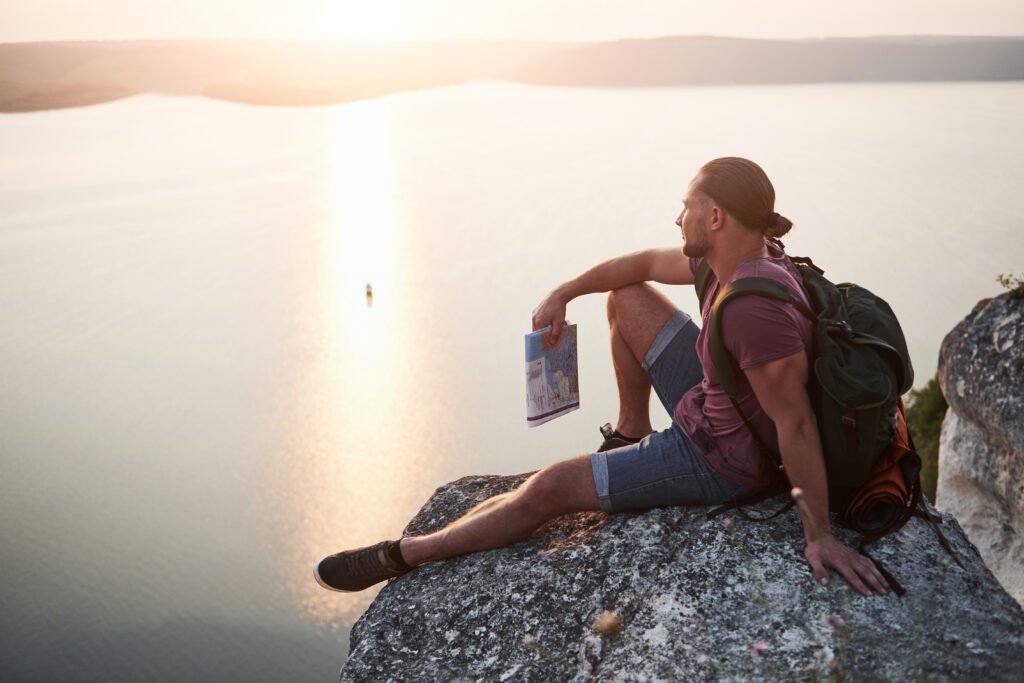
One of the biggest mindset changes I experienced was moving from FOMO (Fear of missing) to JOMO—the joy of missing out.
Instead of stressing about everything I might miss, I started enjoying what was right in front of me. I didn’t need to visit every attraction in a city to feel fulfilled.
This shift made my trips feel lighter and more intentional. I began to appreciate slower mornings, longer walks, and unplanned moments that never show up on traditional itineraries.
How Does Slow Travel Lifestyle Help You Connect With Places?
When I stay longer in one place, everything changes. I started recognizing local faces, discovering neighborhood spots, and understanding the rhythm of daily life.
I’ve had conversations in small cafés, attended local events, and even learned simple cultural habits that I would have missed on a quick trip.
This deeper connection is what makes the slow travel lifestyle so powerful. It turns travel into something personal rather than transactional.
What Are the Real Benefits of Slow Travel in the US?
One of the biggest advantages I noticed is affordability. Staying longer often means better rental deals, fewer transportation costs, and more control over daily spending.
It also reduces burnout. Instead of constantly packing and moving, I settle into a routine that feels stable and relaxing.
Another benefit is personal growth. With more time, I’ve been able to reflect, learn new skills, and even pick up small habits from local communities that stay with me long after the trip ends.
How Does Sustainability and Minimalism Fit Into This Lifestyle?
Slow travel naturally supports sustainable choices. I take fewer flights, rely more on local transport, and spend money within local communities.
Over time, I also adopted a minimalist approach. I travel with fewer belongings and focus more on experiences rather than things.
This combination of sustainability and minimalism makes travel feel lighter—both physically and mentally. It aligns with a more conscious way of living that extends beyond travel itself.
What Are the Best Places in the US for Slow Travel Living?
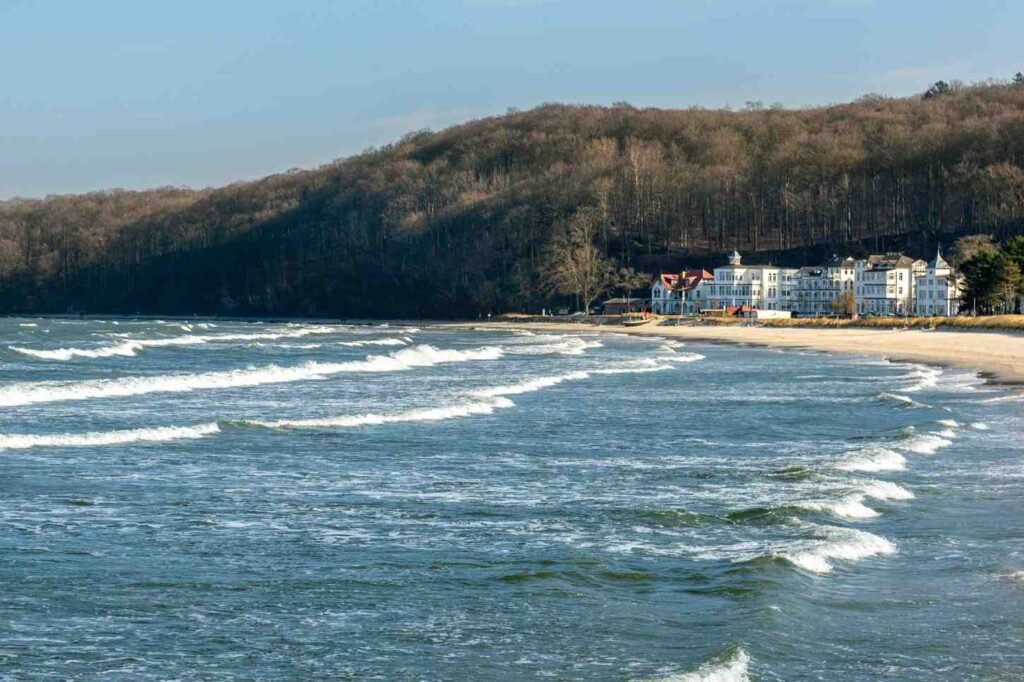
Some destinations make it easier to embrace this lifestyle. Cities like Asheville, Santa Fe, and Sedona offer a relaxed pace with strong local culture.
Coastal towns in California and smaller communities across Colorado or Oregon also provide the perfect environment for longer stays.
From my experience, the best places are not always the most famous ones. They’re the ones where you can build a routine, feel comfortable, and truly settle in.
How Do You Transition Into a Slow Travel Lifestyle Step by Step?
I didn’t jump into this lifestyle overnight. I started gradually.
First, I extended my trips. Instead of a few days, I stayed for a couple of weeks. Then I tried a one-month stay in a single location.
Next, I focused on income. Remote work made it easier, but even savings or seasonal work can support longer stays.
I also reduced what I owned. Traveling became simpler when I only carried essentials.
Finally, I stopped overplanning. I now focus on regions and seasons rather than strict schedules, which gives me the flexibility to adapt and explore naturally.
How I Build a Daily Routine While Traveling Slowly
Routine is what makes this lifestyle sustainable.
I start my mornings slowly—coffee, a walk, and a simple plan for the day. I limit myself to one or two activities instead of trying to do everything.
I also balance work, rest, and exploration. This structure keeps me productive without feeling overwhelmed.
Over time, this routine makes every destination feel like a temporary home rather than just a stop on a journey.
Can You Work and Travel at the Same Time Successfully?
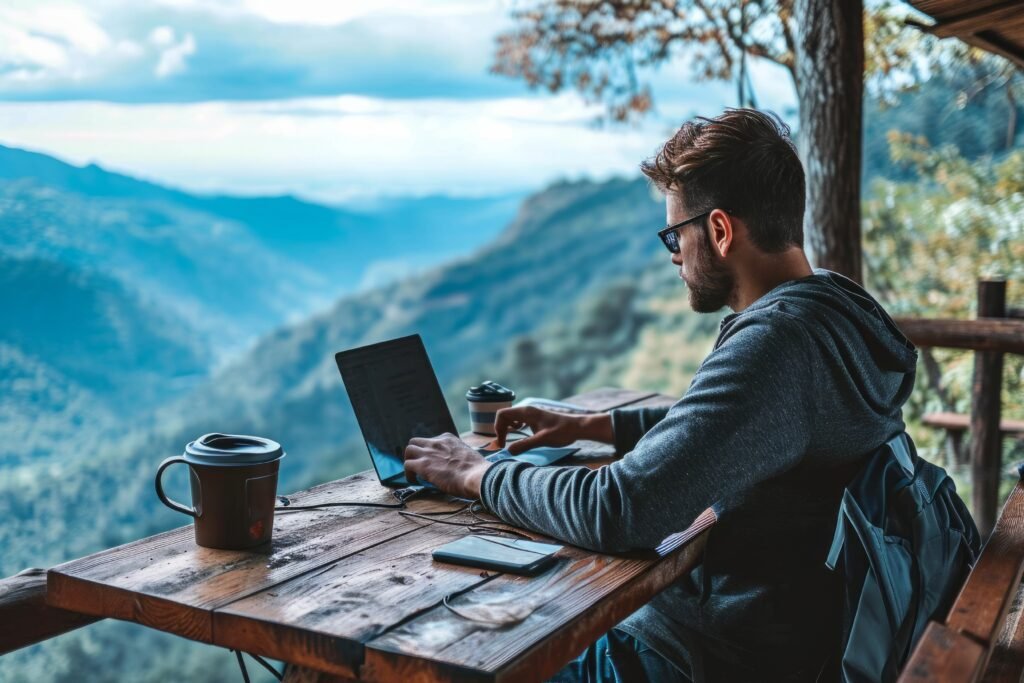
Yes, and this is one of the reasons this lifestyle is growing so quickly. With remote work, I’ve been able to maintain a steady income while exploring new places and working while travelling at the same time. The key is having a reliable setup—good internet, a comfortable workspace, and clear boundaries.
Once those are in place, it becomes much easier to enjoy both work and travel without sacrificing either.
Frequently Asked Questions About Slow Travel Lifestyle
1. What is a slow travel lifestyle in simple terms?
It means traveling at a relaxed pace, staying longer in one place, and focusing on meaningful, local experiences instead of rushing.
2. Is slow travel cheaper than regular travel in the US?
Yes, longer stays reduce accommodation and transport costs, making it more affordable over time.
3. How long should you stay in one place for slow travel?
I recommend at least one to four weeks to fully experience a destination.
4. Is a slow travel lifestyle suitable for beginners?
Yes, you can start small by extending your trips and gradually adjusting your travel habits.
A Smarter Way to Travel and Live
Adopting a slow travel lifestyle changed how I see the world. Travel no longer feels rushed or exhausting—it feels intentional and fulfilling.
If you’re looking for a better way to explore, slow down. You might discover that the best experiences come when you stop trying to see everything and start truly living where you are.