Travel feels exciting—until something goes wrong.
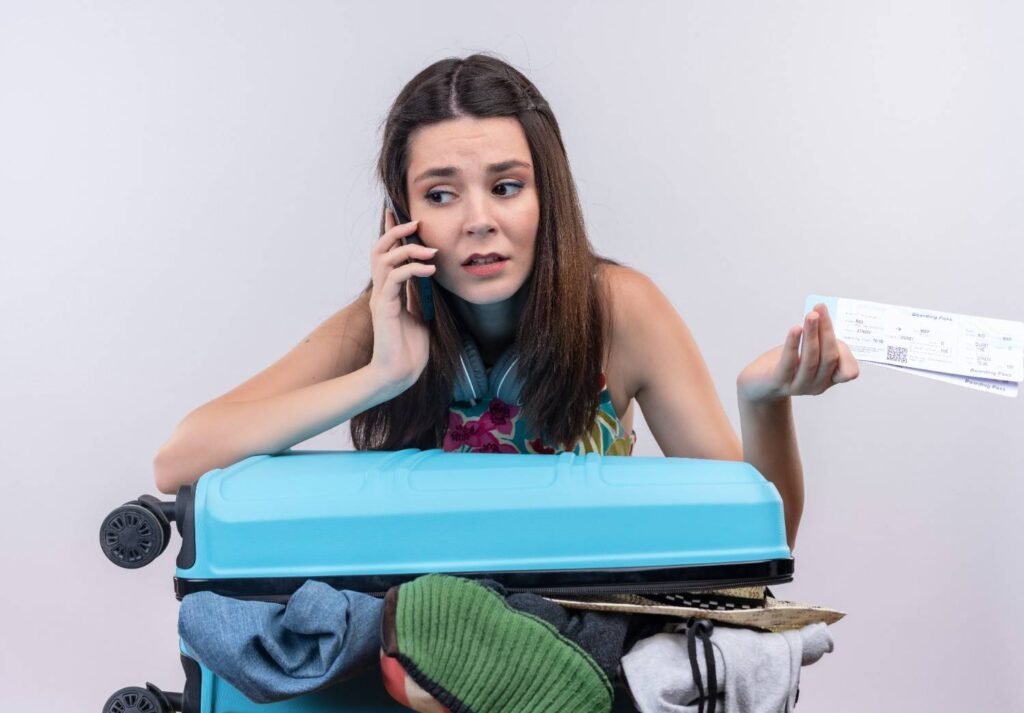
I’ve had moments where plans fell apart fast. A delayed flight turned into an overnight airport stay. A missing wallet forced me to rethink everything in minutes. In those situations, you don’t have time to Google what to do—you either panic or act.
That’s exactly why I rely on emergency travel tips that I’ve tested in real situations. These aren’t generic suggestions. They’re the habits that help me stay calm, think clearly, and fix problems before they spiral.
If you’ve ever worried about losing your passport, dealing with a medical issue abroad, or getting stuck during a travel disruption, this guide will change how you travel—because being prepared isn’t about fear, it’s about freedom.
What Should I Do Before a Trip to Prepare for Emergencies?
Preparation is where I focus most of my energy because it prevents almost every major issue later.
First, I registered with the Smart Traveler Enrollment Program (STEP) through the U.S. Department of State. This allows the embassy to contact me during emergencies like natural disasters or civil unrest, and it helps my family reach me if needed.
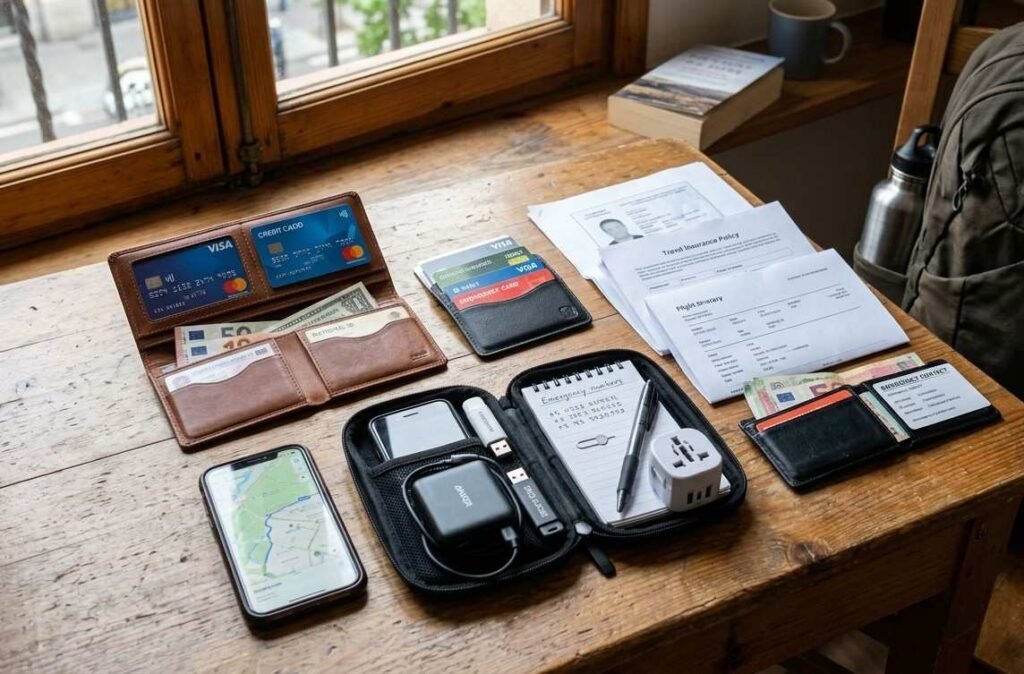
Next, I create both digital and physical backups of all important documents. I take photos of my passport, ID, visa, and insurance cards, store them securely in Google Drive, and keep printed copies in a separate bag.
I also carry a small emergency contact card in my wallet. It includes local emergency numbers (since 911 doesn’t work everywhere), my insurance details, and the address of the nearest U.S. embassy or consulate.
Finally, I never skip travel insurance. I make sure my plan includes emergency medical coverage and evacuation, because most U.S. health plans—including Medicare—don’t cover international care.
Which Emergency Travel Tips Matter Most on Every Trip?
Over time, I’ve narrowed things down to a few habits that consistently make the biggest difference.
I always build redundancy into my travel setup. That means backup cards, extra document copies, and multiple ways to access money and communication. If one thing fails, I have another option ready.
I also keep emergency contacts easily accessible—not just on my phone, but written down. Phones can die or get lost, and having a physical backup matters more than people realize.
Another thing I never skip is sharing my itinerary with someone I trust. It’s a simple step, but it ensures someone always knows where I am.
These small actions form the foundation of reliable emergency travel tips that I use on every trip.
What Should I Do If I Lose My Passport or Wallet?
Losing a passport or wallet feels stressful, but I’ve learned that acting fast makes it manageable.
If my passport is lost or stolen, I file a police report immediately. This is required for replacement and helps protect against identity misuse.
Then I contact the nearest U.S. embassy or consulate to apply for an emergency passport. Having document copies speeds up the process significantly.
If my wallet is stolen, I immediately freeze my cards using my banking app or emergency hotline. I switch to my backup card, which I always store separately.
Digital wallets like Apple Pay or Google Pay can also help bridge the gap if physical cards are gone.
How Do I Handle a Medical Emergency While Traveling?
Medical situations are one of the most serious travel concerns, so I prepare for them carefully.
If something urgent happens, I call the local emergency number right away. Since emergency numbers vary by country, I always check this before my trip.
I use translation apps with offline mode to explain symptoms if there’s a language barrier. This has been incredibly helpful in unfamiliar places.
I also contacted my travel insurance provider’s 24/7 hotline. They guide me to approved hospitals and often coordinate payments directly.
Carrying essential medications in my carry-on—and packing extra—ensures I’m never stuck without what I need.
What Happens During Natural Disasters or Civil Unrest?
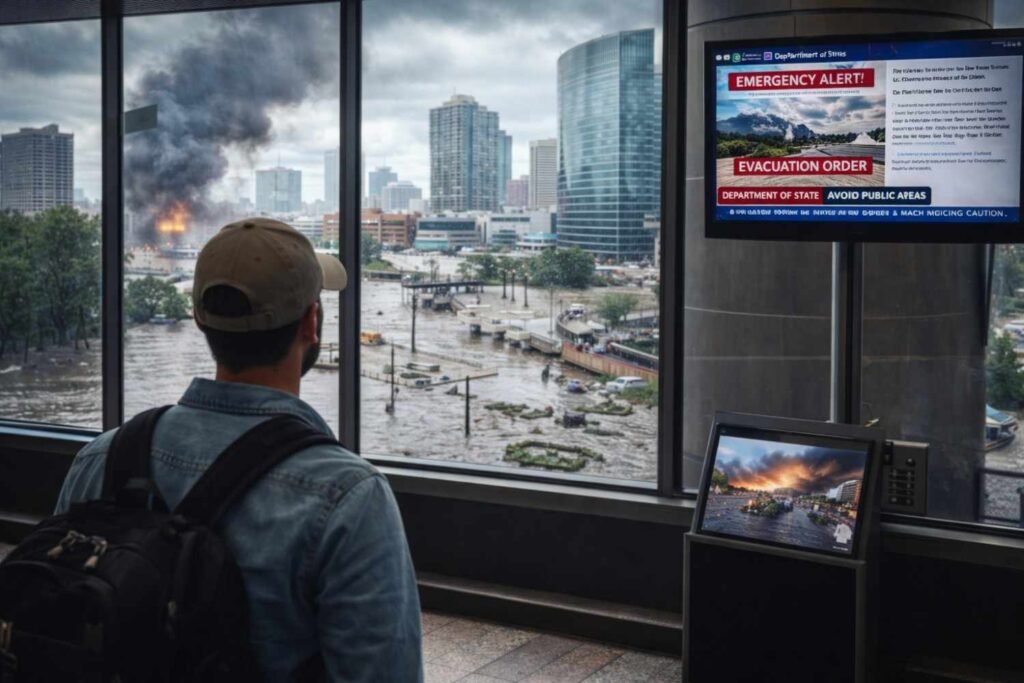
These situations are unpredictable, but preparation makes them easier to handle.
If I encounter a natural disaster or unrest, I move to a safe, secure location—preferably a sturdy building or a well-lit public area.
I monitor local news and official travel advisories, especially from the U.S. Department of State. Following verified updates helps me make informed decisions quickly.
I also avoid demonstrations or large gatherings, as they can escalate without warning.
Staying informed and aware is one of the most important emergency travel tips I follow.
What Happens If My Flight Is Canceled or Delayed?
Flight disruptions are more common than ever, and I’ve learned to handle them strategically.
I act quickly by checking airline apps and rebooking options. The earlier I respond, the better my chances of securing a good alternative.
I also keep backup routes in mind. Flexibility is key when plans change unexpectedly.
Travel insurance can help cover unexpected expenses like hotels or meals during long delays, which is why I always include it.
What Should I Pack in a Grab-and-Go Emergency Kit?
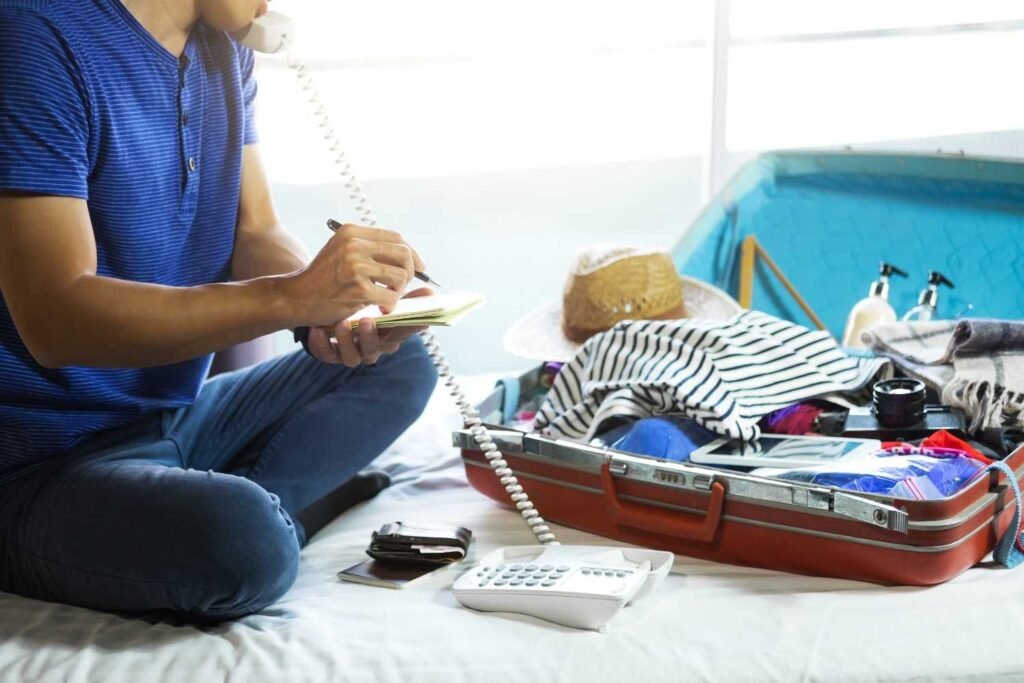
I always keep a small emergency kit in my carry-on so it stays with me no matter what.
I include a basic first-aid kit with pain relievers, antihistamines, and rehydration salts. These come in handy more often than expected.
I also pack extra medication—at least a three-day supply—along with a portable power bank to keep my phone charged.
Another essential is offline maps. I download my destination on Google Maps so I can navigate even without internet access.
These items may seem simple, but they make a huge difference when something goes wrong.
How I Follow Emergency Travel Tips Step by Step
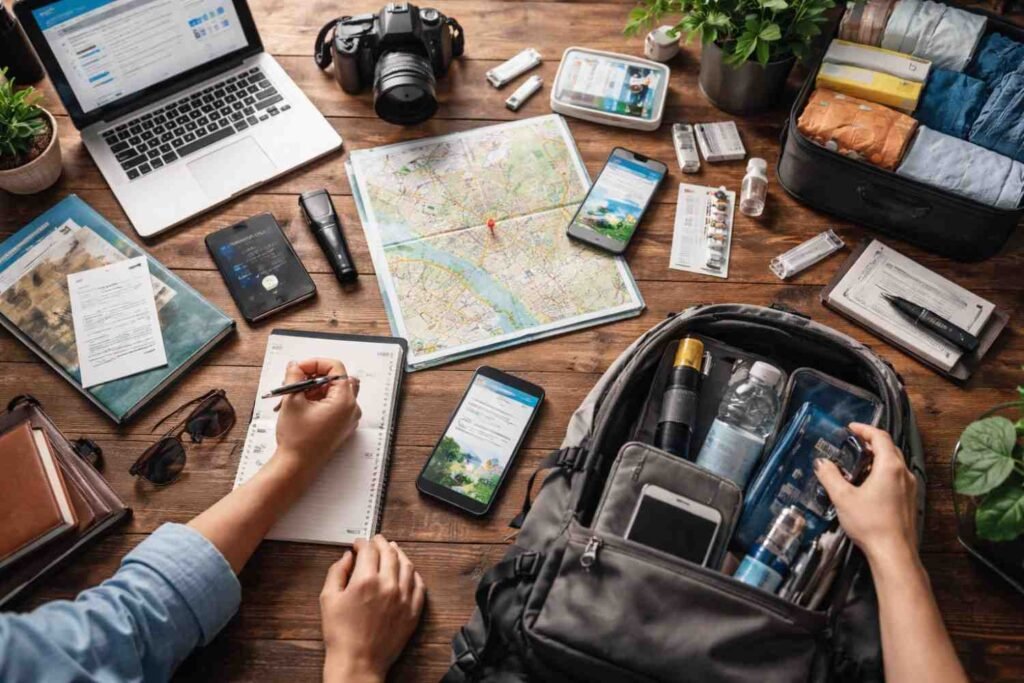
I follow a simple routine before every trip.
First, I research my destination, focusing on safety, emergency numbers, and nearby hospitals. Then I prepare documents, insurance, and backups.
Next, I pack smart, making sure I have all essentials in my carry-on.
Before leaving, I confirm bookings, share my itinerary, and check alerts or weather conditions.
Once I arrive, I take time to understand my surroundings. I locate key places like hospitals, transport hubs, and safe areas.
This system keeps me calm, organized, and ready for anything.
FAQs About Emergency Travel Tips
1. What are the most important emergency travel tips?
Focus on document backups, travel insurance, emergency contacts, and having multiple payment options ready.
2. What should I do if I lose my passport abroad?
File a police report and contact the nearest U.S. embassy or consulate for an emergency replacement.
3. Does travel insurance cover emergencies?
Yes, most plans cover medical emergencies, evacuations, and trip disruptions, depending on the policy.
4. How can I stay safe during travel emergencies?
Stay calm, follow official advisories, keep backups, and act quickly using the resources available to you.
Why Preparation Changes Everything
I used to think emergencies were rare, but travel has shown me otherwise. The difference is not avoiding problems—it’s being ready for them.
When I follow the right system, I don’t panic. I adapt, respond, and move forward.
That’s the real value of preparation. It turns uncertainty into confidence and makes every trip smoother, safer, and far more enjoyable.