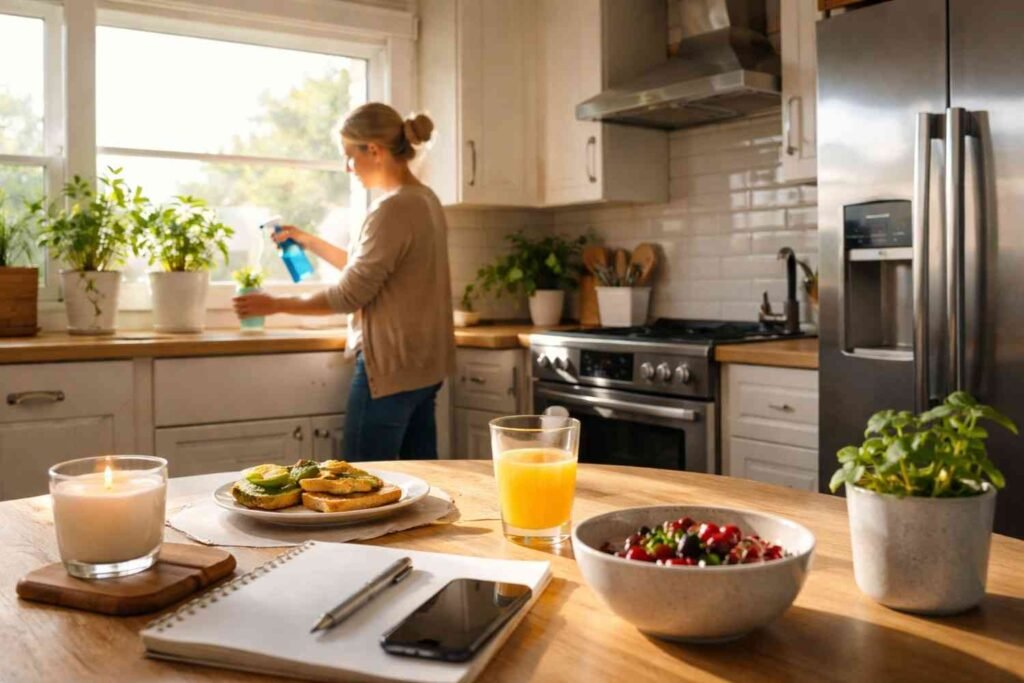
I didn’t really think much about plastic until I started noticing how often I threw it away. A bottle here, a food wrapper there, grocery bags piling up in a corner. None of it felt like a big deal in the moment. But over time, it added up, and that’s when it hit me. Most of my plastic use wasn’t intentional. It was automatic.
That realization changed how I approached things. Instead of trying to go “plastic-free” overnight, I focused on small, repeatable changes. And surprisingly, those small shifts didn’t feel restrictive. They felt smarter. Less waste, fewer unnecessary purchases, and a routine that just worked better.
Why Daily Habits Make The Biggest Impact

Plastic use is tied to routine. What you buy, how you store food, and what you carry with you are all repeated daily. That’s why big one-time changes don’t matter as much as consistent small ones.
When you swap something you use every day, the impact multiplies quickly. A reusable bottle replaces hundreds of disposable ones. A simple grocery habit can eliminate dozens of plastic bags each month. It’s not about doing everything, it’s about doing a few things consistently.
In The Kitchen: Start Where It Matters Most

The kitchen is usually the easiest place to begin because it’s where plastic shows up the most food storage, packaging, and daily use items.
Instead of trying to replace everything, focus on a few practical swaps that naturally fit into your routine:
- Replace plastic wrap with beeswax wraps, silicone lids, or simple container covers
- Use glass or stainless steel containers instead of plastic storage boxes
- Switch to a reusable water bottle instead of buying bottled water
- Choose loose-leaf tea with a reusable infuser instead of tea bags with hidden plastic
These lifestyle habits don’t just reduce waste, they often feel like upgrades. You’re using sturdier, longer-lasting items that don’t need constant replacing.
Smarter Shopping Habits That Reduce Plastic Automatically

A lot of plastic waste comes from what you bring home, not just what you use. Packaging plays a bigger role than most people realize.
Making a few intentional changes while shopping can significantly cut down plastic without adding effort:
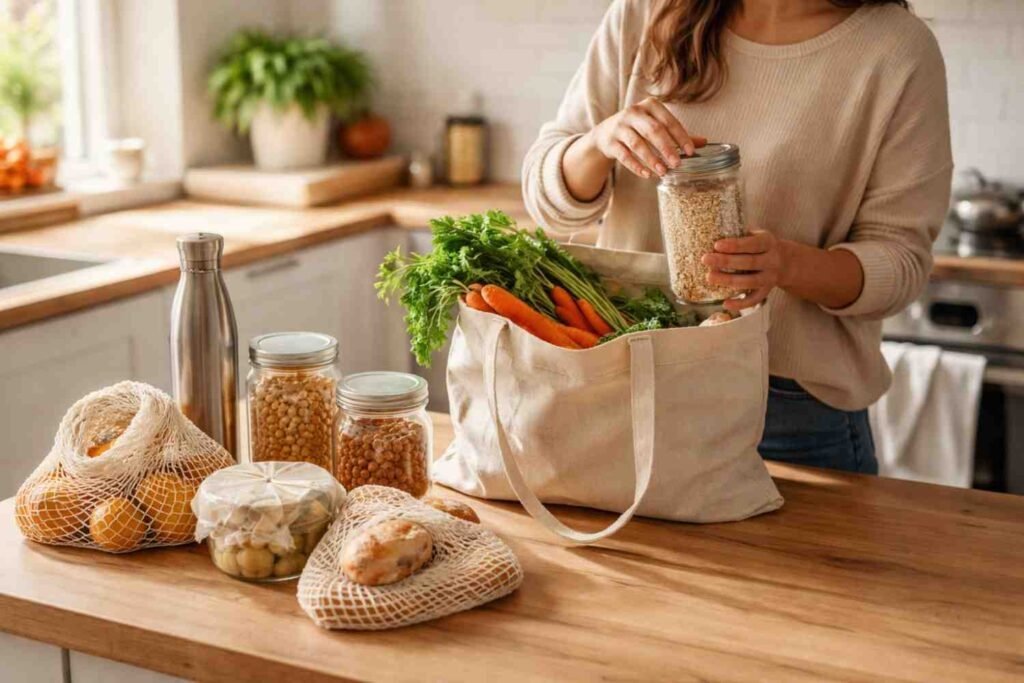
- Carry reusable grocery bags, so you’re never relying on plastic at checkout
- Buy in bulk for everyday items like grains, pasta, and snacks
- Choose loose fruits and vegetables instead of pre-packaged options
- Use refill stations for products like soap, detergent, and cleaning supplies
The key is making these habits convenient. Keep bags where you won’t forget them. Plan ahead just enough to avoid last-minute plastic-heavy purchases.
Personal Care And Home Swaps That Add Up
Plastic use doesn’t stop in the kitchen. Bathrooms and cleaning routines are full of single-use packaging that often goes unnoticed.
Simple switches can make a noticeable difference over time. Bar soaps and shampoo bars replace multiple plastic bottles. Bamboo toothbrushes reduce long-term waste. Even choosing products without microplastics helps reduce environmental impact in a way most people don’t think about.
For cleaning, using refillable bottles or making basic cleaners at home can cut down repeated plastic purchases. These changes are easy to maintain once they become part of your routine.
The Real Shift: Changing How You Think About Convenience

Most plastic use is driven by convenience. It’s quick, easy, and everywhere. But that convenience comes with a cost that builds up over time.
What helped me the most was rethinking convenience not as what’s easiest in the moment, but what works best long term. Cooking more often instead of relying on packaged food. Carrying a few reusable essentials. Slowing down just enough to make a better choice.
Another overlooked area is clothing. Synthetic fabrics release microplastics when washed. Choosing natural materials like cotton or wool is a small shift, but it contributes to reducing plastic in ways that aren’t immediately visible.
FAQs: Smart Ways To Reduce Plastic Use Daily In Your Everyday Routine
1. How can I reduce plastic use daily without changing my lifestyle too much?
Start with simple swaps like a reusable bottle, grocery bags, and food containers. These changes fit into your routine without requiring major adjustments.
2. What is the most effective way to cut down plastic use quickly?
Focus on single-use plastics. Replacing items you use daily like bottles, bags, and packaging, creates the fastest impact.
3. Are reusable products really worth it?
Yes. They last longer, reduce waste, and often save money over time by eliminating repeated purchases of disposable items.
4. How do I stay consistent with reducing plastic use?
Make it convenient. Keep reusable items where you need them, and build habits around your existing routine so it feels natural.
Final Thoughts
Reducing plastic use daily isn’t about being perfect or doing everything at once. It’s about noticing patterns and making better choices within them. Once you become aware of how often plastic shows up in your routine, it becomes easier to replace it with something more sustainable. The changes don’t have to be dramatic to be effective; they just have to be consistent.
Over time, those small decisions reshape how you live. You buy less, waste less, and rely more on things that actually last. And that shift, more than anything else, is what makes the difference.