
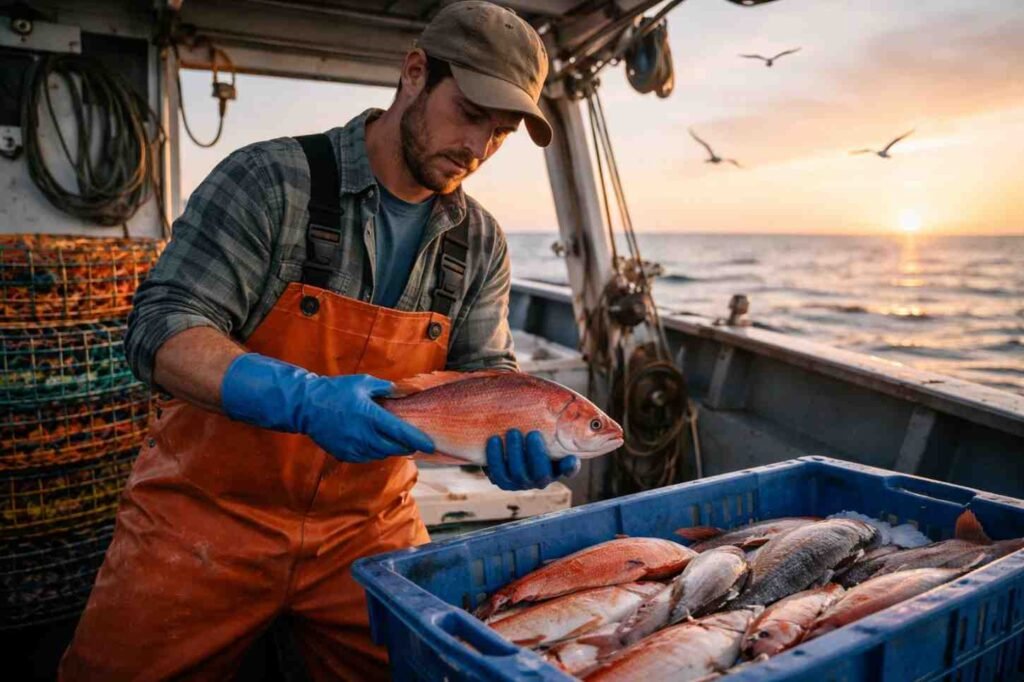
Seafood used to feel limitless. Walk into any grocery store or restaurant a decade ago, and the assumption was simple: the ocean would always provide. But behind the scenes, fisheries were facing pressure that most consumers never saw: declining fish populations, damaged habitats, and supply chains struggling to keep pace with growing demand. The conversation around seafood has quietly shifted since then, moving from extraction to responsibility.
Today, sustainable fishing practices are reshaping how seafood reaches our plates. What once focused on catching as much as possible now prioritizes balance, protecting ecosystems while maintaining reliable food systems. The change isn’t theoretical anymore. It’s influencing fishing technology, seafood markets, aquaculture innovation, and even how younger consumers decide what to buy.
Why Seafood Systems Needed to Change
For years, industrial fishing relied heavily on historical catch patterns rather than real-time ecological data. As demand increased, many fisheries pushed beyond natural recovery limits, leading to reduced fish stocks and unstable harvest cycles. The result wasn’t just environmental damage; it also created economic uncertainty for fishing communities and suppliers.
Sustainable fishing practices emerged as a response to this imbalance. Instead of maximizing short-term yield, fisheries began focusing on long-term fish population health. The goal is straightforward: allow species to reproduce at a rate that keeps ecosystems stable while ensuring seafood remains available for future generations.
This shift aligns closely with growing concerns about global food security. With population projections continuing to rise, seafood remains one of the most efficient protein sources available. Maintaining healthy oceans is no longer just an environmental issue; it’s a food supply necessity.
Science Is Now Driving Modern Fisheries

One of the biggest transformations comes from data-driven fisheries management. Modern systems rely on biological monitoring rather than guesswork, allowing regulators and fisheries to adjust catch limits based on real ecosystem conditions.
Two approaches now shape responsible fishing operations:
- Maximum Sustainable Yield (MSY): Determines how much fish can be harvested without harming long-term population recovery.
- Ecosystem-Based Fisheries Management (EBFM): Looks beyond individual species and considers predator relationships, habitats, and environmental changes.
Real-time monitoring tools have made these models practical. Satellite tracking, vessel monitoring systems, and AI-supported analytics help detect illegal or unreported fishing activity while improving transparency across supply chains. Instead of reacting to ecosystem collapse, fisheries can now prevent it.
Smarter Gear Is Reducing Environmental Harm

Fishing technology itself has evolved significantly. Traditional methods often captured unintended species, a problem known as bycatch, which disrupted marine biodiversity and wasted resources.
New eco-friendly fishing techniques focus on precision rather than volume. Selective gear innovations now help fishermen target specific species while protecting others. Devices designed to allow turtles and non-target animals to escape, acoustic deterrents that keep marine mammals away from nets, and visual line systems that prevent seabird entanglement have reduced unintended catches.
These changes may sound technical, but their impact is practical: healthier ecosystems recover faster, and fisheries maintain stable harvest levels over time.
Protected Ocean Areas Are Rebuilding Fish Populations

Another major driver behind sustainable fishing practices is the expansion of marine protected areas. Certain zones restrict or completely prohibit fishing activity, allowing habitats to recover without human pressure.
When ecosystems stabilize inside protected zones, fish populations often expand outward into surrounding waters. This “spillover effect” improves fishing productivity nearby while preserving biodiversity within protected habitats.
Communities that once resisted fishing limits increasingly recognize the long-term benefits. Healthier ecosystems tend to produce more consistent yields, reducing the boom-and-bust cycles that previously defined many fisheries.
Market Demand Is Accelerating Sustainable Seafood

Consumer behavior has become one of the strongest forces pushing change across the seafood industry. Buyers increasingly want traceable seafood and proof that products come from responsible sources.
This demand has reshaped supply chains in several ways:
- Retailers now prioritize certified sustainable seafood sourcing.
- Fisheries gain access to premium markets when meeting environmental standards.
- Producers investing in ethical seafood production often receive higher price stability.
The sustainable seafood market continues to expand rapidly, supported by growing consumer willingness to pay more for verified, responsible products. What started as a niche environmental movement has evolved into a mainstream purchasing expectation.
The Rise of Sustainable Aquaculture
Wild fisheries alone cannot meet rising seafood demand, which explains the rapid growth of aquaculture. Farmed seafood now represents more than half of global production, but modern systems look very different from early fish farming operations.
New sustainable aquaculture practices aim to reduce waste, conserve resources, and mimic natural ecosystems. Recirculating Aquaculture Systems reuse water through filtration technology, dramatically lowering environmental impact. Integrated multi-species farming combines fish, shellfish, and seaweed so that waste from one species becomes nutrients for another.
These systems improve efficiency while reducing pressure on wild fish populations, helping stabilize the broader seafood supply chain.
Alternative Seafood Is Entering the Conversation
As fishing practices evolve, innovation is expanding beyond traditional seafood entirely. Researchers and food companies are exploring alternative proteins and ways to reduce plastic waste, designed to reduce dependence on wild catches.
Microalgae-based seafood alternatives are emerging as low-impact protein sources requiring far less land and water than traditional agriculture. At the same time, plant-based seafood options continue gaining traction among younger consumers seeking environmentally conscious food choices.
While alternatives won’t replace fisheries anytime soon, they are becoming part of a diversified seafood future, one where sustainability includes both improved fishing and entirely new food systems.
What Sustainable Fishing Means for Everyday Consumers

The impact of sustainable fishing practices ultimately reaches consumers through availability, quality, and trust. Seafood supply chains are becoming more transparent, allowing buyers to make informed decisions without needing expert knowledge of marine science.
Choosing responsibly sourced seafood supports fisheries that prioritize long-term ecosystem health. Over time, this feedback loop encourages more producers to adopt sustainable methods, reinforcing industry-wide change.
The transformation happening today suggests seafood isn’t disappearing; it’s evolving into a system designed to last.
FAQs: How Sustainable Fishing Practices Are Changing the Future of Seafood
1. What are sustainable fishing practices?
Sustainable fishing practices are methods that allow fish populations to replenish naturally while minimizing environmental damage and protecting marine ecosystems.
2. How do sustainable fishing practices reduce overfishing?
They use science-based catch limits, monitoring technology, and ecosystem management to ensure harvesting stays within natural recovery rates.
3. Is farmed seafood part of sustainable fishing?
Yes. Modern sustainable aquaculture reduces pressure on wild fish stocks by producing seafood through controlled, environmentally responsible farming systems.
4. Why is sustainable seafood becoming more popular?
Consumers increasingly value traceability, environmental responsibility, and long-term food security, which drives demand for responsibly sourced seafood.
Final Thoughts
The seafood industry is undergoing one of its most significant transformations in decades. Sustainable fishing practices are no longer experimental ideas promoted only by environmental groups; they are operational strategies shaping how fisheries survive economically while protecting ocean ecosystems. The change feels gradual on the surface, but its long-term implications are profound: healthier oceans, more stable seafood supplies, and a system built around renewal rather than exhaustion.
Seafood’s future depends less on catching more and more and more and more on catching smarter. The shift has already begun, and its momentum continues to grow.