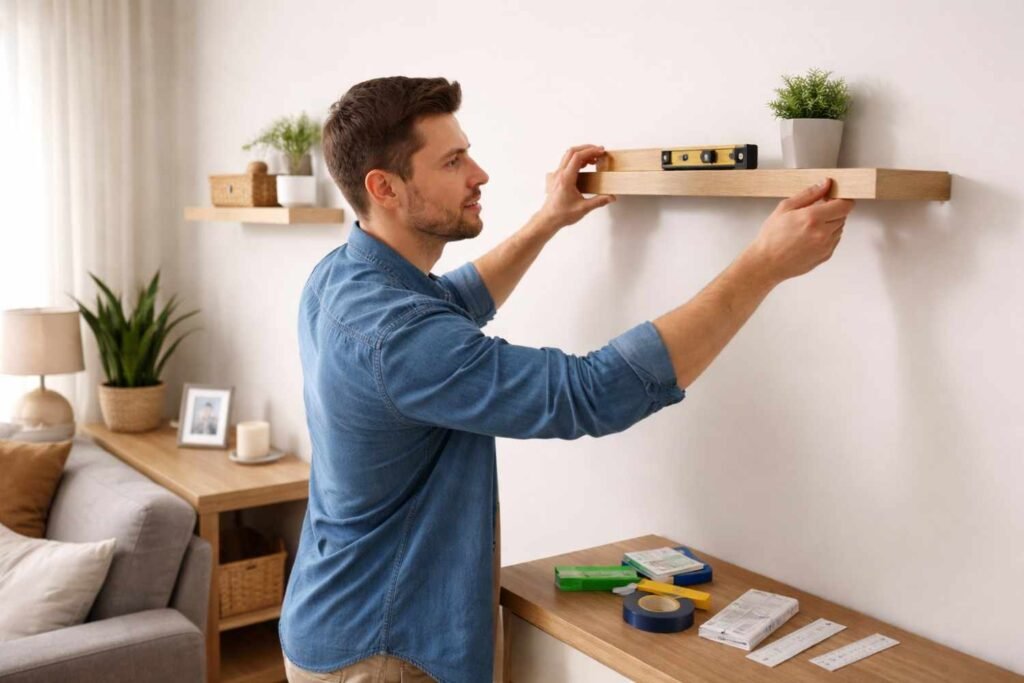
I still remember the first time I actually noticed how unsafe a home can be. Not during a big emergency but during something small. A slightly loose stair edge. A dim hallway. A rug that slipped just enough to make you lose balance for a second. Nothing dramatic, but enough to make you think.
That’s the thing about home safety. It’s rarely about big, obvious dangers. It’s about the quiet, everyday risks that build up over time. The good part? Fixing most of them doesn’t require a contractor or a huge budget. Just a bit of attention and a few simple repairs can make a real difference.
Start With What Causes The Most Accidents

Most home injuries don’t come from major failures. They come from small, preventable issues, especially slips and falls.
Bathrooms, stairs, and living areas are the usual trouble spots. And the fixes are surprisingly simple.
You can make immediate improvements by focusing on:
- Adding grab bars near showers and toilets
- Using non-skid pads or double-sided tape under rugs
- Applying non-slip treads on stairs and bathroom surfaces
- Marking stair edges with high-visibility tape
These aren’t upgrades people usually get excited about. But they’re the kind that quietly prevent accidents every single day.
Lighting Changes Everything More Than You Think

Poor lighting is one of those issues people adjust to without realizing how risky it is. You get used to dim corners. You memorize where things are. Until one day, you misstep.
Improving lighting is one of the easiest home safety repairs you can make.
Instead of overthinking it, start with areas you use daily, such as hallways, staircases, and entryways. Installing motion-sensor lights helps because you don’t have to rely on memory or switches. The light just turns on when you need it.
Switching to brighter LED bulbs also helps eliminate shadows, especially in corners where hazards tend to hide. Outside, adding motion-activated lighting not only improves visibility but also adds a layer of security without ongoing costs.
It’s a small change, but it completely shifts how safe your home feels at night.
Fix Fire And Electrical Risks Before They Become Problems

Fire safety is one area where small neglect can turn into serious consequences. And yet, most homes overlook the basics.
A lot of people install smoke detectors and forget about them. But they only work if they’re maintained.
Start with simple checks:
- Test smoke and carbon monoxide detectors monthly
- Replace batteries twice a year
- Keep a fire extinguisher in the kitchen and near high-risk areas
One repair people often ignore is the dryer vent. Lint buildup is more common than you’d think and is a known fire risk. Cleaning it out doesn’t take long, but it’s one of those low-cost home repairs that has a high safety impact.
For homes with kids, covering electrical outlets or using safer socket designs adds another layer of protection without much effort.
Secure Entry Points Without Overspending
Home safety isn’t just about accidents; it’s also about security.
Doors and windows are your first line of defense, and they don’t always need expensive upgrades to be effective.
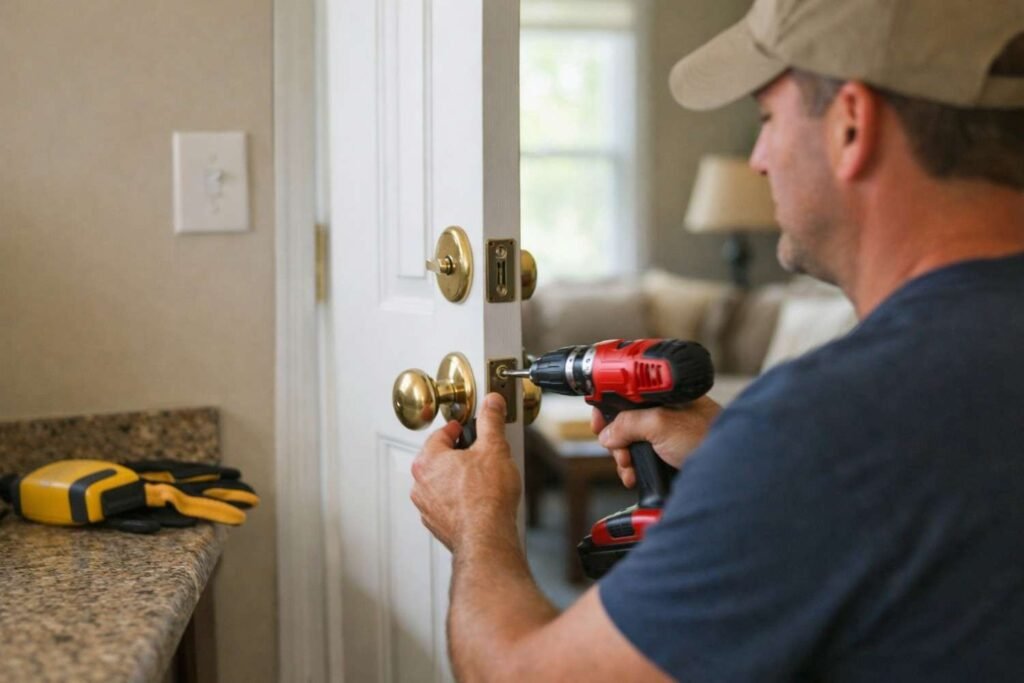
Start by checking your existing setup. Loose locks, weak latches, or misaligned doors are more common than expected.
Simple improvements include:
- Installing deadbolts or door chains
- Adding a peephole or door viewer
- Ensuring all windows have functional locks
- Using window guards where needed
These are practical, affordable fixes that improve safety without turning your home into a fortress.
Small Maintenance Tasks That Prevent Bigger Issues

Some of the most effective affordable home fixes aren’t about visible safety features. They’re about preventing problems before they grow.
Water damage, structural wear, and even pest entry often start small. And when ignored, they become expensive and unsafe.
Focus on a few basic maintenance habits:
- Seal gaps and cracks around windows and doors
- Use weatherstripping to reduce drafts and moisture entry
- Clean gutters regularly to avoid water pooling
- Trim tree branches near the house to prevent damage
- Tighten loose fixtures like handrails, knobs, and cabinet handles
These tasks don’t feel urgent, and avoid DIY mistakes. But over time, they play a big role in maintaining a safe living environment.
Why These Simple Repairs Actually Matter

It’s easy to underestimate these changes because they don’t feel dramatic. There’s no before-and-after transformation. No big reveal.
But that’s exactly why they matter.
Most safety issues don’t come with warnings. They build slowly. A slightly loose railing today becomes a fall tomorrow. A dim hallway becomes a missed step. A clogged vent becomes a hazard.
When you take care of these things early, you’re not just fixing problems; you’re removing risks before they show up.
And that’s what real DIY home safety improvements are about. Not perfection. Just awareness and action.
FAQs: Simple Repairs To Make Your Home Safer Without Breaking The Bank
1. What are the easiest home safety repairs to start with?
Start with high-impact areas like securing rugs, improving lighting, and checking smoke detectors. These are quick, low-cost fixes that immediately reduce risk.
2. How often should I check home safety features?
Basic checks like alarms, locks, and loose fixtures should be reviewed every few months. Seasonal checks for gutters and outdoor areas also help.
3. Do I need professional help for these repairs?
Most of these are simple DIY tasks. However, electrical issues or structural concerns should be handled by a professional if they go beyond basic fixes.
4. Are these repairs effective for long-term safety?
Yes. Consistent small repairs and maintenance prevent larger hazards, making your home safer over time without major expenses.
Final Thoughts
Making your home safer isn’t about doing everything at once. It’s about noticing the small things you’ve been overlooking and taking action before they turn into real problems. Most of the risks inside a home aren’t dramatic; they’re quiet, gradual, and easy to ignore. That’s exactly why they matter. When you start fixing them one by one, you begin to see your space differently. It feels more secure, more predictable, and easier to live in.
You don’t need a big budget or a full renovation plan. Just a bit of consistency goes a long way.