Everything started to make sense once I realized that safety at home is not just about visible dangers but also about how energy is used every day. Learning how to reduce home energy safety risks helped me move from guesswork to clear, practical actions that actually protect my home and everyone in it.
Why You Must Reduce Home Energy Safety Risks Early
Ignoring small issues today can lead to serious hazards tomorrow.
Most homes operate normally even when hidden risks are building up behind the scenes. Electrical overloads, gas leaks, and poor ventilation rarely show immediate signs. Over time, these unnoticed issues increase the chances of fires, shocks, and air quality problems that can affect both safety and comfort.
Taking early action helps prevent emergencies before they start. Once I began paying attention to how energy flows through appliances and systems, it became easier to spot risks early and fix them without stress or expensive repairs.
Prevent Electrical Overloads And Fires To Reduce Home Energy Safety Risks
Simple adjustments in how appliances are used can significantly lower fire risks.
One Heat Device Per Outlet
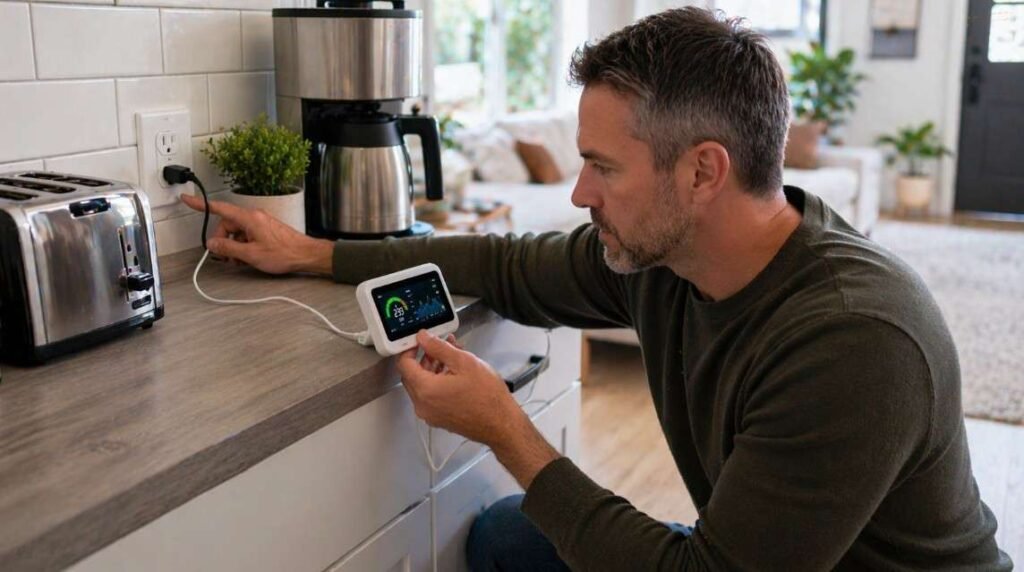
Avoid plugging multiple high power appliances into a single outlet. Appliances like toasters, coffee makers, and space heaters draw a large amount of power. Plugging more than one into the same outlet creates excess heat and increases the risk of circuit overload. This is one of the most common causes of electrical fires in homes.
Keeping one heat producing device per outlet reduces strain on wiring and allows electricity to flow safely. This small habit change is one of the easiest ways to improve safety immediately.
Plug Major Appliances Into Wall Outlets
Large appliances should always connect directly to the wall. Refrigerators, washing machines, and dryers require consistent power flow that extension cords cannot safely handle. Using power strips or cords for these appliances increases the chances of overheating and damage to internal wiring.
Direct wall connections provide stable energy flow and reduce the risk of overheating. It also helps appliances perform efficiently without unnecessary strain.
Limit Extension Cord Use
Temporary solutions should not become permanent setups. Extension cords are useful for short term needs but not for long term use. Running them under rugs or furniture traps heat and damages insulation over time. This creates hidden fire hazards that are easy to overlook.
Using proper outlets instead of relying on extension cords helps maintain a safer environment. It also reduces clutter and makes your electrical system more reliable.
Mitigate Shock And Water Risks
Water and electricity together create some of the most dangerous situations at home.
Install GFCI Outlets
Special outlets can instantly prevent electrical shocks. Ground Fault Circuit Interrupter outlets are designed to shut off power the moment they detect a fault. They are essential in areas like kitchens, bathrooms, and garages where moisture is common.
Installing these outlets adds a layer of protection that works automatically. It is one of the smartest upgrades you can make for long term safety.
Keep Hands Dry Around Electricity
A simple habit can prevent serious accidents. Touching switches or appliances with wet hands increases the risk of electrical shock. This is especially dangerous near sinks or in humid areas where moisture is present.
Making it a routine to dry your hands before using any electrical device reduces this risk significantly. It is a small step that has a big impact on everyday safety.
Unplug Small Appliances After Use
Idle appliances can still pose risks. Devices like hair dryers, kettles, and toasters should not remain plugged in when not in use. Power surges or accidental contact with water can turn these everyday items into hazards.
Unplugging them not only reduces energy waste but also lowers the chances of unexpected accidents. Over time, this habit becomes second nature.
Address Gas And Air Quality Hazards
Energy safety is not just about electricity. Gas and air quality also play a critical role.
Check Gas Flame Color
Flame color can indicate hidden problems. Gas appliances should produce a steady blue flame. A yellow or orange flame suggests incomplete combustion, which can release harmful gases into your home.
Regularly checking flame color helps identify issues early. If anything looks unusual, getting it inspected by a professional ensures safe operation.

Maintain Smoke And CO Detectors
Early warnings save lives. Smoke detectors and carbon monoxide alarms should be installed on every level of your home. Testing them monthly ensures they are working when needed most.
Replacing batteries regularly keeps these devices reliable. They act as your first line of defense against invisible dangers.
Ensure Proper Ventilation
Airflow plays a major role in safety. Keeping flammable items away from heat sources like furnaces and water heaters reduces fire risks. Cleaning dryer lint filters after every use prevents buildup that can ignite easily. Proper ventilation allows heat and gases to disperse safely. This creates a healthier and more secure living environment.
Warning Signs That Show
Recognizing early signals can prevent major damage. Warm or discolored outlets are often signs of overheating. Flickering lights when appliances turn on indicate unstable power flow. Burning or rubber like smells suggest wiring problems that should never be ignored.
Frequent breaker trips or blown fuses point to overloaded circuits. If any of these signs appear, stopping use immediately and consulting a licensed electrician is the safest choice.

How To Reduce Home Energy Safety Risks Step By Step
A structured approach makes safety easier to manage and maintain.
- Start by walking through your home and identifying areas with heavy appliance use such as kitchens and laundry spaces. Check each outlet and ensure that high power devices are not sharing the same connection. Replace any damaged cords or plugs you find instead of postponing repairs.
- Next, evaluate moisture prone areas and install GFCI outlets where needed. Begin unplugging small appliances after each use and avoid charging devices overnight unnecessarily. These simple changes reduce both electrical load and potential hazards.
- Finally, inspect gas appliances and ventilation systems regularly. Test smoke and carbon monoxide detectors every month and keep flammable materials at a safe distance from heat sources. By following these steps consistently, you create a system that helps you actively reduce home energy safety risks over time.
Frequently Asked Questions
1. What Is The Best Way To Reduce Home Energy Safety Risks?
Focus on safe appliance usage, proper wiring, and regular maintenance to prevent electrical and gas hazards effectively.
2. How Often Should I Check My Electrical System?
A basic visual check should be done monthly, while professional inspections are recommended every few years.
3. Are Extension Cords Safe For Daily Use?
They are safe for temporary use only and should not replace permanent wiring solutions.
4. Do Smart Devices Help Improve Energy Safety?
Yes, they help monitor usage and identify unusual patterns that may indicate potential risks.
No More Energy Safety Risks
Creating a safer home does not require complicated upgrades or expensive systems. It starts with awareness and consistent habits that improve how energy is used every day. Once I began focusing on practical steps, everything felt more controlled and predictable.
Choosing to reduce home energy safety risks is not just about prevention, it is about building a home environment that stays safe, efficient, and reliable over time.