I still remember the moment my laptop charger sparked while I was working late. It wasn’t dramatic, but it shook me enough to rethink how I use electricity at home. That’s when I decided to learn how to prevent home power hazards easily without turning my house into a complicated setup.
Since then, I’ve built a simple routine that keeps my home safe without stress. You don’t need technical knowledge or expensive upgrades. You just need awareness and a few smart habits that actually fit into your daily life.
Manage Outlets And Power Strips To Prevent Home Power Hazards Easily
One of the biggest mistakes I used to make was overloading outlets without even realizing it. Plugging multiple devices into one spot felt convenient, but it quietly increased the risk of overheating.
Now I follow a simple rule. I plug major appliances like refrigerators, microwaves, and washing machines directly into wall outlets. These devices draw a lot of power, and giving them their own outlet keeps things stable and safe.
I also avoid using more than one heat-producing appliance on the same outlet. Things like toasters, coffee makers, and air fryers generate heat quickly. Using them together can push the circuit beyond safe limits and cause problems.
Avoid Unsafe Cord Habits In Daily Life
Cords used to be something I ignored until I realized they are one of the most common sources of electrical hazards. Damaged or poorly placed cords can easily lead to sparks or shocks.
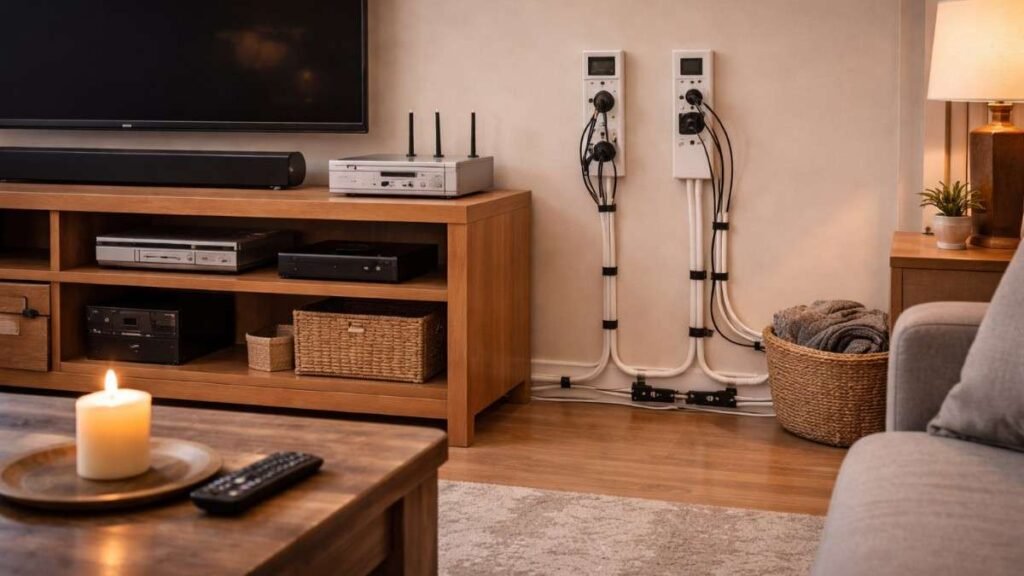
I stopped running cords under rugs and furniture because it traps heat and damages insulation over time. Instead, I keep cords visible and neatly arranged so I can spot wear and tear early.
Another habit I changed was how I unplug devices. I always pull from the plug, not the cord. This small shift protects the internal wiring and extends the life of the device while helping me prevent home power hazards easily.
Protect Against Water And Shock In Key Areas
Electricity and water do not mix. This became very clear to me once I started paying attention to how I use devices in kitchens and bathrooms.

I made sure that all outlets in wet areas are protected with GFCI outlets. These outlets shut off power instantly if they detect a problem, which adds a strong layer of protection. I also built a simple habit of drying my hands before touching switches or appliances. It sounds basic, but it reduces risk significantly and keeps things under control in everyday situations.
Follow Safe Appliance Habits For Long-Term Protection
Appliances are part of daily life, but they need space and proper handling. I used to leave small appliances plugged in all the time without thinking twice. Now I unplug items like kettles, hair dryers, and toasters after use. This reduces the chance of accidental overheating and even helps save energy.
I also check wattage before using light bulbs. Using the correct wattage prevents overheating inside fixtures. Giving appliances enough space for airflow also helps them run safely without building up heat.
How To Prevent Home Power Hazards Easily
The process I follow today is simple and repeatable.

I start by walking through my home and identifying areas where too many devices are connected to one outlet. I fix those spots by redistributing the load or using safer setups.
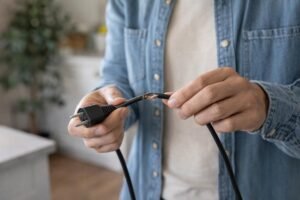
Next, I check cords and plugs closely. If I notice fraying, loose connections, or discoloration, I replace them immediately. I treat small issues as urgent because they can turn into bigger problems quickly.
Then I upgrade important areas with safety tools like surge protectors and GFCI outlets. These upgrades act as a backup layer of protection and give me peace of mind.
Finally, I stick to a routine. Once a month, I do a quick check of outlets, cords, and appliances. This habit helps me prevent home power hazards easily without spending hours on maintenance.
Warning Signs That Need Immediate Attention
Your home usually gives you signals before something goes wrong. Learning to recognize these signs has made a big difference for me.
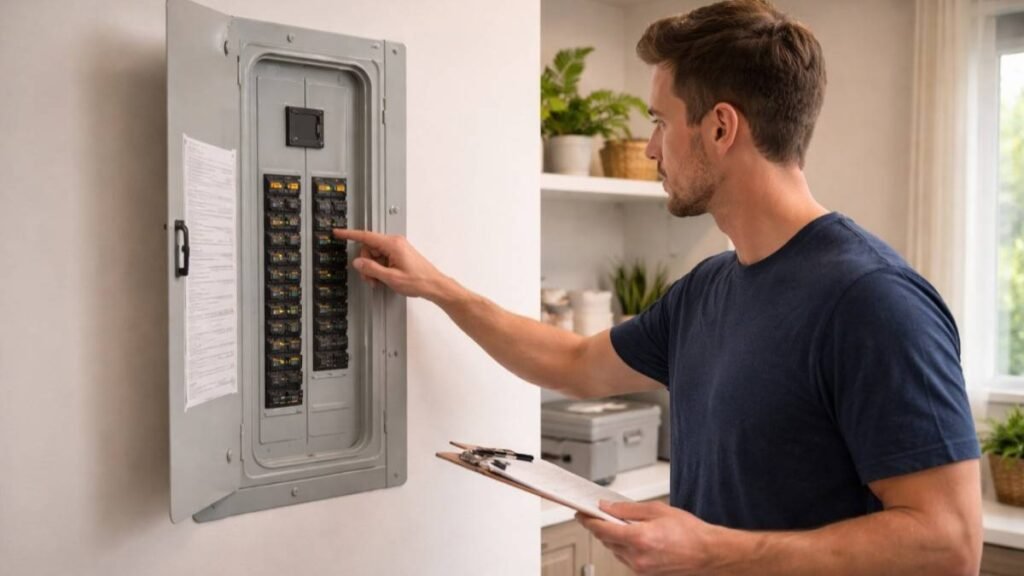
If I notice flickering lights, buzzing sounds, or outlets that feel warm, I take it seriously. These are early warning signs that something needs attention. I do not hesitate to call an electrician if something feels off. Acting early prevents bigger risks and keeps my home environment safe and stable.
Simple Tools That Improve Electrical Safety
I rely on a few practical tools that make safety easier without complicating things. Surge issues are common at home. Surge protectors help protect devices from sudden voltage spikes.
GFCI outlets are essential in areas with water exposure. Smart plugs allow me to control devices and avoid overloading circuits. Even something as simple as a cord organizer helps prevent damage and keeps everything neat. These tools support my routine and make safety feel effortless.
| Tool | Why I Use It | Benefit |
| Surge Protector | Protects devices | Prevents voltage spikes |
| GFCI Outlet | Bathroom & kitchen use | Stops shock risks |
| Smart Plug | Controls power remotely | Reduces overload |
| Cord Organizer | Keeps cables neat | Avoids damage |
Frequently Asked Questions
1. Can I prevent home power hazards easily without upgrades?
Yes, basic habits like managing outlets and checking cords make a big difference. Simple changes often provide strong protection.
2. What is the most common electrical hazard at home?
Overloaded outlets and damaged cords are the most common issues. They often go unnoticed until they become serious.
3. How often should I inspect my home?
I check my home once a month. A quick routine helps catch problems early and keeps everything safe.
4. Are extension cords safe for long-term use?
Extension cords are best for temporary use. Long-term use usually means you need additional outlets installed.
Prevent Home Power Hazards Easily
What I’ve learned over time is that safety comes from consistency, not complexity. When you build small habits and stay aware, you naturally prevent home power hazards easily without stress. Start with one room, fix one habit, and keep going. Your future self will thank you for creating a safer, smarter home environment.