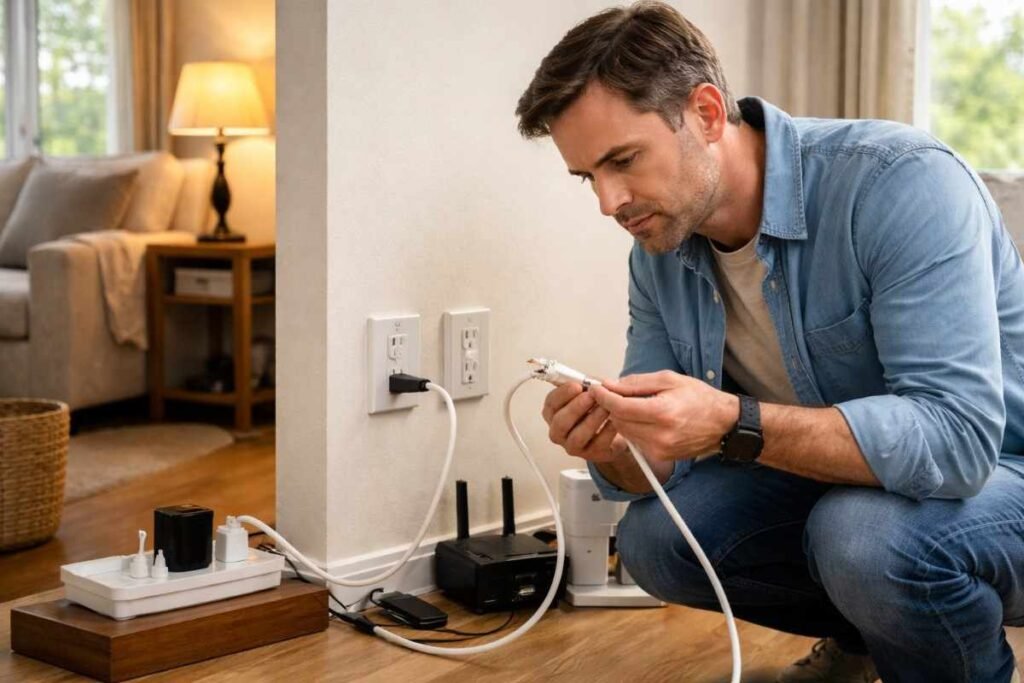
I still remember the day my kitchen lights suddenly flickered while I had my toaster, kettle, and microwave running together. It felt harmless at first, until the breaker tripped and everything went dark. That moment pushed me to seriously learn how to reduce electricity risks, and honestly, it changed how I look at everyday habits around my home.
Understanding How To Reduce Electricity Risks Starts With Awareness
Most people think electrical hazards happen suddenly, but that is rarely true. In my experience, risks build slowly through small habits like overloading outlets or ignoring worn-out cords.
Once I became aware, I started noticing things I had overlooked for years. Warm switches, flickering lights, and buzzing sounds were early warning signs I had ignored.
Understanding how to reduce electricity risks begins with recognizing these signals early. When you catch problems early, you prevent bigger issues later.
How To Reduce Electricity Risks By Maintaining Cords And outlets
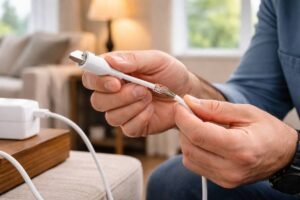
Inspect cords regularly for damage
One of the first habits I built was checking cords around my house. Cracked insulation or frayed wires can expose live electricity and serious power hazards. Now, I do a quick check every few weeks. If I see any damage, I replace the cord immediately instead of waiting.
Avoid overloading outlets and power strips
I used to plug multiple devices into one outlet without thinking. This creates heat buildup and increases the risk of fire.
Spreading devices across multiple outlets made a big difference. It is a simple step when learning how to reduce electricity risks.
Ensure plugs fit tightly and safely
Loose plugs can spark or overheat. I replaced a few old outlets in my home where plugs did not fit snugly. I also stopped running cords under rugs. It might look neat, but it traps heat and damages wires over time.
How To Reduce Electricity Risks Using Protective Safety Devices
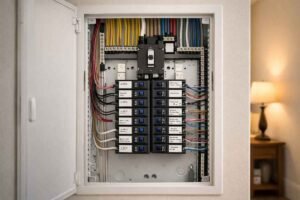
Install GFCI outlets in high-risk areas
GFCI outlets are essential in areas like kitchens and bathrooms. They shut off power instantly if a fault is detected. After installing them near my sink, I felt much safer using appliances around water.
Use AFCI breakers to prevent hidden fire risks
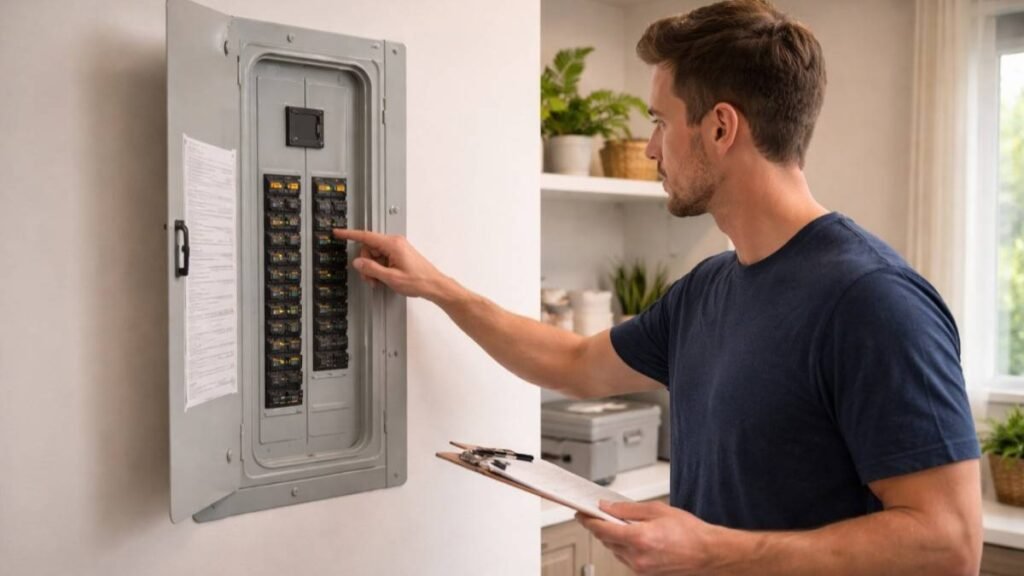
AFCI breakers detect electrical arcs inside walls. These arcs are invisible but can cause fires if ignored. Learning about these devices helped me understand how to reduce electricity risks beyond what I can see.
Add surge protectors for electronics
Power surges can damage devices and create hazards. I now use surge protectors for my TV, computer, and other electronics. This small upgrade protects both my devices and my home’s safety.
How To Reduce Electricity Risks Through Safe Daily Habits
Keep water away from electrical devices
Water and electricity are a dangerous combination. I never handle appliances with wet hands anymore. Even small spills near outlets can create serious risks, so I stay cautious.
Unplug unused appliances regularly
Leaving devices plugged in can still pose a risk. I now unplug items like toasters and irons when not in use. This habit not only improves safety but also saves energy.
Handle plugs correctly to avoid damage
Pulling cords instead of plugs can damage internal wiring. I make sure to hold the plug itself when removing it. This small change helps maintain cord integrity and reduces risk.
How To Reduce Electricity Risks During Outdoor And Extreme Conditions
Stay alert around power lines
I never used to think about power lines while working outside. Now I always keep tools and ladders at a safe distance. Maintaining awareness is a key part of understanding how to reduce electricity risks outdoors.
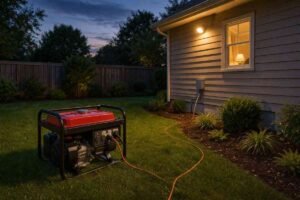
Use generators safely during power outages
Generators must always be used outdoors and away from windows. This prevents harmful fumes from entering the home. I learned this the hard way during a storm, and now I never compromise on this rule.
Call before digging to avoid underground hazards
Before doing any yard work, I make sure to check for underground lines. This step can prevent serious accidents. It is a simple precaution that many people overlook.
How To Reduce Electricity Risks Step By Step At Home
When I decided to take action, I followed a simple process.
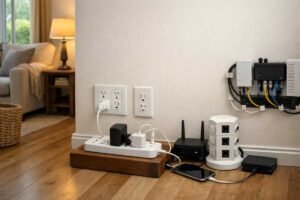
First, I walked through each room and identified risky areas like overloaded outlets and damaged cords.
Next, I prioritized fixes. I replaced faulty cords, reorganized power usage, and added surge protection where needed.
Then I upgraded safety devices like GFCI outlets in wet areas. These changes were gradual, which made them easy to manage.
Finally, I scheduled a professional inspection. Even after learning how to reduce electricity risks, having an expert check everything gave me peace of mind.
Why Learning How To Reduce Electricity Risks Protects Your Home And Budget
One thing I did not expect was how much money I saved. Electrical issues often lead to expensive repairs or damaged appliances.
By preventing problems early, I avoided those unexpected costs. It is not just about safety, it is also about smart home management.
When your system runs efficiently, it uses energy better. This reduces strain and improves long-term performance.
Learning how to reduce electricity risks also extends the life of your devices, which saves money over time.
Small Changes That Create Big Safety Improvements
| Before | After |
| Overloaded outlets | Balanced usage |
| Damaged cords | Replaced safely |
| No surge protection | Protected devices |
| Ignored warning signs | Regular checks |
These small adjustments made my home safer and more efficient.
Frequently Asked Questions
1. What is the easiest way to reduce electricity risks?
Start by checking cords, avoiding overload, and unplugging unused devices. These simple steps improve safety quickly.
2. Do surge protectors really help?
Yes, they protect devices from voltage spikes and reduce the risk of electrical damage and fire.
3. How often should I inspect my home?
I do a quick check monthly and a detailed inspection once a year.
4. When should I call an electrician?
If you notice sparks, burning smells, or frequent breaker trips, call a professional immediately.
Final Thoughts
Learning how to reduce electricity risks changed how I manage my home every day. It is not about complex upgrades but about awareness and consistent habits. Start small, fix what you notice, and stay proactive. A safer home is built step by step, and every smart choice you make today protects you tomorrow.