I still remember the day I stared at my overflowing closet and thought, “Why do I keep buying things I barely wear?” That moment pushed me toward an eco fashion lifestyle for beginners, and I quickly realized it is not about perfection or expensive brands. It is about simple, smart habits that make your wardrobe more meaningful and less wasteful.
Mindset Over Spending
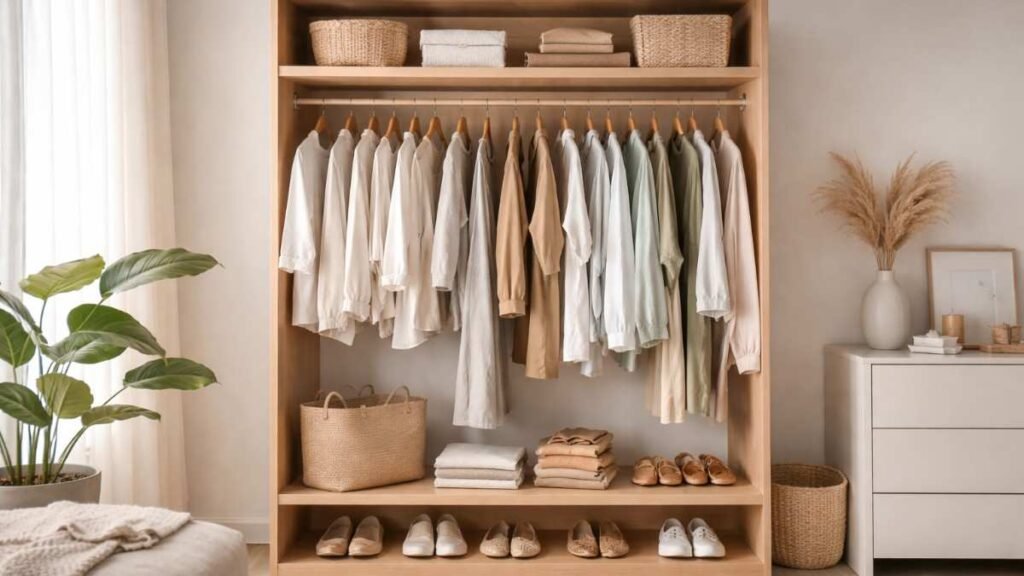
When I first explored sustainability, I assumed I needed to replace everything I owned. That idea felt overwhelming and expensive. Over time, I learned that the most sustainable garment is the one already sitting in your closet.
This shift in thinking changed everything. Instead of chasing new items, I focused on using what I had. It felt lighter, more intentional, and surprisingly satisfying to make the most of my existing wardrobe.
Build Small Consistent Habits

You do not need a big budget to start. What you need is consistency. Small changes like wearing items more often or skipping unnecessary purchases create real impact over time. I started by slowing down my buying decisions. Even waiting a day before purchasing helped me avoid impulse shopping. These small habits added up and made my wardrobe more functional and less cluttered.
Core beginner strategies that make a real difference
The first thing I did was shop my own closet. I pulled everything out and experimented with combinations I had never tried before. It felt like discovering new outfits without spending anything. I also followed the 30 wear rule. Before buying anything, I asked myself if I would wear it at least 30 times. This simple question stopped me from buying trend driven pieces that would quickly lose their appeal.
Choosing quality over quantity became my next step. I started investing in a few versatile pieces instead of multiple cheap items. I also explored secondhand options through apps and local stores, which made sustainable fashion more affordable.
Use Secondhand and Repairs
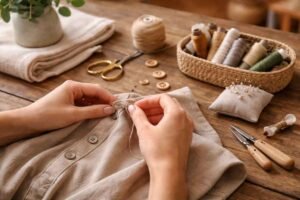
At first, thrifting felt unfamiliar. I did not know where to look or what to pick. But once I tried it, I realized how many high quality pieces are available at lower prices. I also learned basic mending skills. Sewing a loose button or fixing a hem saved clothes that I would have otherwise thrown away. These small efforts extended the life of my wardrobe significantly.
Understand Sustainable Brands
Eventually, there are moments when you do need to buy something new. That is when understanding sustainable brands becomes important. Not every brand that claims to be eco friendly actually follows ethical practices.
I learned to look beyond marketing words. Terms like “natural” or “green” do not always mean anything unless backed by proof. This awareness helped me avoid falling into greenwashing trap.
How to identify truly sustainable brands
I started checking materials first. Natural fibers like organic cotton, linen, hemp, and Tencel tend to be more sustainable than synthetic options that release microplastics.
Then I looked for certifications. Labels like GOTS, Fair Trade, and B Corp gave me confidence that the brand follows ethical and environmental standards. These markers made my shopping decisions clearer and more informed.
Beginner friendly sustainable brands to explore
Some brands made it easier for me to transition. Pact offered affordable organic basics that fit into everyday wear. Everlane stood out with its transparent pricing and timeless designs.
Organic Basics became my go to for essentials. Their focus on durability and sustainability made them a reliable choice when I needed to replace something.
Improve Clothing Care Habits
One of the most overlooked aspects of sustainability is how we care for our clothes. I used to wash everything after one wear without thinking twice. Now I wash only when necessary and use cold water. This helps preserve fabric quality and reduces energy usage. It also keeps clothes looking new for longer.

I stopped using the dryer whenever possible and switched to air drying. This reduced wear and tear on my clothes and saved energy at the same time. I also chose gentle detergents without harsh chemicals. This not only protects fabrics but also reduces environmental impact. These small adjustments made a noticeable difference.
How to Start Eco Fashion Lifestyle Step by Step
When I started, I kept things simple. First, I audited my closet and identified what I actually wore. This gave me clarity on my style and needs.
Next, I created a small rotation of outfits using my favorite pieces. This helped me avoid unnecessary purchases and build a more intentional wardrobe. Then I set clear rules for shopping. I avoided impulse buys and focused on versatile items that worked with multiple outfits. This reduced clutter and improved my overall style.
Finally, I improved how I cared for my clothes. Washing less, air drying, and repairing items became part of my routine. These steps made my eco fashion journey practical and sustainable.
Long Term Benefits of Eco Fashion Lifestyle
One of the biggest benefits I noticed was saving money. When you stop buying unnecessary items, your expenses naturally decrease. You can dress minimally yet stylish with sustainable fashion. It also reduced stress. A smaller, well planned wardrobe made daily decisions easier. I spent less time worrying about what to wear and more time enjoying my day.
Avoid Common Beginner Mistakes
Trying to do everything at once is a common mistake. Sustainability is a journey, not a quick fix. Start small and build habits gradually.
Another mistake is trusting every eco label. Always look for proof and transparency before making a purchase. Being mindful helps you make better decisions.
Frequently Asked Questions
1. What is eco fashion lifestyle for beginners in simple terms?
It means buying less, using what you have, and making thoughtful choices about clothing to reduce waste and environmental impact.
2. Do I need a big budget to start?
No, you can begin by using your current wardrobe and making smarter decisions. Sustainability is about habits, not spending more money.
3. How can I avoid greenwashing when shopping?
Check materials, certifications, and brand transparency. Avoid vague claims that lack clear proof of sustainability.
4. Can eco fashion really save money
Yes, buying less and extending the life of your clothes helps you spend less over time while maintaining a functional wardrobe.
A Smarter Way To Dress And Live
Adopting an eco fashion lifestyle for beginners made my life simpler and more intentional. I stopped chasing trends and started valuing what I already owned. If you begin with one habit today, let it be this pause before buying anything new. That single step can completely reshape how you see fashion and your role in it.