
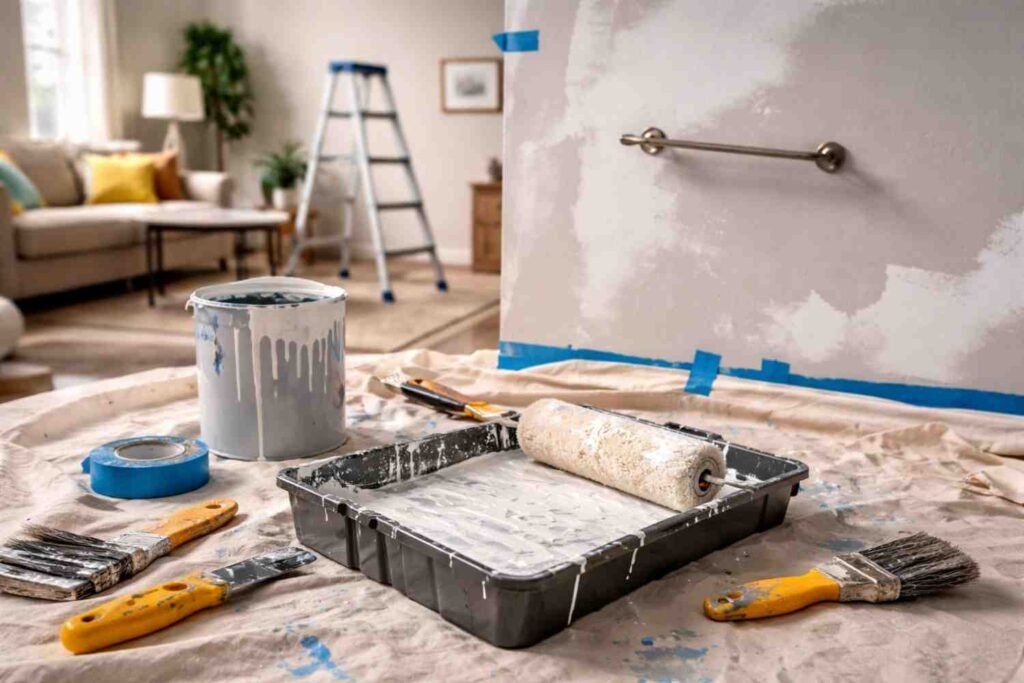
You don’t really notice the difference between an average DIY job and a clean, professional finish until you’ve messed one up yourself. I remember painting a wall once that looked perfect… until the light hit it the next morning. Uneven texture, patchy spots, and tiny bumps everywhere. That’s when it clicked that what you don’t see during the process matters more than what you see at the end.
Most people think DIY success comes down to creativity or effort. It doesn’t. It comes down to small technical steps that feel boring, slow, or unnecessary. Skip those, and no matter how good your idea is, the result will always look slightly “off.” That’s exactly where most DIY mistakes happen.
Why Most DIY Projects Don’t Look Professional

The biggest gap between a DIY result and a professional finish isn’t talent, it’s discipline. Professionals follow systems. They don’t rush prep, they use the right tools, and they don’t guess measurements.
At home, it’s easy to:
- Rush because you want to see results quickly
- Use whatever tools are already lying around
- Assume small details won’t matter
But those “small” shortcuts are exactly what show up later as uneven paint, crooked shelves, or finishes that don’t last.
Skipping Surface Prep (The Most Common Mistake)
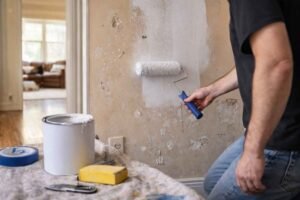
This is where most projects quietly fail before they even begin. Surface prep feels like wasted time, but it’s actually where the final result is decided.
If a wall, cabinet, or piece of furniture isn’t prepped properly, nothing you add later will fix it.
Here’s what usually goes wrong:
- Not cleaning the surface
Dust, grease, or even fingerprints can stop paint or finishes from sticking properly. That’s when you see peeling or flaking later. - Skipping sanding
Glossy or uneven surfaces need to be scuffed. Without sanding, new paint just sits on top instead of bonding. - Ignoring cracks and gaps
Paint doesn’t hide imperfections it highlights them. Small dents and holes become more visible after painting.
What actually works is simple but time-consuming: clean, sand, patch, then prime. That sequence alone can completely change how “professional” your project looks.
Using The Wrong Tools And Cheap Materials
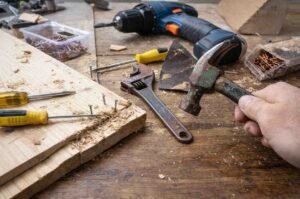
A lot of DIY frustration comes from trying to “make do” with what’s available. It feels efficient at first, but it almost always leads to messy results.
Using the wrong tools creates:
- Rough cuts
- Uneven finishes
- Damaged materials
And cheap materials? They show up fast.
Low-quality paint, for example, often needs more coats and still doesn’t give a smooth finish. Thin materials wear out quickly and start looking aged much sooner.
Another detail people overlook is paint finish selection:
- Flat/matte looks good, but stains easily
- Eggshell works better for walls
- Semi-gloss holds up better on trims and high-contact areas
Professionals don’t just pick tools; they pick the right version of each tool and material for the job.
Measuring And Leveling Errors That Ruin Everything
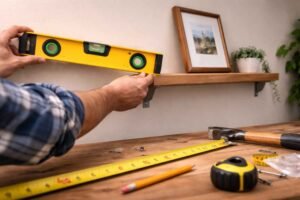
If there’s one thing that instantly exposes a DIY job, it’s poor alignment. Even a slight tilt or uneven spacing becomes obvious once everything is in place.
The classic rule still holds: measure twice, cut once.
But in real scenarios, mistakes usually happen because:
- Measurements are rushed
- Tools like levels are skipped
- People rely on visual judgment instead of actual alignment
Levelling is especially critical. Whether it’s shelves, tiles, or fixtures, if it’s not level, it will always look wrong and sometimes even cause functional issues later.
Using a proper level (not guessing) is one of the easiest ways to upgrade your results.
Trying To DIY Everything (Even When You Shouldn’t)

There’s a point where DIY stops being smart and starts being risky.
Some projects look simple on the surface but involve systems that don’t tolerate mistakes.
The biggest problem areas:
- Electrical work – small errors can lead to serious hazards
- Plumbing fixes – leaks often stay hidden until major damage shows up
- Structural changes – removing or modifying walls without understanding load distribution
Another thing people ignore is compliance. Skipping permits or not following building standards can create long-term issues, especially when selling or renovating later.
Doing everything yourself might save money upfront, but fixing mistakes later usually costs more.
Cleaning Mistakes That Affect The Final Look

Even after the main work is done, cleaning mistakes can ruin the overall finish.
A polished result isn’t just about building or fixing; it’s also about how clean and sharp everything looks afterwards.
Common mistakes include:
- Cleaning in the wrong order
Always work from top to bottom. Otherwise, dust falls onto areas you’ve already cleaned. - Not giving cleaners enough time.
Many products need a few minutes to actually work. Wiping them off immediately reduces effectiveness. - Using the same cloth everywhere
This spreads dirt and bacteria instead of removing them. Different areas need separate cleaning tools.
This step often gets rushed, but it’s what makes a space feel truly finished.
The Real Difference Between DIY And Professional Results

When you step back and look at it, professional results don’t come from doing something complex. They come from doing simple lifestyle habits properly and consistently.
That means:
- Taking prep seriously
- Using the right tools instead of improvising
- Measuring carefully instead of guessing
- Knowing when to stop and call in help
It’s less about skill and more about patience and attention to detail.
FAQs: DIY Mistakes To Avoid At Home If You Want Clean, Professional Results
1. What is the most common DIY mistake at home?
Skipping surface preparation is the most common mistake. Poor cleaning, sanding, or patching leads to weak finishes that peel, crack, or look uneven.
2. Why do DIY projects look unprofessional?
Most DIY projects look unprofessional due to rushed work, incorrect tools, poor measurements, and ignoring small details that affect the final finish.
3. Is it okay to use cheap materials for DIY projects?
Cheap materials often lead to lower durability and uneven results. Investing in better-quality materials usually saves time and improves the final outcome.
4. When should you avoid DIY and hire a professional?
Avoid DIY for electrical work, plumbing, and structural changes. These areas require precision and safety standards that are difficult to manage without experience.
Final Thoughts
The truth is, most DIY mistakes don’t happen because people don’t know what to do; they happen because people skip what feels unnecessary. The invisible steps, the extra sanding, the second measurement, the better tool choice, those are the things that separate a quick fix from something that actually looks finished. Once you start paying attention to those details, the entire outcome changes.
If you slow down and focus on doing each step properly, your projects won’t just get done, they’ll actually look like they were done right.