
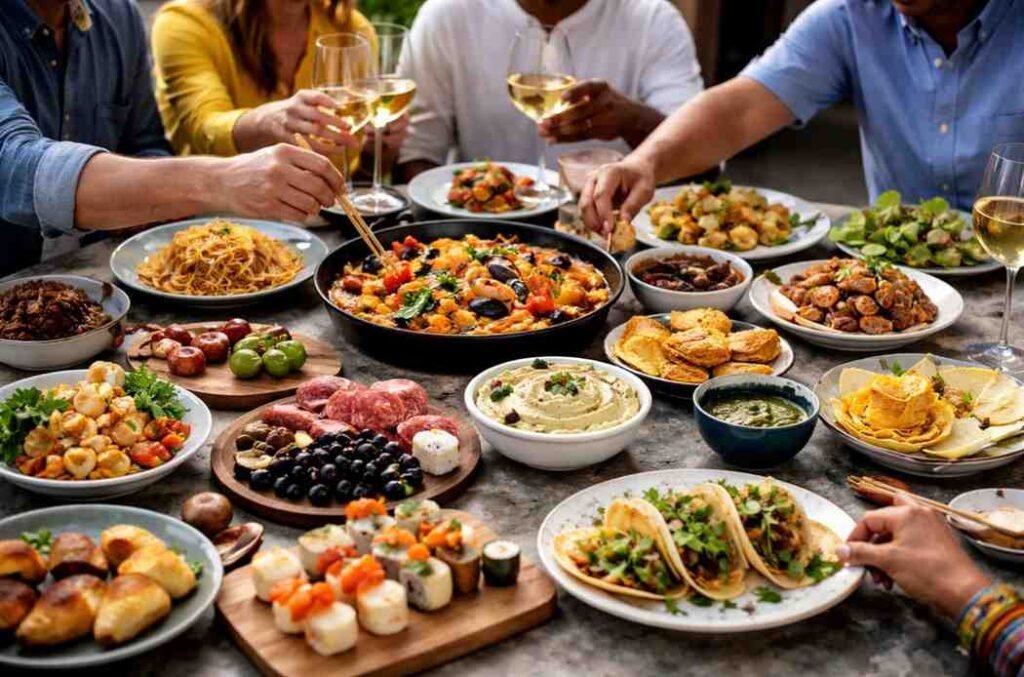
I still remember the first time I noticed how differently people approach the same dining table. At one dinner, someone complimented the food by slurping loudly. At another, a guest was quietly judged for finishing every bite. Nothing dramatic happened, yet the emotional tone of the meal shifted entirely because of small habits most of us never question at home. That’s when it becomes clear: dining etiquette isn’t really about rules, it’s about signals.
What feels polite in one place can feel careless somewhere else. The way you hold utensils, touch bread, or pause before eating often communicates respect, hierarchy, and appreciation without a single word. Understanding dining etiquette in different countries isn’t about memorizing customs. It’s about noticing the subtle social language of meals and recognizing how tiny gestures can leave lasting impressions.
Why Small Dining Habits Carry Cultural Meaning

Dining customs develop around deeper cultural values. Some cultures emphasize communal harmony and shared experience, while others highlight individual space and structured manners. That’s why the same behavior can send opposite messages depending on where you are.
In many communal food cultures, meals reinforce relationships and hierarchy. Waiting for elders, sharing platters, or eating with hands signals connection and trust. In more utensil-focused dining traditions, precision and restraint signal respect and refinement. Neither is more correct; they simply reflect different social priorities at the table.
These differences explain why seemingly minor actions, such as where your hands rest, how much food you leave, and whether you request seasoning, can feel surprisingly significant. They’re tied to ideas about respect, gratitude, and social awareness that diners absorb from childhood.
Utensil Etiquette That Hosts Notice Immediately

One of the fastest ways people read cultural awareness is through how you handle dining tools or whether you use them at all. These habits are automatic for locals but highly visible to guests.
- Chopsticks: Never place them upright in rice or pass food chopstick-to-chopstick. Both resemble funeral rituals.
- Fork and spoon pairing: In Thailand-style dining, the fork pushes food onto the spoon; the spoon goes to the mouth.
- Right-hand eating: In parts of South Asia and the Middle East, the right hand alone touches food or shared dishes.
- Bread as a utensil: Bread may accompany or scoop food rather than serve as a starter.
- Hands vs utensils: Some cuisines expect hands for specific foods; others expect utensils even for finger foods.
These are the moments when diners unconsciously evaluate familiarity with cultural dining customs. Even when conversation flows easily, tool use quietly communicates awareness or its absence.
Signals Of Appreciation: When Polite Looks Different

Many dining misunderstandings happen around expressing enjoyment. Appreciation doesn’t always look quiet and restrained; sometimes it’s audible or visible.
In some noodle-centered cuisines, slurping communicates pleasure and engagement with the dish. Silence can feel indifferent. Elsewhere, sound at the table is considered disruptive. Similarly, finishing every bite might signal gratitude in one culture but suggest the host didn’t provide enough food in another.
Requests for extra seasoning can also carry meaning. In some dining traditions, altering a dish before tasting it implies the cook misjudged flavor. In others, seasoning adjustments are a normal personal preference. These daily habits interpretation hinge on how strongly food is tied to hospitality and pride.
The pattern is consistent: behaviors linked to enjoyment often mirror how cultures define respect for the cook or host.
Social Timing And Hierarchy At The Table

Dining etiquette also governs who leads and when. Meals often reflect social order more clearly than conversation does.
In hierarchy-aware cultures, elders or hosts initiate eating. Starting early can feel impatient or disrespectful. In more individual dining settings, waiting may feel unnecessary. Even beverage timing can carry expectations; certain drinks belong to specific parts of the day or meal sequence.
Payment customs also reflect social structure. In some places, splitting a bill signals equality and independence. In others, the inviter covering the meal signals generosity and status. Neither is purely financial; both are social gestures about relationship roles.
Even posture communicates participation. Keeping hands visible on the table can signal engagement and transparency, while resting them out of sight may feel detached in some dining cultures.
Small Country-Specific Habits With Big Impact
Some of the most memorable dining etiquette moments come from hyper-specific local habits. They’re easy to miss yet highly noticeable when observed.
- Using utensils for foods typically eaten by hand can feel overly formal.
- Using hands where utensils are expected can feel careless.
- Certain foods have culturally “correct” eating methods.
- Hosts may signal continuation or closure of a meal through serving gestures.
- Restaurant systems sometimes use visual cues to indicate service pace.
These nuances show how dining etiquette in different countries extends beyond table manners into broader meal choreography, how food is served, shared, and concluded.
How Dining Etiquette Reflects Cultural Values

Looking across cultures, consistent themes emerge behind the differences:
- Respect hierarchy: Waiting, serving order, and payment customs
- Honor food: Finishing or leaving food based on belief systems
- Protect harmony: Avoiding actions that disrupt group experience
- Show appreciation: Audible or visible enjoyment signals
- Maintain cleanliness norms: Hand use and utensil expectations
These values explain why etiquette feels emotionally charged even when unspoken. Meals are social rituals, and rituals rarely tolerate visible deviation.
Understanding these patterns makes unfamiliar dining customs easier to interpret. Instead of memorizing rules, noticing underlying values helps you read the table more intuitively.
Practical Ways To Navigate Global Dining Situations

When encountering unfamiliar dining traditions, small awareness shifts prevent most missteps.
- Observe how locals begin eating and mirror their timing
- Notice utensil use before touching food
- Adjust pace to match the table
- Avoid altering dishes immediately
- Follow the host’s lead on payment or ordering
- Watch how others handle shared food
These habits align with respectful dining behavior anywhere. Cultural dining customs vary widely, but attentiveness and humility translate universally.
FAQs: Dining Etiquette In Different Countries: Small Habits That Make A Big Impression
1. Why does finishing your plate mean different things in different cultures?
In some dining traditions, finishing food signals gratitude and respect for the meal. In others, leaving a small amount reassures the host that you were fully satisfied and not left hungry.
2. Is eating with hands considered rude globally?
No. Many cuisines expect hands for certain foods, especially when bread or flatbreads function as utensils. Rudeness depends on context; using hands where utensils are standard may feel improper.
3. Why do some cultures discourage asking for seasoning?
Altering seasoning before tasting can imply the cook misjudged flavor. In cultures where food represents hospitality and pride, this can feel disrespectful rather than practical.
4. Why do dining etiquette rules focus so much on elders or hosts?
Meals often reinforce social hierarchy and relationship roles. Waiting for elders or following the host’s lead signals respect and acknowledges the social structure at the table.
Final Thoughts
The more you notice dining etiquette in different countries, the more you realize how little of it is about food itself. It’s about belonging, awareness, and respect expressed through routine actions people rarely articulate. Meals become cultural conversations without words, and small eating habits act as sentences in that language. When someone mirrors local dining rhythm or tool use, hosts often read it as attentiveness rather than perfection.
You don’t need flawless etiquette everywhere. You only need curiosity and observation. Those two habits make the biggest impression of all.