
I learned this the hard way—travel scams don’t look like scams at first. They look like helpful locals, unbelievable deals, or quick solutions when you’re tired, rushed, or unfamiliar with your surroundings.
That’s exactly how people get caught.
Now, every time I plan a trip, I follow a system that helps me avoid travel scams without turning my experience into a stressful checklist. It’s not about being paranoid—it’s about knowing what to watch for and how to respond when something feels off.
Once you understand how these scams actually work—from fake bookings to street distractions—you start seeing patterns everywhere. And that’s when travel becomes easier, safer, and a lot more enjoyable.
Let me show you exactly how I do it.
What Are the Most Common Travel Scams Travelers Face Today?
Scams today are not limited to street tricks. They start online and continue throughout your trip, and they become even more common during emergency travel situations when people are rushed and less cautious.
I’ve seen three major categories repeatedly:
- Booking scams (fake listings, fake airline support numbers)
- Street scams (distractions, fake help, pickpocketing)
- Tech scams (fake Wi-Fi, phishing emails)
Scammers rely on urgency and confusion. Once you slow down and verify details, most scams lose their power.
How Do I Prepare Before a Trip to Stay Protected?

Preparation is where I prevent most problems.
I always research common scams for my destination. For example, bracelet scams are common in tourist-heavy European cities, while “closed attraction” scams appear frequently in busy Asian destinations. Knowing this ahead of time makes a huge difference.
When booking, I only use trusted platforms like TripAdvisor and Expedia. I never click on links from random emails or texts. If something feels off, I go directly to the official website.
I also make sure I have travel insurance that covers theft and emergencies. Providers like ICICI Lombard and PolicyBazaar offer plans with fraud support, which adds an extra layer of protection.
How Can You Avoid Travel Scams During Transportation and Daily Movement?
Transportation is one of the easiest places to get caught off guard.
I always use official taxi lines or apps like Uber where the fare is tracked. If I take a regular taxi, I confirm that the meter is running before the ride starts—or I agree on the price in advance.
When it comes to money, I stick to ATMs inside banks. Street machines can be tampered with. I also avoid currency exchangers on the street and use authorized locations instead.
One rule I never break: I never pay for services using cryptocurrency, wire transfers or gift cards. That’s one of the biggest red flags.
What Are the Most Common Street Scams I Watch For?
Street scams follow predictable patterns once you recognize them.
The “closed attraction” scam is one I’ve encountered multiple times. Someone approaches you and says your destination is closed, then offers an alternative. I always walk to the entrance and check for myself.
Another one is the distraction trick. Someone might point out a stain on your clothes or try to help you with a ticket machine. While you’re distracted, someone else targets your belongings.
I also avoid accepting “free” items like bracelets or flowers. Once you take them, the situation can quickly turn aggressive with demands for payment.
If someone claims to be an official and asks for my wallet or passport, I stay calm and offer to go to a police station instead.
How Do I Stay Safe with Payments and Financial Security?
Money safety is something I never take lightly.
I always use credit cards for bookings because they offer fraud protection. I also carry multiple payment methods in case one fails.
I avoid oversharing financial details and never hand over my card unless absolutely necessary. If something feels unusual, I walk away.
These small habits have saved me from unnecessary stress more than once.
What Technology-Based Travel Scams Should You Be Aware Of?
Technology has made scams more sophisticated.
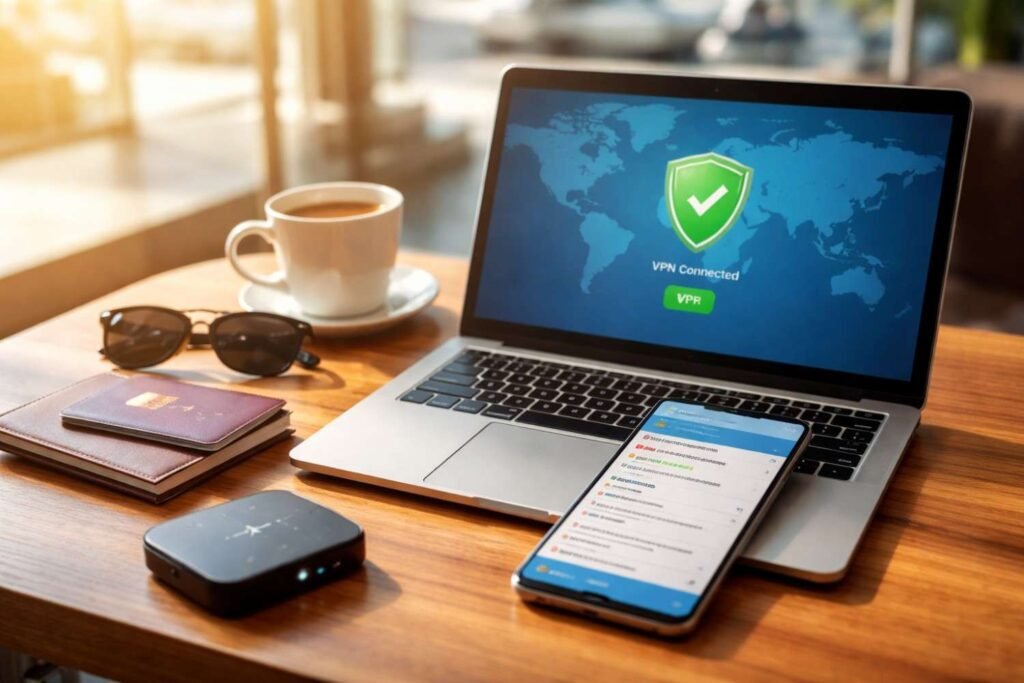
I never connect to random public Wi-Fi without protection. If I need to access sensitive information, I use a VPN (A virtual private network) or mobile data instead.
Phishing scams are also common. I’ve received emails that look exactly like airline confirmations. Instead of clicking links, I always log in directly through the official website.
I also keep digital backups of my passport, ID, and bookings stored securely in the cloud.
What Are the Biggest Red Flags That Signal a Scam?
Over time, I’ve trained myself to spot warning signs quickly.
If someone rushes me to make a decision, I slow down.
If a deal looks unrealistically cheap, I question it.
If payment methods feel unusual, I decline immediately.
Trusting these instincts has helped me avoid travel scams in situations where others might panic.
How to Avoid Travel Scams Step by Step
When I travel, I follow a simple routine that keeps everything under control.
First, I verify every booking through official sources and avoid third-party payment requests. Then I prepare financially by informing my bank and carrying backup cards.
Next, I secure my documents by creating digital copies and saving emergency contacts. Before leaving, I double-check all bookings and travel details.
Once I arrive, I stay aware without being anxious. I observe my surroundings, avoid unnecessary interactions, and trust my instincts.
This system has helped me avoid travel scams consistently while still enjoying every trip.
What Should You Do If You Get Scammed While Traveling?
Even with preparation, things can still happen.
If I notice suspicious activity, I contact my bank immediately. Most U.S. credit cards offer strong fraud protection, which makes recovery easier.
I also report the incident to local authorities and, if needed, contact the nearest U.S. embassy for assistance.
For online scams, I report them through official consumer protection channels. Acting quickly can limit damage and help prevent future scams.
How Do I Travel Confidently Without Fear?
I don’t let fear control how I travel.
Instead, I focus on preparation, awareness, and simple habits. When you understand how travel scams work, you naturally become more confident.
Travel should feel exciting—not stressful. With the right approach, it stays that way.
Frequently Asked Questions About Avoid Travel Scams
1. How can I avoid travel scams when booking trips online?
I always use trusted platforms, verify listings, and avoid payments outside official systems. Credit cards provide extra protection.
2. What is the most common travel scam right now?
Fake vacation rentals and phishing scams are currently the most common, especially during the booking stage.
3. Are travel scams common in the United States?
Yes, especially online scams like fake bookings and fraudulent customer service numbers targeting travelers.
4. What should I do if someone approaches me on the street offering help?
I stay polite but cautious. If the help is unsolicited, I usually decline and move on.
Travel Smart and Stay in Control
Every trip has taught me that awareness is the real advantage. Once you build the right habits, travel becomes smoother, safer, and far more enjoyable.
You don’t need to overthink everything—you just need to stay alert, verify details, and trust yourself.
That’s how I travel today, and it’s made all the difference.