Living in a home filled with devices, chargers, and appliances made me realize how quickly small electrical issues can turn into serious risks. Learning real ways to reduce fire risk electrical helped me shift from ignoring problems to building simple habits that keep everything running safely without constant worry.
Safe Usage And Habits For Ways To Reduce Fire Risk Electrical
Small daily actions often make the biggest difference in preventing electrical fires.
Most electrical fires do not start from major failures but from everyday habits that slowly put stress on your system. Using appliances correctly and being mindful of how electricity flows through your home can significantly reduce risks before they build up.
Creating safer habits is not complicated. It is about being consistent with how you plug in, use, and manage your devices so they do not overheat or overload your system.
Plug Appliances Directly Into Wall Outlets
Large appliances need stable and direct power sources.
Appliances like refrigerators, washers, and microwaves draw a high amount of electricity. Plugging them into extension cords or power strips increases resistance and heat, which can lead to overheating behind walls where problems go unnoticed.
Using a wall outlet ensures a steady flow of electricity. This reduces strain on both the appliance and your home’s wiring system.
Avoid Overloading Outlets And Circuits
Too many devices on one outlet can quickly become dangerous.
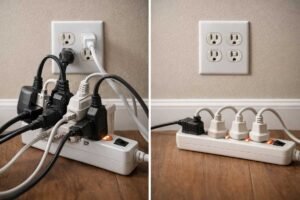
Plugging multiple devices into a single outlet may seem convenient, but it forces the circuit to handle more power than it is designed for. This leads to heat buildup, which is one of the leading causes of electrical fires.
Spreading devices across multiple outlets allows electricity to flow evenly. It also helps prevent sudden outages and reduces long term wear on your wiring.
Charge Devices Safely And Unplug When Not In Use
Charging habits can either protect or damage your home.
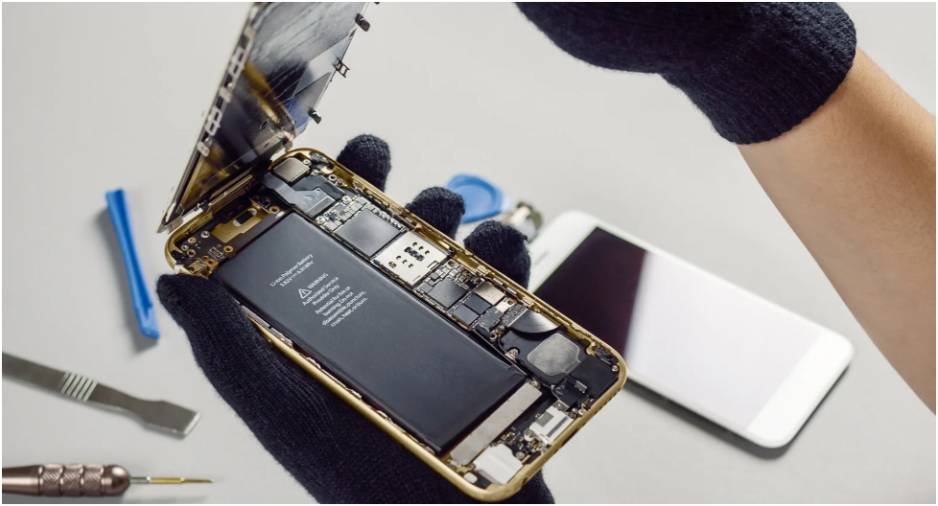
Charging phones and laptops on soft surfaces like beds traps heat and prevents proper airflow. Over time, this heat buildup can damage batteries and increase fire risk.
Unplugging devices when they are fully charged or not in use reduces energy load and prevents overheating. It is a simple habit that protects both your devices and your home.
Maintenance And Inspection Ways
Electrical systems rarely fail without warning. Small signs like loose plugs or worn cords often appear long before a serious issue develops. Paying attention to these early signs can prevent major damage.
Routine maintenance is not about being overly cautious. It is about staying aware of how your system performs and fixing minor issues before they grow.
Inspect Cords And Replace Damage Immediately
Damaged cords are one of the most common fire risks.
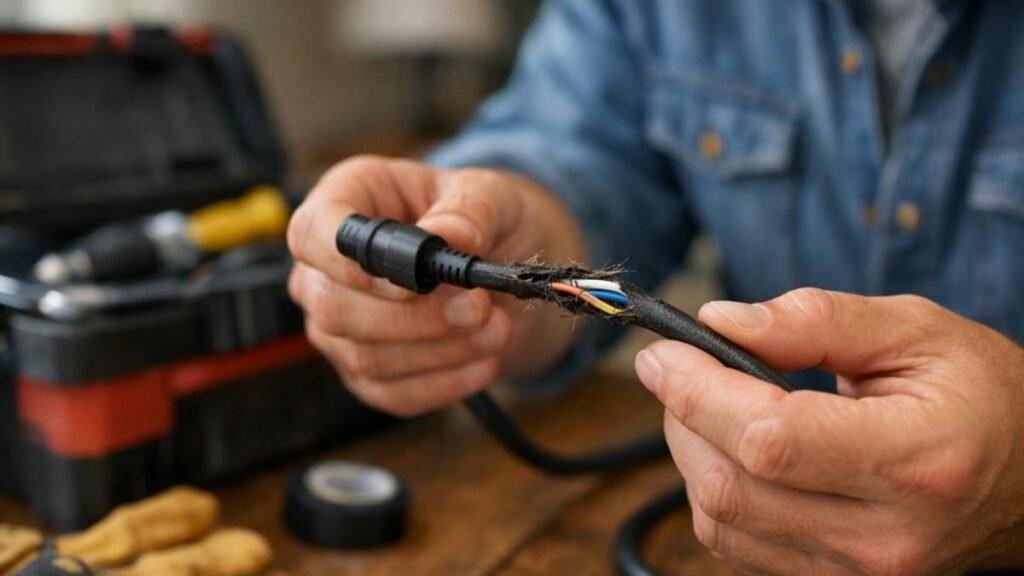
Cracked insulation, frayed wires, or bent plugs expose electrical current. Even minor damage can lead to sparks or electrical leakage, especially in humid environments.
Replacing damaged cords instead of trying temporary fixes ensures safe operation. It removes a major source of hidden danger in your home.
Check For Loose Plugs And Connections
When plugs do not fit snugly into outlets, they can create small electrical arcs. These arcs generate heat and can eventually ignite surrounding materials. Ensuring a tight and secure fit keeps electricity flowing properly. It also reduces unnecessary heat buildup at connection points.
Keep Appliances And Systems Clean And Serviced
Dryers, for example, can accumulate lint that blocks airflow and traps heat. Cleaning filters regularly helps prevent overheating and reduces fire risk.
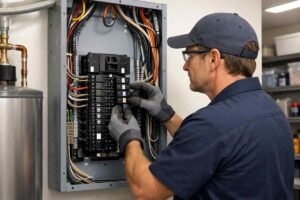
Scheduling professional inspections every few years provides an expert view of your system. Electricians can identify hidden issues that are not visible during daily use.
Electrical System Upgrades
Modern upgrades provide stronger protection against evolving risks.
As homes add more devices, older electrical systems may struggle to keep up. Upgrading key components ensures your system can handle current demands safely.
These upgrades are not just improvements. They are long term safety investments that reduce the chances of electrical fires.
Install AFCI And GFCI Protection
Advanced protection devices detect hidden dangers.
Arc Fault Circuit Interrupters identify dangerous electrical arcs that standard breakers often miss. These arcs are a common cause of fires inside walls.
Ground Fault Circuit Interrupters cut off power when they detect imbalance, especially in areas with moisture. Together, these devices create a safer electrical environment.
Upgrade Lighting And Power Equipment
Switching to LED bulbs lowers heat output compared to traditional lighting. This reduces the risk of overheating fixtures or nearby materials.
Replacing old power strips and surge protectors ensures they function properly. Worn out equipment can fail under pressure and increase fire risk.
Update Outdated Wiring Systems
Homes built years ago were not designed for today’s energy usage. This mismatch can lead to overheating, frequent tripping, and increased risk over time. Upgrading wiring allows your system to handle current loads safely. It also improves overall reliability and performance.
Warning Signs To Watch For
Recognizing early signs can prevent serious damage.
Electrical issues often provide clear warning signals before they become dangerous. Paying attention to these signs allows you to act quickly and avoid larger problems.
Ignoring these indicators can lead to system failure or fire. Taking them seriously is essential for maintaining a safe home.
Hot Outlets And Burning Smells
Heat and odor are clear danger signals. Outlets or switches that feel warm to the touch indicate excessive electrical flow or poor connections. This heat can build up behind walls and create fire hazards. A burning or plastic like smell is another warning sign. It often points to overheating insulation or damaged wiring.
Frequent Tripping And Flickering Lights
Inconsistent power signals underlying problems. Circuit breakers that trip repeatedly are not just annoying. They indicate that your system is overloaded or malfunctioning. Flickering lights may seem minor, but they often signal unstable electrical flow. Addressing these signs early prevents more serious issues.
Visible Damage Or Sparks
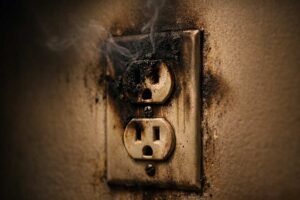
Visual cues should never be ignored. Discolored outlets, scorch marks, or sparks when plugging in devices are strong indicators of electrical faults. These signs require immediate attention. Shutting off power and contacting a professional is the safest response. Delaying action increases the risk of fire.
Ways To Reduce Fire Risk Electrical
Turning awareness into a repeatable routine makes safety sustainable.
- Start by assessing your home environment carefully. Walk through each room and identify overloaded outlets, damaged cords, or appliances that generate excessive heat. This initial check helps you spot risks that often go unnoticed.
- Next, adjust your usage habits. Plug large appliances directly into wall outlets, distribute smaller devices across circuits, and ensure proper airflow when charging electronics. These changes reduce strain and prevent overheating.
- Then, commit to ongoing maintenance. Replace worn components, clean appliances regularly, and schedule inspections when needed. Finally, reinforce these actions with consistent habits like unplugging unused devices and avoiding temporary fixes. Over time, these steps become second nature and significantly reduce fire risk.
Frequently Asked Questions
1. What Are The Most Common Causes Of Electrical Fires?
Overloaded circuits, damaged wiring, and improper appliance use are the most common causes. These factors create heat buildup that can eventually lead to ignition.
2. How Often Should Electrical Systems Be Checked?
Most homes should be inspected every three to five years. Older homes or heavy usage may require more frequent checks.
3. Are Extension Cords Safe For Long Term Use?
Extension cords are meant for temporary use only. Long term use increases the risk of overheating and electrical failure.
4. Do Small Devices Increase Fire Risk?
Yes, even small devices can overheat if damaged or used improperly. Safe usage and regular checks are essential.
Stay Safe of Electrical Fires
Building safer routines has completely changed how I manage electricity at home. The most effective ways to reduce fire risk electrical come from combining smart habits, regular maintenance, and modern upgrades. Taking small, consistent steps today can prevent major problems in the future and create a home environment that feels safe, reliable, and stress free.