
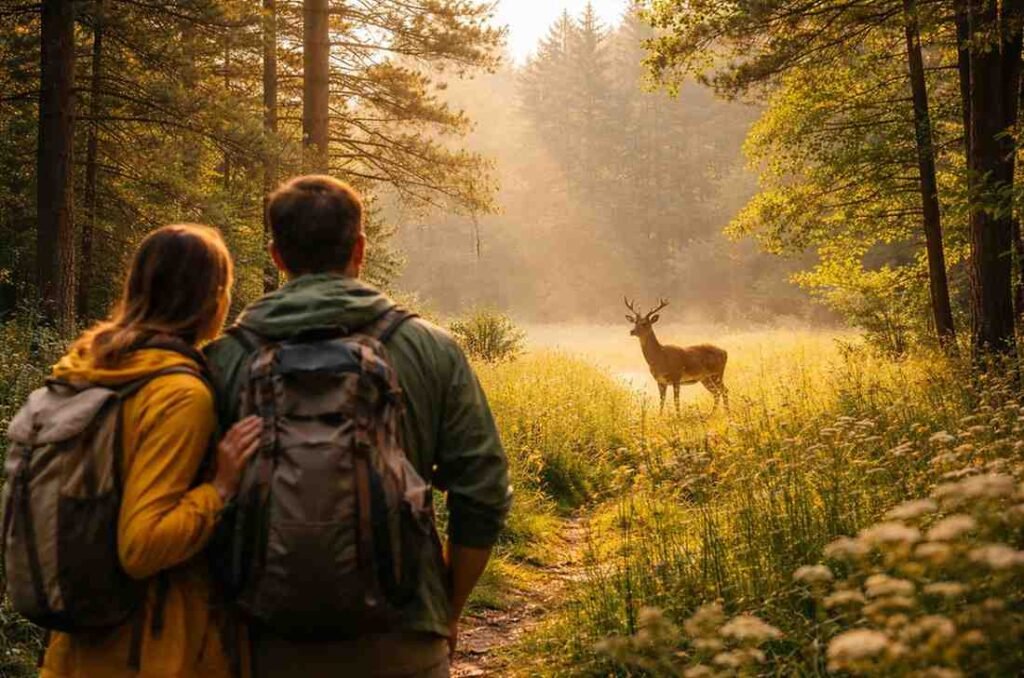
A few years ago, wellness felt like something reserved for vacations or expensive retreats. People waited for long weekends, spa bookings, or burnout warnings before thinking about slowing down. Now, the shift feels noticeably different. Many individuals aren’t waiting for exhaustion anymore; they’re quietly building small rituals into daily life, often starting with something as simple as stepping outside for a few minutes of fresh air.
The change didn’t happen overnight. Constant notifications, screen-heavy workdays, and mental overload pushed people to look for recovery that actually fits into real schedules. Nature-based wellness activities began filling that gap because they don’t demand perfection, equipment, or dramatic lifestyle changes. They offer something simpler: a reliable way to reset the mind and body without adding another task to an already full day.
The Shift From Occasional Wellness to Daily Practice

Wellness used to be reactive. People addressed stress only after it became overwhelming. Recently, self-care has started moving toward prevention, small, repeatable habits that stabilize mental and physical health before problems escalate.
Nature plays a unique role here because it requires less effort than most wellness routines. Unlike structured workouts or strict mindfulness programs, spending time outdoors creates what psychologists call soft fascination. Natural environments gently hold attention through sounds, movement, and textures without demanding focus. This allows the brain’s directed attention system to rest, helping mental fatigue recover naturally.
Research-backed conversations around wellness have also changed how people perceive outdoor time. Exposure to natural environments has been linked to measurable reductions in cortisol levels, improved mood regulation, and better emotional balance after relatively short periods outdoors.
Digital Fatigue Is Driving the Change

Modern routines rarely give the brain a true pause. Even downtime often involves scrolling, streaming, or multitasking across devices. Over time, constant stimulation creates cognitive exhaustion rather than relaxation.
Nature-based wellness activities work differently because they remove performance pressure. There are no metrics, streaks, or productivity goals attached. Walking through a park, sitting under trees, or watching water flow introduces sensory experiences that calm rather than stimulate.
People increasingly notice that outdoor moments restore attention faster than digital breaks. Instead of consuming more information, the brain shifts into recovery mode. This explains why short outdoor breaks are becoming integrated into lunch hours, morning routines, and evening wind-down habits.
Science Is Catching Up With What People Already Feel

For decades, wellness trends relied heavily on anecdotal benefits. Today, scientific frameworks are helping explain why nature exposure feels restorative.
The Biophilia Hypothesis suggests humans possess an innate biological tendency to connect with natural environments. Rather than being a luxury preference, interaction with nature may be a basic psychological need shaped by evolution.
Studies examining outdoor exposure show consistent outcomes across several areas:
- Reduced anxiety and rumination
- Improved concentration and short-term memory
- Lower blood pressure and heart strain
- Enhanced emotional resilience and mood stability
Healthcare providers have even begun exploring “nature prescriptions,” where structured outdoor time supports treatment plans for stress-related conditions and lifestyle-driven health challenges. The growing acceptance of these sustainable lifestyle approaches reflects a broader understanding that everyday environments influence long-term well-being.
Everyday Nature-Based Wellness Activities People Are Actually Doing

One reason these practices are becoming mainstream is their flexibility. They adapt to real schedules rather than requiring lifestyle overhauls.
Common examples now integrated into daily routines include:
- Forest bathing (Shinrin-yoku): Slow, mindful immersion in wooded spaces focused on sensory awareness rather than exercise.
- Nature breaks: Short outdoor pauses during work hours to reset focus and reduce mental fatigue.
- Gardening or plant care: Hands-on interaction with living environments that encourages grounding and presence.
- Morning light exposure: Spending early daylight hours outside to support circadian rhythm regulation and sleep quality.
- Biophilic environments: Bringing natural elements indoors through plants, sunlight, and organic materials.
These practices succeed because they feel achievable. A ten-minute walk or sitting outside with coffee becomes enough to create a noticeable mental shift.
Why Accessibility Makes Nature-Based Self-Care Sustainable
Many wellness trends fail because they require money, time, or specialized knowledge. Nature-based wellness activities remove those barriers. Public green spaces, neighborhood trails, and even small outdoor areas provide opportunities for consistent engagement without financial commitment.
Accessibility also changes motivation. When wellness feels easy to repeat, it becomes a habit rather than an obligation. People are more likely to maintain routines that blend naturally into daily life instead of competing with responsibilities.
This low-friction entry point explains why outdoor wellness practices continue gaining momentum among busy professionals, students, and remote workers alike.
The Rise of Micro-Habits and Ritual-Based Living
Another reason nature is becoming central to self-care is the growing focus on micro-habits. Instead of dramatic lifestyle resets, individuals are building small rituals that stabilize mood and energy throughout the day.
Examples include stepping outside before checking messages, walking without headphones, or ending the day with a short outdoor reflection period. These rituals anchor routines emotionally, creating predictable moments of calm.
Over time, repeated exposure strengthens associations between nature and recovery. The brain begins recognizing outdoor environments as safe spaces for restoration, making stress recovery faster and more automatic.
Mental, Physical, and Social Benefits Working Together

Nature’s impact rarely stays limited to one area of health. Instead, benefits overlap in ways that reinforce overall well-being.
Mentally, outdoor exposure reduces overstimulation and supports emotional regulation. Cognitively, people often report clearer thinking and improved problem-solving after spending time outside. Physically, light movement combined with fresh air supports cardiovascular health and natural energy rhythms.
Interestingly, social effects also appear. Shared outdoor experiences often increase feelings of connection and empathy, helping individuals feel less isolated even during brief interactions.
This layered impact makes nature-based wellness activities uniquely effective compared to single-focus wellness solutions.
FAQs: Why Nature-Based Wellness Activities Are Becoming Part of Everyday Self-Care
1. What are nature-based wellness activities?
Nature-based wellness activities are self-care practices that involve intentional interaction with natural environments, such as walking outdoors, forest bathing, gardening, or spending mindful time in green spaces.
2. How often should someone practice nature-based wellness activities?
Even short sessions around 20 minutes a few times per week can support stress reduction and mental recovery when practiced consistently.
3. Do nature-based wellness activities really help mental health?
Research links time spent in natural environments with reduced stress hormones, improved mood, better focus, and lower anxiety levels.
4. Can nature-based wellness activities work for busy schedules?
Yes. Micro-habits like short outdoor breaks, morning sunlight exposure, or brief walks make these practices easy to integrate into daily routines.
Final Thoughts
The growing popularity of nature-based wellness activities reflects a deeper cultural realization: well-being doesn’t always require adding more; it often comes from removing noise. As daily life becomes increasingly fast-paced and digitally saturated, people are rediscovering something intuitive yet powerful. Nature offers recovery without instruction, presence without pressure, and balance without complexity. What once felt like an occasional escape is quietly becoming a daily necessity.
The future of self-care may not be about doing more at all. It may simply be about stepping outside more often.