I still remember the first time my smartwatch buzzed during a late-night walk and asked if I was okay. I had not fallen, but that moment made me curious about smart wearable tech safety features and how they quietly protect us. Since then, I have started relying on these tools more than I expected, especially when I am alone or traveling.
Safety Features Are Changing Personal Safety
Smart wearable technology has evolved into a critical personal safety tool, offering features that range from emergency response to proactive hazard detection. Today’s devices combine accelerometers, gyroscopes, and GPS to monitor both your body and your surroundings in real time.
From my experience, this shift makes wearables feel less like gadgets and more like personal safety companions. They do not just track steps anymore. They actively help prevent risks, detect problems early, and connect you to help when needed.
Must-Have Smart Wearable Safety Features
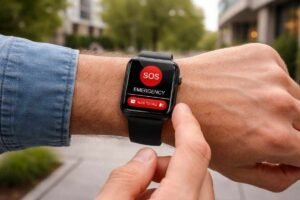
Fall detection uses advanced sensors to detect impact
Fall detection is one of the most practical features I have used. It relies on accelerometers and gyroscopes to identify sudden movements and impacts that match a hard fall pattern. If you do not respond after a fall, the device can alert emergency contacts or services automatically.
What makes this feature powerful is its passive nature. You do not need to activate it in the moment. It simply works in the background, which makes it ideal for seniors, fitness users, or anyone spending time alone.
Emergency SOS provides instant access to help
Emergency SOS allows you to quickly call for help with a button press or a specific gesture. It instantly connects you to emergency services and shares your real-time location with selected contacts.
I personally like how simple it is to use. In stressful situations, you do not want to navigate menus. This feature removes friction and gives you direct access to help when seconds matter.
Satellite SOS ensures connectivity beyond network limits
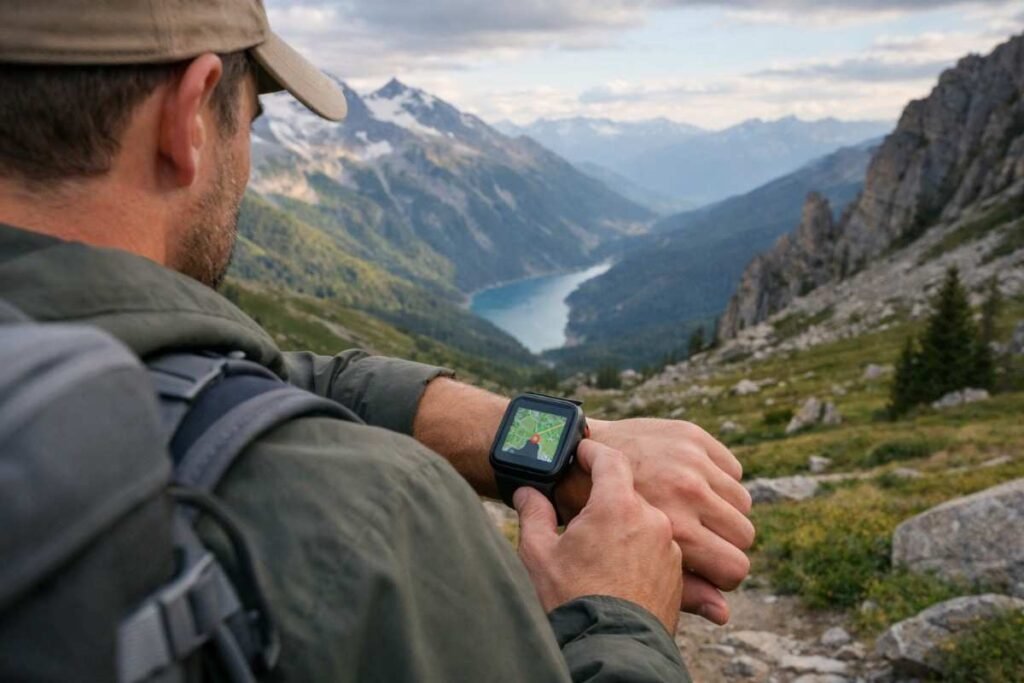
Some modern devices now offer satellite SOS, which allows communication even without cellular or Wi-Fi coverage. This is especially useful during hiking, remote travel, or outdoor adventures.
This feature adds an extra layer of security that many people overlook. If you spend time in low-signal areas, it can be a lifesaver when traditional networks fail.
Medical information sharing supports first responders
Wearables can store and display critical medical information such as allergies, medications, and blood type. First responders can access this data directly from the device without unlocking it.
This is something I set up recently, and it gives me peace of mind. In an emergency where you cannot communicate, your device speaks for you.
Live location tracking improves real-time safety
Live location tracking allows trusted contacts to monitor your movement in real time. Many devices also include geofencing, which alerts others if you leave a defined safe area.
I have used this feature during late-night commutes, and it genuinely makes me feel safer. It adds a layer of accountability and awareness that is hard to replace.
Beyond Safety: Health and Workplace Protection

Vital sign monitoring helps detect early health risks
Wearables now track heart rate, blood oxygen levels, and skin temperature continuously. These metrics can help detect early signs of fatigue, heat stress, or irregular heart rhythms.
I have noticed how useful this is during workouts and long workdays. Instead of guessing how I feel, I get actual data that helps me make better decisions about rest and activity.
Fatigue and drowsiness alerts prevent dangerous situations
Some devices use AI to analyze your physiological data and detect signs of fatigue. They can warn you when your alertness drops to unsafe levels, especially during driving or physically demanding tasks.
This feature is becoming more common in both consumer and industrial wearables. It focuses on prevention rather than reaction, which is a major advantage.
Environmental hazard detection improves workplace safety
Specialized wearables can detect environmental risks such as toxic gases, extreme temperatures, or radiation. These alerts help workers avoid dangerous exposure before it becomes harmful.
Even though this is more common in industrial settings, it shows how wearable safety technology continues to expand beyond personal use.
Proximity warnings reduce risk around heavy equipment
Wearable sensors can alert users when they are too close to moving machinery or restricted areas. This is particularly useful in construction or factory environments.
These alerts act as an extra set of eyes, helping prevent accidents that might otherwise go unnoticed in busy workspaces.
Ergonomic feedback prevents long-term injuries
Some devices provide real-time feedback on posture and movement. They use vibration alerts to guide proper lifting techniques and reduce strain on muscles and joints.
I find this especially relevant for people who sit or lift frequently. Small corrections over time can prevent serious injuries.
The Real Limitations You Should Know
While these features are impressive, they are not perfect. GPS accuracy can vary depending on location, and fall detection may occasionally trigger false alerts during intense movement.
Battery life is another factor. Safety features like GPS tracking and continuous monitoring can drain power quickly, so regular charging becomes essential.
Privacy is also worth considering. Your data, including location and health information, is stored digitally. Choosing reliable brands and managing permissions carefully is important.
How to Use Smart Wearable Safety Features
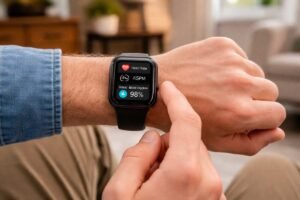
To get the most out of smart wearable tech safety features, start by enabling all relevant settings on your device. Many features are not activated by default, so you need to go into the settings and turn them on manually.
Next, add emergency contacts and update your medical information. Make sure the people you choose can respond quickly and understand how the alerts work.
After that, test the features. Try the SOS function, check location sharing, and understand how alerts trigger. This step builds confidence so you know exactly what to expect in real situations.
Finally, keep your device charged and updated. Regular software updates improve accuracy and performance, while a charged battery ensures your safety features are always active.
The Future of Wearable Safety Tech
Wearable technology continues to evolve with smarter algorithms and better integration. Devices are starting to detect patterns in behavior and predict potential risks before they happen.
This shift from reactive to proactive safety is what excites me most. It means your wearable is not just responding to emergencies but actively helping you avoid them.
As these features improve, they will become even more essential in daily life. What once felt like optional tech is quickly becoming a basic safety tool.
Frequently Asked Questions
1. Do smart wearable tech safety features work without a phone?
Some features like fall detection work independently, but GPS and calling usually require a connected or cellular-enabled device.
2. Are smart wearable tech safety features reliable?
They are generally reliable but not perfect. False alerts can happen, especially during high activity or unusual movements.
3. Which smart wearable tech safety features matter most?
SOS and fall detection are the most critical because they provide immediate access to help during emergencies.
4. Do these features affect battery life?
Yes, continuous tracking and GPS can drain battery faster, so regular charging is necessary.
Final Thoughts on Smart Wearable Safety Features
After using them consistently, I see smart wearable tech safety features as a quiet layer of protection in everyday life. They do not replace awareness, but they strengthen it. My advice is simple. Set them up properly, test them, and trust them when it matters. That small effort can make a big difference when you least expect it.