I still remember the first time a circuit tripped in my house during a storm. I thought it was just bad luck until I started learning about electrical safety devices for homes and realized my setup was outdated. That moment pushed me to upgrade everything. If you have never checked your home’s electrical protection, you might be relying on basic systems that miss serious risks.
Once I understood how modern devices work, I stopped guessing and started making smarter choices. These devices are not just technical upgrades. They are daily protection tools that quietly keep your home safe from shocks and fires.
Electrical Safety Devices For Homes Prevent Shocks And Fires
Modern electrical safety devices focus on two major risks. One is electric shock, and the other is electrical fire. Traditional circuit breakers only handle overloads, which means they miss many subtle dangers that develop over time.
This is why newer systems include devices that detect issues early. They react faster than standard breakers and shut off power before a problem becomes serious. This extra layer of protection is what makes modern setups far more reliable.
I realized that relying only on old breakers is like locking your door but leaving the windows open. You need multiple layers working together to stay protected.
Core Electrical Safety Devices For Homes You Should Install
AFCIs reduce hidden fire risks
Arc-Fault Circuit Interrupters detect tiny sparks inside wiring that could start fires. These sparks often happen behind walls where you cannot see them. I added AFCIs in my living room and bedrooms, and it made a big difference. These areas use a lot of electrical devices, and wiring issues can go unnoticed for years.
Most US homes now require AFCIs in living spaces, which shows how important they are for fire prevention.
GFCIs protect against electric shocks
Ground-Fault Circuit Interrupters are designed for wet areas like kitchens and bathrooms. They shut off power instantly when they detect current leakage.
I installed them near my sink and outdoor outlets, and I feel much safer using appliances around water. These devices react in seconds, which can prevent serious injuries or even save lives.
Dual-function breakers offer combined protection
Dual-function breakers combine AFCI and GFCI protection in one unit. This means you get fire and shock protection from a single device.
When I upgraded my panel, I chose these because they simplify protection. Instead of installing separate devices, you cover both risks at once. This is one of the most efficient ways to modernize your electrical system.
Electrical Safety Devices For Homes Also Protect Electronics
Surge protective devices prevent damage
Surge Protective Devices protect your appliances from voltage spikes caused by lightning or power grid crisis.
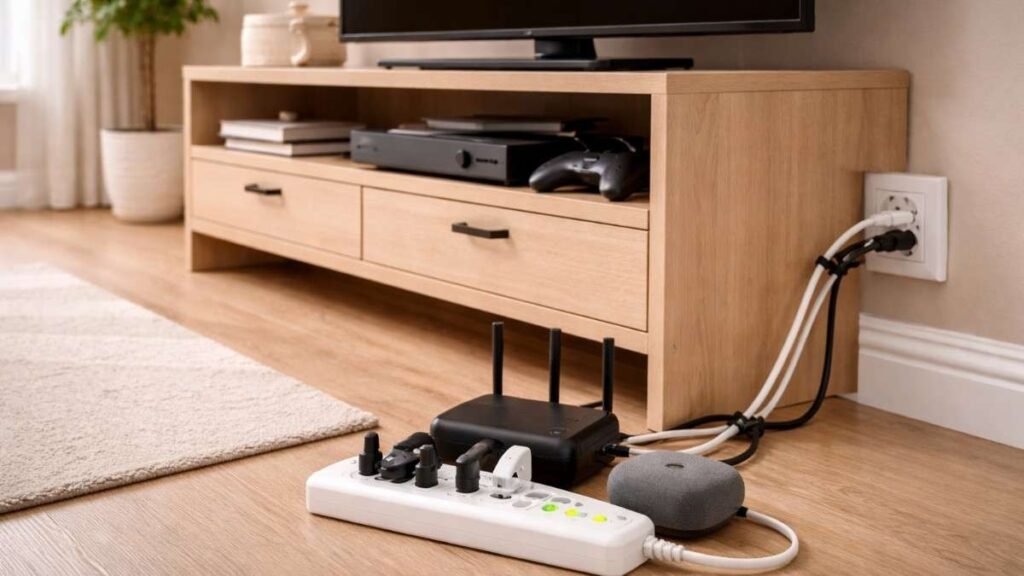
I learned this the hard way after losing a television during a storm. Since installing surge protection, I have not had a single issue. Whole-home surge protectors guard everything, while plug-in units protect specific devices. Using both gives the best results.
Tamper-resistant outlets improve child safety
Tamper-Resistant Receptacles are essential if you have children at home. They prevent objects from being inserted into outlets. I switched to these in my house, and they look just like regular outlets but offer extra safety. They are simple, affordable, and now widely recommended for modern homes.
Essential Safety Alarms Complete Your Protection
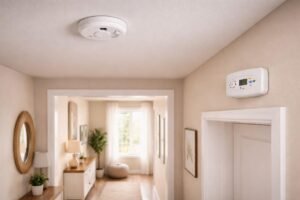
Smoke alarms detect electrical fires early
Smoke alarms act as your first warning system. They alert you before a fire spreads, especially those caused by faulty wiring.
I make it a habit to test mine every month. It takes less than a minute but adds serious peace of mind. Without smoke alarms, even the best electrical devices cannot protect you fully.
Carbon monoxide detectors ensure air safety
Carbon monoxide detectors are just as important. They detect a gas that you cannot see or smell. I placed them near bedrooms and living areas. This ensures early alerts if something goes wrong. These alarms work alongside basic electrical safety devices to protect your overall home environment.
Electrical Safety Devices For Homes Should Match Your Layout
Every home is different, and your setup should reflect that. Older homes often need more upgrades because they lack modern protection systems.
I walked through each room in my house and identified risk areas. Kitchens, bathrooms, and outdoor spaces needed GFCIs, while living areas required AFCIs. This approach helped me avoid unnecessary installations and focus on real safety needs.
Installing Electrical Safety Devices For Homes
When I started upgrading my home, I followed a simple step-by-step process that made everything manageable.

First, I identified high-risk areas like kitchens, bathrooms, and outdoor spaces. These locations benefit most from GFCIs because of water exposure.
Next, I focused on living areas and bedrooms. I installed AFCIs to prevent hidden wiring issues that could lead to fires. This step added protection where I spend most of my time.
After that, I added surge protection. I started with plug-in protectors and later upgraded to a whole-home system. Finally, I included tamper-resistant outlets and safety alarms to complete the setup.
This process helped me build a complete safety system without feeling overwhelmed.
Electrical Safety Devices for Daily Peace Of Mind
Once everything was installed, I noticed a big change. I stopped worrying about small electrical issues and felt more confident using my appliances.
Many top blogs focus on technical details, but the real benefit is peace of mind. You know your home is protected even when you are not thinking about it. This is what makes these devices worth every dollar.
Frequently Asked Questions
1. Do I need all electrical safety devices for homes?
Yes, each device serves a different purpose. Together they provide complete protection against shocks, fires, and power surges.
2. Are GFCIs and AFCIs both necessary?
Yes, GFCIs prevent shocks while AFCIs prevent fires. You need both for full safety coverage.
3. Can I install these devices myself?
You can install basic devices like surge protectors. For outlets and breakers, hiring a licensed electrician is safer.
4. How often should I check these devices?
Test GFCIs monthly and check alarms regularly. Replace or upgrade devices if they stop working properly.
Final thoughts on electrical safety devices for homes
If there is one upgrade I always recommend, it is investing in electrical safety devices for homes. They protect your family, your appliances, and your peace of mind. Start with the basics and build from there. Even small changes can make a big difference in how safe your home feels every single day.