I still laugh about the time my TV shut off mid-game and my WiFi died right after. That chaos pushed me to figure out how to fix power surge issues the right way instead of guessing. What I learned saved my electronics and my sanity, and now I want to walk you through it.
Power Surge Issues Often Start Quietly Before Major Damage
Most people think power surges only happen during storms, but that is not what I experienced. In reality, they often start inside your home with everyday appliances.
Your refrigerator, air conditioner, or even a washing machine can create small voltage spikes when they cycle on and off. These repeated surges slowly weaken your electronics. At first, you might notice small things like flickering lights or devices restarting randomly. If you ignore these signs, the problem builds until something fails completely.
Clear Warning Signs You Should Never Ignore
When I started paying attention, I realized my home was giving me plenty of warnings. I just did not recognize them at the time.
Warm outlets, frequently tripped breakers, or a faint burning smell are strong indicators of electrical instability. I also noticed my chargers heating up unusually fast before devices began failing. If multiple appliances stop working around the same time, it is rarely a coincidence. That usually points to a surge issue affecting your entire system.
Internal And External Causes Behind Recurring Surges
Understanding the cause is the first step in learning how to fix power surge issues effectively. Without this, you are only treating symptoms.
Internal causes are the most common. Faulty wiring, overloaded circuits, and poor grounding create repeated voltage fluctuations inside your home.
External causes include lightning strikes, power grid switching, or sudden restoration after outages. These events send large voltage spikes through your system, sometimes in seconds.
How To Fix Power Surge Issues Step by Step
When I finally understood how to fix power surge issues, I followed a simple and structured approach that made everything manageable.
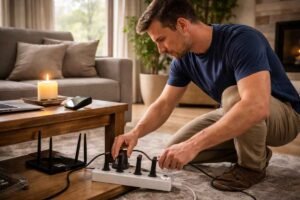
- First, I unplugged all sensitive electronics immediately. This step protects devices from additional damage if another surge occurs.
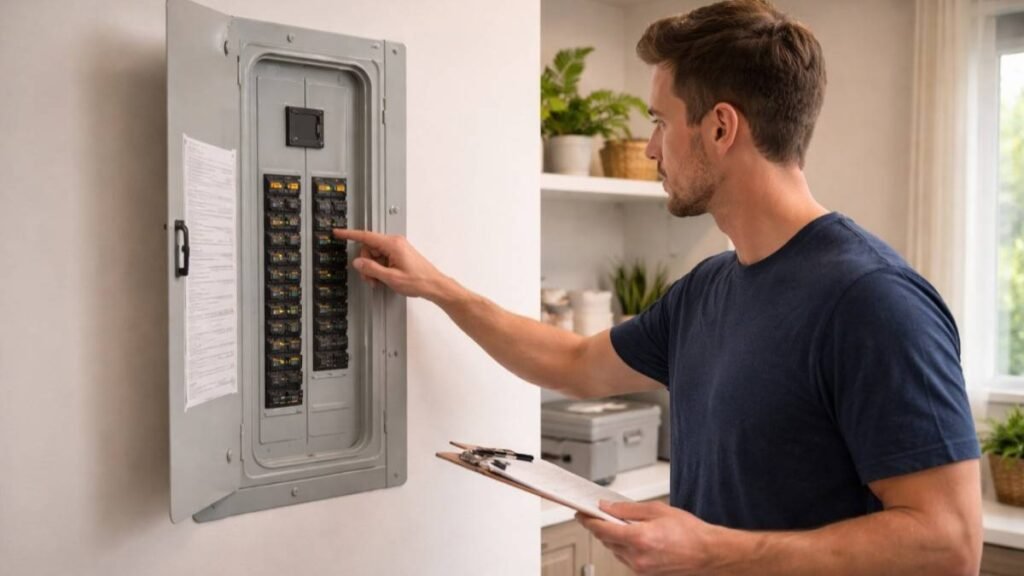
- Next, I checked my circuit breaker panel. If any breakers were tripped, I reset them once carefully. If the breaker tripped again, I stopped and treated it as a deeper electrical issue.
- Then, I inspected outlets and switches for visible damage. Burn marks, melted plastic, or unusual smells are clear signs you should avoid using that outlet.
- After that, I powered devices back on one by one. This helped me identify if a specific appliance was damaged or causing the issue.
- Finally, I checked high-power systems like my air conditioner. If it did not restart properly, I knew it required professional inspection instead of at home DIY fixes.
Immediate Steps After A Surge Help Limit Damage
Taking quick action right after a surge can make a huge difference. I learned that acting fast often prevents long-term damage.
Unplugging electronics right away protects them from repeated voltage spikes. This is especially important for computers, TVs, and gaming systems. Resetting your breakers safely restores power flow. Always turn the breaker fully off before switching it back on to avoid partial resets.
Checking for visible damage is crucial. If you notice burn marks or smell something unusual, do not use that outlet again until it is inspected. Testing devices one by one ensures you do not overload the system again. This simple step helped me avoid repeating the same mistake.
Long Term Fixes Stop Recurring Power Surge Issues
Once I handled the immediate problem, I focused on long-term solutions. This is where real stability comes from.
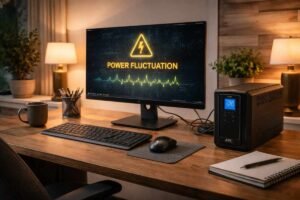
Installing a whole-house surge protector was the biggest upgrade I made. It blocks large external surges before they enter your home’s wiring. I also started using high-quality surge protector strips for sensitive devices. Cheap ones do not offer reliable protection and can fail silently.
Upgrading old wiring is another major fix. Older homes often cannot handle modern electrical loads, which leads to frequent surges. Avoiding overloaded circuits became part of my daily habit. I stopped plugging multiple high-power devices into a single outlet.
Proper grounding is essential. Without it, surge protectors cannot redirect excess voltage safely. A professional inspection can confirm this. For critical devices like computers, I added a UPS system. It provides backup power and stabilizes voltage during fluctuations.
Smart Prevention Habits Make A Big Difference
After going through all this, I realized prevention is easier than constant repair. I now unplug devices during storms and avoid using multiple extension boards together. These small habits significantly reduce risk.
Regular electrical inspections also help identify hidden issues early. It is a simple step that can prevent expensive damage later.Keeping your electrical load balanced across circuits ensures your system runs smoothly without unnecessary stress.
When Professional Help Is The Smartest Move
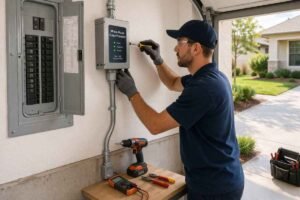
There are moments when DIY is not the right approach, and recognizing that can save you from serious problems. If breakers trip repeatedly or outlets show signs of burning, it is time to call a licensed electrician. These are not minor issues. Professionals can test grounding, inspect wiring, and identify hidden faults that are impossible to diagnose without proper tools.
In my case, calling an electrician once saved me from replacing multiple appliances later. It is always better to be safe than sorry.
Frequently Asked Questions
1. How to fix power surge issues at home safely?
Start by unplugging devices, resetting breakers once, and checking outlets. If problems continue, reduce load and install surge protection or call an electrician.
2. What causes repeated power surges in a house?
Most surges come from internal sources like overloaded circuits, faulty wiring, or large appliances cycling on and off frequently.
3. Do surge protectors completely fix the problem?
They help prevent damage but do not fix underlying wiring or grounding issues. You need both protection and proper electrical setup.
4. Is it dangerous to ignore small power surges?
Yes, repeated small surges damage electronics over time and can lead to bigger electrical failures if left unresolved.
Fix Power Surge Issues Smartly
Learning how to fix power surge issues completely changed how I manage my home. It is not just about quick fixes but building a safer system overall. If something feels off, act early. My best advice is simple. Fix the root cause, protect your devices, and stay one step ahead of the next surge.