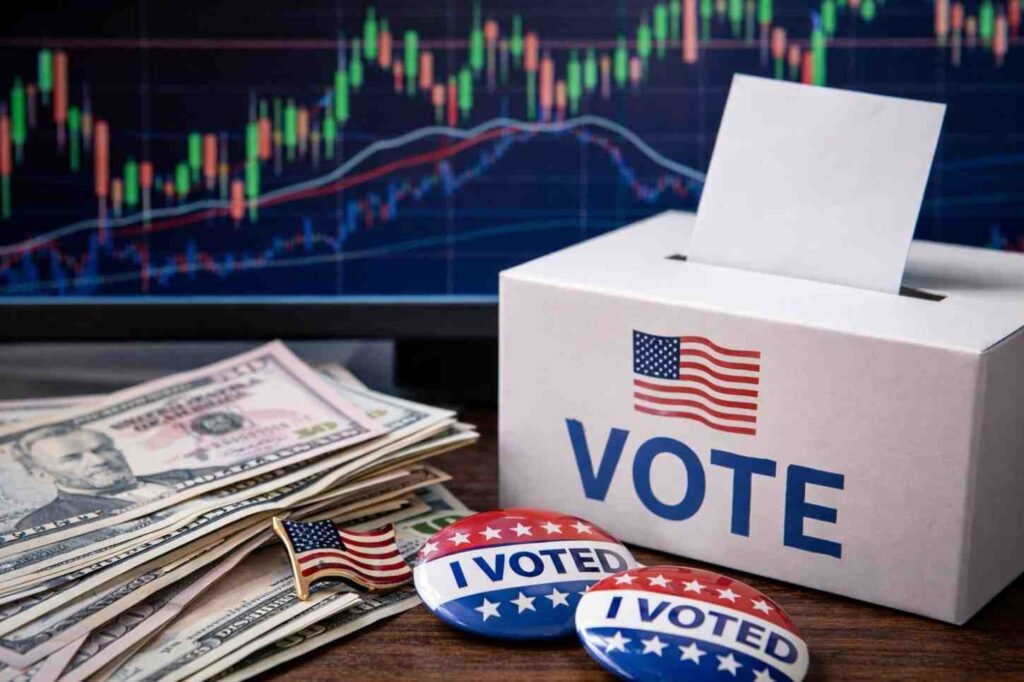
Election seasons always seem to bring a different kind of energy to the economy. Businesses pause major decisions, financial markets become more sensitive to headlines, and consumers start paying closer attention to policy promises. It’s not always obvious at first, but elections introduce a level of uncertainty that ripples through the entire economic system.
Over time, it becomes clear that the impact of elections goes beyond political debates. Markets react, companies rethink investment plans, and government policy expectations begin shaping economic behavior even before any official decisions are made. The interesting part is that while these short-term shifts can be noticeable, the long-term economy usually follows deeper structural trends rather than the election outcome alone.
Why Economic Uncertainty Increases During Elections
Elections introduce one powerful economic factor: uncertainty. When businesses and investors are unsure about future policies, they often pause or adjust their plans until the direction of leadership becomes clearer.
This uncertainty usually revolves around several key questions. Will tax policies change? Will new regulations affect certain industries? Will government spending increase or decrease?
When those answers are unknown, the economy often enters a temporary wait-and-see phase. Companies may delay hiring, expansion, or major capital investments until they understand how policy priorities might shift.
This hesitation alone can influence economic activity in subtle but measurable ways.
How Financial Markets React to Election Cycles
Financial markets tend to react quickly to political uncertainty. Investors constantly adjust expectations based on potential policy changes, which can create noticeable volatility during election periods.
Markets generally respond in a few predictable ways:
- Increased volatility: Investors react to polls, debates, and policy proposals.
- Sector rotation: Certain industries gain attention depending on expected policy priorities.
- Short-term speculation: Traders attempt to anticipate policy outcomes and market reactions.
For example, industries tied closely to regulation, infrastructure spending, or energy policy often see larger swings during election periods. Investors attempt to position themselves ahead of potential policy shifts, even before those policies exist.
These movements can look dramatic in the short term, but markets usually stabilize once election outcomes are finalized and policy direction becomes clearer.
Why Businesses Often Delay Investment Decisions
One of the less visible economic effects of elections occurs inside boardrooms. Businesses rely heavily on predictable policy environments when making long-term investment decisions.
When elections approach, uncertainty about future tax structures, regulations, and trade policy can cause companies to delay major decisions, such as:
- Opening new facilities
- Expanding operations
- Hiring large numbers of employees
- Launching major infrastructure projects
These delays don’t necessarily mean economic decline. Instead, companies are simply waiting for clarity before committing resources. Once election outcomes are settled and policy direction becomes clearer, many of these postponed investments resume.
In other words, elections can temporarily slow business momentum, even when long-term economic prospects remain stable.
Government Spending and Election-Year Economic Activity
Government spending often becomes more visible during election cycles. Infrastructure announcements, policy proposals, and public investment initiatives tend to receive more attention during these periods.
In some cases, governments increase spending or accelerate projects in an effort to demonstrate economic progress and public investment. This can create short-term economic boosts in areas such as construction, infrastructure development, and public services.
However, increased spending can also contribute to rising government debt if fiscal discipline weakens during politically competitive periods. Over time, the long-term impact of that spending depends on whether investments improve productivity or simply increase financial obligations.
This balance between short-term stimulus and long-term fiscal responsibility plays an important role in how election cycles affect economic stability.
How Consumer Confidence Changes Around Elections
Economic activity isn’t driven only by policy and markets. Consumer behavior also plays a major role, and elections can influence how confident people feel about the future.
When voters are uncertain about economic policy, consumers sometimes become more cautious with spending. Large purchases, such as homes or vehicles, may be delayed until the political and economic outlook becomes clearer.
Confidence levels often shift based on expectations about future economic conditions. If people believe new leadership will strengthen economic growth, spending may increase. If uncertainty remains high, households may prioritize saving instead.
This psychological element of the economy is often overlooked, but lifestyle habits of consumer sentiment can significantly influence retail activity, housing markets, and overall economic momentum.
Short-Term Economic Effects Elections Can Trigger
While elections rarely change the economic system overnight, they can trigger several short-term economic reactions.
Some of the most common include:
- Market volatility as investors react to uncertainty
- Delayed corporate investment decisions
- Sector-specific gains or losses based on expected policy priorities
- Temporary shifts in consumer spending patterns
These effects are usually temporary. Once election outcomes become clear and policy direction stabilizes, economic activity often returns to its normal trajectory.
Why Long-Term Economic Growth Usually Follows Fundamentals
Despite the attention elections receive, long-term economic performance is typically driven by broader fundamentals.
These include:
- Productivity growth
- Technological innovation
- Labor force expansion
- Global trade conditions
- Long-term fiscal policy
While leadership decisions can influence policy direction, structural economic forces tend to shape growth over many years. This explains why the overall economy often continues its broader trend regardless of short-term political transitions.
Understanding this distinction helps explain why markets may react strongly during elections but gradually stabilize afterward.
FAQs: How Elections Impact the Economy More Than Most People Realize
1. Why do markets become volatile during elections?
Markets react to uncertainty about future economic policies. Investors adjust portfolios based on expectations regarding taxes, regulation, and government spending.
2. Do elections always affect economic growth?
Not necessarily. Elections can influence short-term economic behavior, but long-term growth is usually determined by structural economic factors such as productivity and innovation.
3. Why do businesses delay investments during election periods?
Businesses prefer stable policy environments when making long-term investments. Elections create uncertainty about future regulations and taxation, causing companies to wait before committing resources.
4. Can elections influence inflation?
Election-related policy proposals or increased government spending can sometimes create short-term inflationary pressures, but broader economic conditions typically play a larger role.
Final Thoughts
The relationship between elections and the economy is more complex than it initially appears. Elections introduce uncertainty, which can influence markets, business decisions, and consumer confidence in noticeable ways. Short-term volatility, delayed investments, and sector-specific market reactions are all common during political transitions.
At the same time, long-term economic growth rarely depends on election results alone. Structural economic forces such as productivity, innovation, and global economic conditions ultimately shape the direction of the economy far more than any single election cycle.